

The Best Stay At Home Jobs For Single Dads: Real Work That Actually Fits Your Life
Searching for the best stay at home jobs for single dads puts you in strange territory that most career advice completely ignores. The remote work conversation typically centres on mothers, whilst assuming fathers either have partners handling childcare or work traditional jobs regardless of custody arrangements. Single fathers managing full-time parenting get almost no acknowledgement in the work-from-home space despite facing identical challenges to single mothers: unpredictable schedules dictated by children’s needs, school runs that don’t respect meeting times and the fundamental impossibility of being in an office fifty hours weekly when you’re the only parent handling everything.
The assumption seems to be that fathers won’t prioritise flexibility or that admitting you need schedule accommodation somehow undermines your professional credibility. This leaves single dads sorting through advice designed for situations that don’t match yours, filtering out the unrealistic options and trying to identify opportunities that acknowledge you’re building a career around being a present parent rather than squeezing parenting around career demands. What you need is straightforward: legitimate work paying enough to support your family, genuine flexibility so you can handle the realities of solo parenting and growth potential so you’re not trapped at entry level indefinitely.
These positions exist, but finding them requires looking past the generic remote work advice that assumes everyone has backup childcare and complete schedule freedom. This guide focuses exclusively on the best stay at home jobs for single dads that understand your constraints aren’t excuses or limitations but simply the reality of raising children alone, whilst maintaining financial stability. Nothing here requires you to pretend you don’t have parenting responsibilities or work schedules that don’t accommodate real life.

Why Single Fathers Need Different Considerations
Before examining specific opportunities, let’s acknowledge what makes your situation distinct from the typical remote worker.
The Flexibility Hierarchy
Remote work exists on a spectrum from completely flexible to rigidly scheduled. Many positions marketed as remote are simply office jobs performed from home with the same fixed hours and availability expectations. These might work if you have full-time childcare or a co-parent handling significant custody time. They don’t work if you’re managing school runs, after-school activities, sick days and homework help entirely alone.
True flexibility means controlling when you work within reasonable parameters. Perhaps you work before children wake and after they sleep. Perhaps you split your day around school hours. Perhaps you concentrate on work during weekends when children visit the other parent or family. The work gets completed to appropriate standards and deadlines, but you determine the schedule. This flexibility is essential for single parents because children’s needs are inherently unpredictable and non-negotiable.
Income Stability Versus Income Potential
Commission-based roles and entrepreneurial ventures offer exciting income potential. They also offer terrifying income uncertainty. When you’re the sole financial provider for your family, reliability often matters more than ceiling. A guaranteed $4,000 monthly beats an average of $4,500 monthly that swings between $2,000 and $7,000 depending on factors beyond your control.
This doesn’t mean avoiding all variable income opportunities. It means being strategic about when and how you pursue them. Starting from a base of stable income lets you explore higher-risk options without jeopardising your family’s security. Building freelance work alongside employment provides safety while testing whether that path could eventually replace your salary.
The Credibility Challenge
Single fathers face a specific credibility challenge that single mothers don’t encounter as frequently. Society expects mothers to prioritise children even if that requires career sacrifice. Fathers are expected to prioritise careers and somehow handle parenting around professional commitments. Admitting you need schedule flexibility or that you can’t attend early morning meetings because of school runs sometimes gets interpreted as lack of professional seriousness.
This is nonsense, but it’s real nonsense you’ll encounter. Navigate it by demonstrating exceptional competence whilst being matter-of-fact about your constraints. Don’t apologise for needing flexibility. State it as a straightforward fact. “I’m available for calls between 9 am and 3 pm and after 8 pm” isn’t an apology. It’s stating your working hours. Companies comfortable with genuine remote work accept this. Companies expecting you to be available exactly like office workers won’t work for your situation, regardless.
Childcare Economics
Even with stay-at-home work, you’ll likely need some childcare unless children are school-age and you work entirely around their schedule. The question is how much childcare and at what cost. Full-time childcare for young children easily exceeds $1,000 monthly, even in lower-cost areas. In expensive cities, it can exceed $2,000 monthly per child.
Calculate childcare costs into your income requirements. A position paying $50,000 annually might net less than a position paying $45,000 annually if the higher-paying role requires fixed daytime hours necessitating full-time childcare, whilst the lower-paying role offers flexibility, letting you work around school hours with minimal childcare needs. Run the actual numbers rather than assuming higher gross pay equals a better financial outcome.

Professional Remote Positions Offering Career Progression
These opportunities provide genuine career paths rather than dead-end income sources.
If You’re Ready To Build A Consulting Or Freelance Business With Complete Schedule Control, Guidance Is Available Here
Software Development and Web Development
If you have coding skills or a willingness to learn them, software development offers some of the best remote opportunities available. The tech industry embraced remote work years before the pandemic and most development work happens asynchronously, making it naturally compatible with flexible scheduling. Companies care whether your code works and whether you meet deadlines, not whether you’re typing during specific hours.
Development work also pays extremely well compared to most remote positions. Even junior developers earn solid incomes and experienced developers earn substantial salaries whilst working completely remotely for companies worldwide. The learning curve is real, but the payoff justifies the investment if you have aptitude for logical problem-solving.
Income potential: Junior developers earn $50,000-70,000 annually. Mid-level developers earn $80,000-120,000 annually. Senior developers and specialists earn $120,000-180,000+ annually. Contract rates often exceed $75-150 hourly.
Getting started: If you lack a coding background, begin with free resources like freeCodeCamp or The Odin Project. These self-paced programmes teach web development fundamentals thoroughly. Alternatively, coding bootcamps provide intensive training in 3-6 months for $7,000-15,000. Many offer income-share agreements where you pay nothing until employed.
Why it works for single dads: Highly flexible work once you’re established. Project-based rather than time-based evaluation. Remote-first culture in the tech industry. High income supports your family comfortably. Strong demand means job security.
Finding opportunities: AngelList for startups, We Work Remotely, company career pages at tech companies, Stack Overflow Jobs, GitHub Jobs. Many companies hire globally, so you’re not limited geographically.
For comprehensive guidance on building technology-focused remote careers, click here
Project Management and Scrum Master Roles
Organisations running complex projects need skilled project managers coordinating teams, managing timelines and ensuring successful delivery. Much of this work happens through asynchronous communication with occasional synchronous meetings. The role requires organisation, communication and problem-solving rather than technical expertise.
Project management certifications like PMP or Agile certifications like Certified Scrum Master provide credentials that significantly increase hiring prospects. These certifications require study but not extensive prerequisites. Many professionals transition into project management from other fields.
Income potential: Entry-level project coordinators earn $45,000-60,000 annually. Experienced project managers earn $75,000-110,000 annually. Senior PM roles and programme managers earn $110,000-150,000+ annually.
Getting started: If you have project experience from previous work, formalise it with certification. PMP certification requires documented project experience plus passing the exam. Scrum certification requires attending a training course plus passing the exam. Both significantly increase employability.
Why it works for single dads: Much work happens asynchronously through project management software. Meetings can often be scheduled around your availability. Remote PM roles are abundant. Demand is growing as more companies adopt agile methodologies.
Finding opportunities: LinkedIn Jobs filtering for remote, FlexJobs, company career pages, PM-specific job boards. Look for “remote” or “distributed team” in job descriptions.
Technical Writing and Documentation
Technical writers create user manuals, help documentation, API documentation, training materials and process guides. The work requires the ability to understand complex information and explain it clearly to target audiences. Despite the name, technical writing doesn’t require an engineering background. It requires clear writing and systematic thinking.
Technical writing pays well and offers excellent flexibility. Most projects are deadline-based rather than requiring specific working hours. Companies increasingly hire remote technical writers as documentation becomes recognised as crucial to product success.
Income potential: Entry-level technical writers earn $50,000-65,000 annually. Experienced technical writers earn $70,000-95,000 annually. Senior technical writers and documentation managers earn $95,000-130,000+ annually. Freelance rates run $50-100+ hourly.
Getting started: Build a portfolio with sample documentation. Take a technical writing course to learn industry standards and tools. Offer documentation services to open-source projects or small companies to gain real examples. Emphasise any writing experience from previous roles.
Why it works for single dads: Deadline-based work with schedule flexibility. Growing demand as software companies recognise good documentation. Remote-first field with distributed teams is the norm. Can start as freelance work alongside employment.
Finding opportunities: We Work Remotely, FlexJobs, Write the Docs job board, company career pages at software companies, and freelance platforms for contract work initially.

Data Analysis and Business Intelligence
Companies need people who can extract insights from data, create visualisations and reports, and inform business decisions through analysis. Data analysts work with tools like Excel, SQL, Tableau and Python to turn raw data into actionable information. Much of this work happens independently with periodic reporting to stakeholders.
Data analysis is learnable for people comfortable with numbers and logical thinking. You don’t need advanced mathematics. You need the ability to work systematically with data, identify patterns and communicate findings clearly. Numerous online courses teach these skills affordably.
Income potential: Junior analysts earn $50,000-70,000 annually. Mid-level analysts earn $70,000-95,000 annually. Senior analysts and data scientists earn $95,000-140,000+ annually.
Getting started: Learn SQL, Excel and basic statistics through free resources like Khan Academy or affordable platforms like DataCamp. Build a portfolio with personal projects, analysing public datasets. Demonstrate your analytical thinking through clear visualisations and reports.
Why it works for single dads: Independent work with flexible hours. Results matter more than when work happens. Growing demand across industries. Technical enough to pay well but accessible enough to learn without an extensive background.
Finding opportunities: LinkedIn Jobs, Indeed filtering for remote, company career pages, FlexJobs. Many companies hire remote analysts, especially in tech and finance sectors.
Flexible Remote Employment With Lower Barriers
These positions offer decent income without requiring extensive experience or credentials.
Customer Success and Account Management
Customer success roles involve helping customers get value from products or services they’ve purchased. This differs from customer service in that it’s proactive relationship management rather than reactive problem-solving. You’re assigned a portfolio of accounts, check in regularly, help them succeed and identify opportunities for expanded use or upgrades.
Many customer success positions offer flexibility because the work happens largely through email and scheduled calls rather than real-time support. You manage your relationships proactively on your schedule. Companies value results rather than monitoring when you’re working.
Income potential: $45,000-65,000 annually for entry-level roles, $65,000-95,000 annually for experienced customer success managers. Commission structures often add $10,000-30,000 annually.
Getting started: Emphasise any customer-facing experience from previous roles. Communication skills and relationship-building matter more than specific industry experience. Many tech companies hire customer success people from other industries and train them on their products.
Why it works for single dads: Relationship-based work that’s largely asynchronous. Schedule calls when convenient. Much communication through email. Career progression path to senior roles or account executive positions with higher pay.
Finding opportunities: Built In for tech companies, LinkedIn Jobs, and company career pages at SaaS companies, particularly. Customer success is especially common in the software industry.

Remote Sales Roles
Sales gets stereotyped as aggressive and time-intensive, but many remote sales positions involve consulting-style selling where you help customers solve problems rather than pushing products. B2B sales particularly often work through scheduled discovery calls, demos and follow-up rather than cold-calling.
Remote sales positions often pay base salary plus commission, providing income stability with upside potential. Once you’re successful, many companies offer significant flexibility because they care about results rather than activity.
Income potential: Base salaries run $40,000-70,000 annually. On-target earnings, including commission, run $70,000-150,000+ annually, depending on product and market. Top performers significantly exceed these figures.
Getting started: Any sales experience helps, but isn’t required for entry-level roles. Many companies hire “sales development representatives” as an entry point and promote them into account executive roles. Emphasise communication skills, persistence and coachability.
Why it works for single dads: Results-based evaluation. Flexibility increases as you prove success. High income potential supports the family comfortably. Many remote sales roles exist, particularly in software and services.
Finding opportunities: LinkedIn filtering for remote sales roles, RepVue for researching sales organisations, company career pages at fast-growing companies, Built In.
If You’re Ready To Build A Consulting Or Freelance Business With Complete Schedule Control, Guidance Is Available Here
Virtual Bookkeeping and Accounting
If you have an accounting background or bookkeeping experience, virtual bookkeeping offers excellent flexibility and steady income. Small businesses everywhere need bookkeeping help, but can’t afford full-time accountants. Virtual bookkeepers fill this gap perfectly.
The work involves managing financial records, reconciling accounts, preparing reports and ensuring tax compliance. Most clients need weekly or monthly work rather than daily attention. This creates natural schedule flexibility whilst providing steady retainer income.
Income potential: $20-40 hourly, depending on experience and services offered. Managing 8-12 retainer clients generates $3,500-7,000 monthly, working 25-35 hours weekly.
Getting started: If you lack a bookkeeping background, QuickBooks and Intuit offer certification courses teaching fundamentals. These courses are affordable and self-paced. Once certified, start with small clients to build a portfolio and testimonials.
Why it works for single dads: Complete schedule flexibility once you have clients. Work happens asynchronously. Communication with clients is primarily through email. Steady monthly retainer income rather than unpredictable project work.
Finding opportunities: Upwork initially to build portfolio, Bookminders, AccountingDepartment.com for remote positions, direct outreach to small businesses and accountants needing overflow help.
For detailed information on remote bookkeeping: Click Here
Content Writing and Copywriting
Businesses need written content constantly. Blog posts, website copy, email campaigns, social media content, product descriptions, case studies and white papers all require writers. Good writers are always in demand because supply never meets demand.
Writing offers complete schedule flexibility. Work happens entirely on your schedule as long as deadlines are met. You can write during school hours, after bedtime or whenever your particular situation allows. Once established, writing provides a reliable income through retainer clients or a steady flow of projects.
Income potential: Beginning writers earn $50-150 per article or $25-40 hourly. Established writers earn $200-500+ per article or $60-100+ hourly. Building a steady client base generates $3,000-7,000+ monthly.
Getting started: Create 3-5 writing samples demonstrating your ability. These can be fictional client projects initially. Build a profile on Upwork or Contently. Pitch businesses directly through email or LinkedIn. Start with reasonable rates to build a portfolio, then increase systematically.
Why it works for single dads: Complete flexibility regarding when you work. Scales up or down based on available time. Can start alongside other work. Remote-first by nature with global opportunities.
Finding opportunities: Upwork and Fiverr initially, Contently and Skyword for platforms connecting writers with brands, ProBlogger job board, direct pitching to companies and agencies.

Building Your Own Remote Business
Employment provides stability, but building your own business offers control and potentially higher income. These businesses can start as side projects while maintaining other income.
Freelance Consulting in Your Professional Field
Whatever professional experience you possess has value to others. Years in operations, marketing, finance, logistics, HR or any business function qualify you to consult with smaller companies or individuals needing that expertise. Consulting leverages existing knowledge rather than requiring you to build new skills from scratch.
Consulting works beautifully for single fathers because you control your schedule completely. You choose which clients to accept based on your availability. Projects happen on timelines you agree to. Work happens when convenient for you, as long as deliverables meet quality standards.
Income potential: $75-150 hourly for most business consulting. Specialised expertise can command $150-300+ hourly. Even 10-15 billable hours weekly generates $3,000-6,000 monthly.
Getting started: Identify your specific expertise and who needs it. Create a simple website or a strong LinkedIn profile articulating what problems you solve. Reach out to former colleagues, professional network and relevant businesses. Your first few clients likely come from existing connections.
Why it works for single dads: Complete schedule control. Work happens on your terms. Leverages experience you already possess rather than requiring extensive new learning. Can start alongside employment with a few clients, then scale.
Path forward: Start with 1-2 clients alongside employment. Build testimonials and case studies. Gradually raise rates as demand increases. Eventually, 5-10 retainer clients provide a solid full-time income with better flexibility than employment.
If You’re Ready To Build A Consulting Or Freelance Business With Complete Schedule Control, Guidance Is Available Here
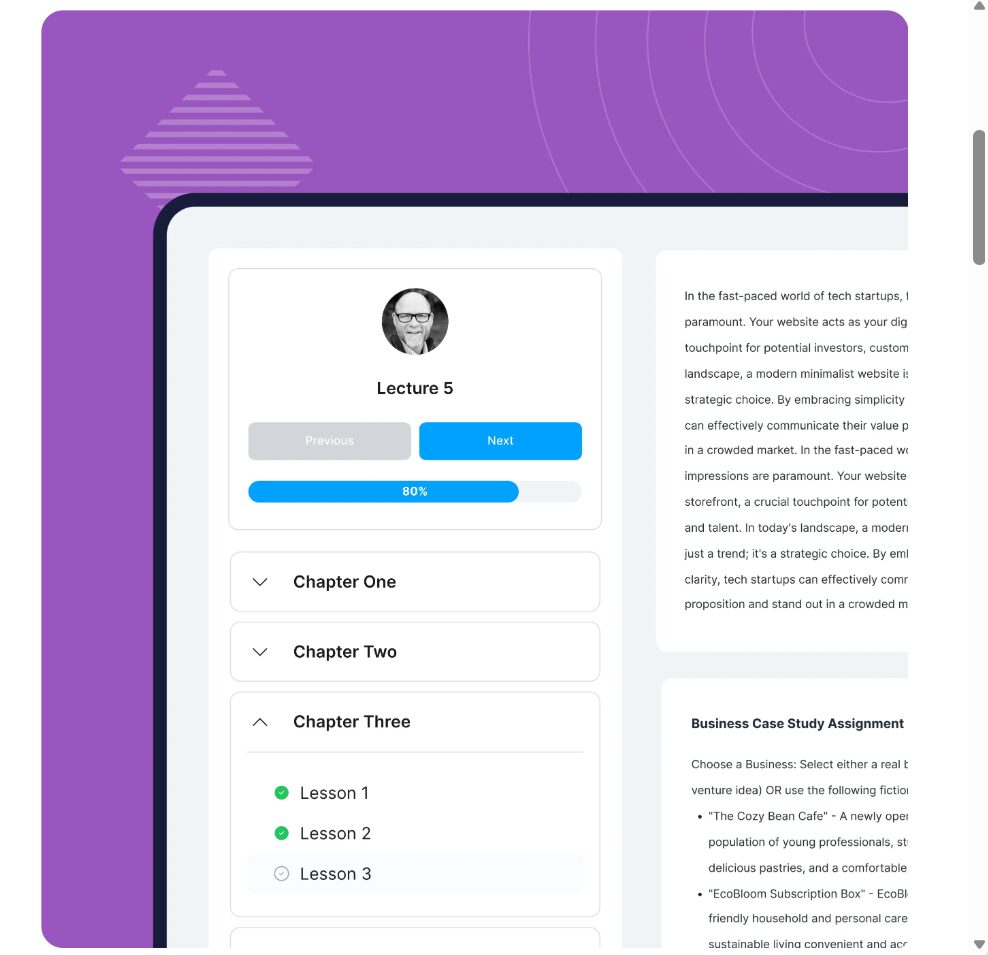
Online Course Creation
If you possess expertise in anything, you can create online courses to teach others. Professional skills from your career, hobby expertise, specialised knowledge or practical abilities all work. Platforms like Teachable and Thinkific make course creation accessible without technical skills.
Courses require significant upfront work but create ongoing income streams. You build content once. Students enrol and complete courses independently. You earn from each enrollment whilst doing minimal ongoing work beyond occasional updates and student support.
Income potential: Modest success generates $500-2,000 monthly. Strong performance generates $3,000-8,000+ monthly. Some course creators build six-figure businesses, though this requires time and marketing skill.
Getting started: Validate your topic by researching what people struggle with in your area of expertise. Create a focused first course with 5-10 lessons. Don’t obsess over production quality initially. Clarity and helpfulness matter more than fancy videos. Price appropriately at $50-300, depending on topic and depth.
Why it works for single dads: Upfront work creates an income stream requiring minimal ongoing time. Completely flexible. Work happens entirely on your schedule. Students learn independently, so you’re not tied to teaching schedules.
Path forward: Start with one focused course. Gather feedback. Improve and expand. Create additional courses. Build an email list. Market through content. Established course businesses often replace employment income whilst requiring 10-15 hours weekly maintenance.
E-Commerce and Dropshipping
Selling physical products online offers a business opportunity without requiring inventory investment through dropshipping models. You create an online store, market products and take orders. When customers purchase, your supplier manufactures and ships directly to them. You never touch inventory.
E-commerce isn’t passive, but it’s flexible. You handle customer service and marketing on your schedule. Order processing happens automatically. Once systems are established, you can maintain an e-commerce business in 15-25 hours weekly.
Income potential: Modest stores generate $2,000-4,000 monthly profit. Successful stores generate $5,000-15,000+ monthly profit. Exceptional stores become six-figure businesses, though this requires significant time and capital investment.
Getting started: Choose a specific niche rather than trying to sell everything. Research products with good margins and reasonable demand. Set up a Shopify store using templates. Connect with suppliers through platforms like Spocket or Modalyst. Start with a small product range. Market through Facebook ads or Pinterest initially.
Why it works for single dads: Flexible schedule once established. Largely automated systems handle orders. Can start small and scale gradually. Potential for significant income if successful.
Considerations: Requires upfront investment in website, initial inventory orders and advertising. Customer service demands can be unpredictable. Advertising costs eat into margins significantly. Not passive despite marketing claims.
Affiliate Marketing Through Content Creation
Affiliate marketing involves creating content that attracts readers, then earning commissions when readers purchase products you recommend through your affiliate links. This typically means building a blog, a YouTube channel or a social media following around specific topics, then monetising through affiliate partnerships.
Affiliate marketing takes time to generate income but offers long-term passive income potential. Content you create continues generating traffic and commissions for months or years. Once established, maintenance requires relatively modest time whilst income continues.
Income potential: First year typically generates $0-500 monthly as you build a foundation. Year two might generate $1,000-3,000 monthly with consistent effort. Established affiliate sites generate $3,000-10,000+ monthly.
Getting started: Choose a niche you’re genuinely interested in, and that has affiliate programmes. Create content consistently (2-4 articles or videos weekly minimum). Focus on genuinely helping the audience rather than promoting everything. Apply to relevant affiliate programmes. Be patient as traffic and income build slowly.
Why it works for single dads: Content creation happens entirely on your schedule. Work compounds over time as old content continues performing. Potential for genuine passive income once established. Can start alongside employment.
Path forward: Commit to 12-18 months of consistent content creation before judging success. Focus on one traffic source initially (search engine optimisation, YouTube or Pinterest). Learn affiliate marketing fundamentals through free resources. Scale what works.
For comprehensive guidance on starting affiliate marketing businesses: Click Here

Avoiding Problematic Opportunities
Single fathers face specific targeting from questionable opportunities. Protect yourself from wasted time and money.
Multilevel Marketing Isn’t The Answer
MLM companies pitch flexibility and unlimited income potential specifically to people needing flexible work. The reality is that over 99% of MLM participants lose money. You’re expected to purchase inventory, recruit other participants and constantly promote on social media. The few earning significant income do so through aggressive recruitment rather than product sales.
If any opportunity’s income potential involves recruiting others who also pay fees, walk away immediately, regardless of how it’s presented. Focus on legitimate employment or businesses where you’re compensated for actual work rather than recruitment.
The Crypto and Forex Trading Trap
Trading cryptocurrency or forex gets marketed as a work-from-home opportunity requiring just a small investment and some learning. The reality is that trading is speculation, not employment or business. Most retail traders lose money. The people making money are often those selling trading courses rather than actually trading.
If you’re interested in trading as a hobby using money you can afford to lose completely, that’s a personal choice. Don’t treat it as an income source or a business opportunity. It’s gambling with extra steps, regardless of how sophisticated the marketing makes it sound.
Unrealistic Income Guarantee Red Flags
Legitimate opportunities never guarantee specific income. Anyone promising you’ll earn $5,000 monthly working 10 hours weekly is lying. High income requires skills, experience, significant time investment or a combination of these. Guaranteed income combined with minimal time commitment is always a scam indicator.
Be particularly sceptical of opportunities requiring upfront payment. Training fees, starter kits, certification fees or administrative fees are common scam mechanisms. Legitimate employers never charge you money. Legitimate business opportunities don’t require you to pay before you can begin earning.

Practical Transition Strategy
Knowing opportunities exist doesn’t automatically translate to securing them. Here’s a systematic approach.
If You’re Ready To Build A Consulting Or Freelance Business With Complete Schedule Control, Guidance Is Available Here
Assess Your Situation Honestly
Inventory your current reality. What professional experience do you have? What skills have you developed through previous work or life experience? What financial runway do you have? What childcare arrangements are possible? What time blocks are genuinely available for work?
Honest assessment prevents pursuing opportunities that don’t match your constraints. If you have two hours daily while the children nap, that narrows options considerably. If you have full school days available, options expand dramatically.
Choose Path Matching Your Constraints
Don’t pursue opportunities requiring resources you don’t have. If you have minimal time available initially, employment with fixed hours won’t work regardless of how attractive the company is. Start with flexible freelance or consulting work you can do in available time blocks.
If you have a financial cushion and childcare covered, you might pursue opportunities requiring upfront investment or longer timelines, like learning to code or building a business. If you need income immediately, focus on opportunities where you can start earning within weeks.
Build Whilst Maintaining Stability
Ideally, don’t quit your existing income source until a new opportunity is generating equivalent or better income consistently. Build alongside employment, even if that means working exhausting hours temporarily. Six months of a difficult schedule beats financial disaster from quitting prematurely.
This isn’t always possible. Sometimes situations force immediate change. But whenever possible, transition gradually rather than betting everything on an unproven opportunity.

Track Progress and Adjust
Set specific goals with concrete timelines. Apply to X number of positions weekly. Complete Y freelance projects monthly. Build Z pieces of content for business. Track whether you’re hitting goals. If not, analyse why and adjust the approach.
Many people continue doing things that aren’t working because they never systematically evaluate results. A monthly review of what’s working and what isn’t lets you double down on successful approaches and abandon unsuccessful ones.
Managing the Reality of Solo Parenting and Remote Work
Remote work solves many problems whilst creating distinct challenges for single parents.
The “Always On” Trap
Working from home, where you also parent, means work is always accessible. Your laptop is right there. The temptation to work during every available moment becomes overwhelming, particularly when finances are tight or you’re building something new.
Resist this. Sustainable pace beats unsustainable heroics. Set clear working hours. When work time ends, close the laptop and engage with children. Protect weekends or designated rest time. Burnout helps nobody, and it arrives faster than you expect when you’re managing both full-time work and full-time parenting alone.
Boundaries With Children
Just because you’re home doesn’t mean you’re available. Children need to understand that work time is work time. This takes patience and consistency, particularly with younger children who don’t comprehend adult work responsibilities.
Create visual signals. Closed door means working. Specific hats or headphones mean unavailable. The timer shows when you’ll be available. Explain in age-appropriate terms that your work provides for the family. This won’t eliminate interruptions, but it reduces them.
Managing Guilt Productively
Single fathers often carry guilt about working when they could be spending time with their children. Remember that working provides for your family. The income covers housing, food, healthcare and security. Working isn’t choosing work over children. It’s providing a foundation that lets them thrive.
Also remember that children benefit from seeing parents work hard, solve problems and build things. You’re modelling work ethic, persistence and responsibility. These lessons serve them well, even if you’re not available every moment they’d prefer.
Building Support Networks
Single parents need support systems. Remote work doesn’t eliminate this need. Identify backup childcare for emergencies or important deadlines. Connect with other remote-working single parents online or locally. Trade childcare with other parents, creating breaks for everyone. Ask for help when you need it.
Isolation is a major risk in remote work, particularly for single parents who might have limited adult interaction generally. Intentionally maintain connections, whether through online communities, local meetups or simple regular communication with friends and family.
If You’re Ready To Build A Consulting Or Freelance Business With Complete Schedule Control, Guidance Is Available Here
Financial Planning For Remote Income
Remote work income requires different financial planning than traditional employment.
Understanding True Take-Home Pay
Many remote positions classify you as a contractor rather than an employee. This means you’re responsible for taxes that would normally be withheld. Set aside 25-30% of every payment for federal and state taxes plus self-employment tax. Failure to do this creates a massive tax bill you cannot pay.
Also factor in healthcare costs if your position doesn’t include insurance. Marketplace coverage costs vary wildly by state and income, but expect $300-800+ monthly for family coverage. Calculate the true hourly rate by accounting for taxes and healthcare costs. Position paying $4,000 monthly might net only $2,400 after taxes and healthcare.

Building an Emergency Fund as a Priority
Single parents need emergency funds desperately. Remote work can help build one through lower expenses compared to traditional employment. No commute saves petrol and vehicle maintenance. No workplace wardrobe saves clothing costs. Reducing or eliminating childcare saves thousands annually.
Channel these savings directly into an emergency fund. Target 3-6 months of essential expenses. This cushion provides security when income fluctuates, unexpected expenses arise, or you need to make employment changes.
Investing in Skills Strategically
Don’t remain stuck at entry-level remote work indefinitely. Invest modest amounts regularly in skill development. $30 monthly for a learning platform subscription. $200 for a relevant certification course. $50 for professional association membership. These investments compound substantially over time, increasing earning power.
Set specific income goals with timelines. Currently earning $3,000 monthly. Target $4,500 monthly within 12 months through raises, skill development or additional income sources. Target $6,000 monthly within 24 months through advancement or business building. Goals without plans remain fantasies.
Long-Term Vision Beyond Employment
Remote employment provides immediate stability. Many single fathers use it as a foundation for greater independence long-term.
Building Expertise That Creates Options
Your remote work provides income stability whilst you develop additional capabilities. Use this security to build expertise, enabling a higher income eventually. Learning specialised skills, building a reputation in your field, or developing business experience happens gradually alongside employment.
Dedicating even 5 hours weekly to development means 250 hours annually. This substantial investment qualifies you for better positions or enables business creation. Compound this over several years and you’re dramatically more capable than when you started.
Multiple Income Streams Creating Security
Many single fathers build a side income alongside employment. Freelance consulting starts as a weekend project. Content creation begins as an experimental hobby. These side projects sometimes grow enough to become primary income, or they provide supplementary income, creating a financial buffer.
The advantage of building whilst employed is security. You’re not risking everything on an unproven venture. You’re testing systematically whilst maintaining income. If the side project grows sufficiently, transitioning becomes a possibility. If it doesn’t, you’ve lost nothing but some time.
Designing Life Around Your Values
Ultimately, the goal isn’t just remote work. It’s control and security that let you design life matching your values and priorities. Remote employment provides both advantages compared to traditional jobs. But developing high-value skills or building a successful business provides even more freedom.
Long-term vision might be running a consulting business earning $80,000-100,000 annually with complete schedule control. Or developing expertise that makes you a highly paid contractor able to choose projects. Or building multiple income sources, creating security even if one disappears. Start where you are. Build systematically toward greater independence. Progress accumulates over the years.

Moving Forward From Where You Are
Understanding the best stay at home jobs for single dads requires balancing two realities simultaneously. First, legitimate remote opportunities offering genuine flexibility and solid income absolutely exist. The remote work revolution opened possibilities that simply didn’t exist fifteen years ago. Second, finding and securing these opportunities requires systematic effort rather than waiting for a perfect opportunity to arrive conveniently.
The combination of being a single father and needing flexible remote work narrows your options compared to people with different constraints. This isn’t about limitation but about being realistic. You cannot pursue opportunities requiring fixed daytime hours if you’re managing school runs alone. You cannot take positions requiring extensive travel, regardless of how attractive the compensation. You cannot afford pure commission roles when you’re the sole financial provider. These aren’t failures or weaknesses. They’re simply facts requiring you to be strategic.
Start with one concrete action this week. Choose three opportunities from this guide that match your background and constraints. Research companies hiring for these roles. Update your LinkedIn profile, positioning yourself for remote work. Apply to five positions. Begin learning a skill that increases your value. Take the first step toward building a side income.
The best stay at home jobs for single dads are being filled right now by single fathers who decided to pursue them despite uncertainty and inconvenience. Your situation is challenging, but you’re clearly capable of handling challenges, given that you’re managing full-time parenting alone whilst researching better work options. Begin now with whatever time and energy you have available. Progress happens through accumulated small forward steps rather than waiting for circumstances to magically improve.