
The Best Side Jobs for Teachers: Real Ways to Earn More in 2026
Because a Passion for Education Should Not Mean a Life of Financial Stress
Teaching is one of the most important jobs in the world. However, it has never been one of the best-paid. If you are a teacher looking for a way to bridge the gap between your salary and your bills, you are far from alone. The best side jobs for teachers are not a sign of failure. In fact, they are a smart, practical response to a very real financial problem that millions of educators face.
According to Pew Research Center, about 1 in 6 US teachers works a second job. So this is not a fringe issue. In fact, it is a widespread reality for educators across the country.
The good news is that teachers are well-placed to earn a strong side income. In fact, you have subject knowledge, communication skills, patience and the ability to explain complex ideas in simple terms.
Importantly, those skills are in high demand far beyond the classroom. So let us walk through the strongest options available right now.

Why So Many Teachers Need a Side Income
The financial case for a teacher’s side job is not hard to make. In fact, the average US teacher salary in 2025 was $72,030, according to data from the National Education Association.
That sounds reasonable on paper. However, when you factor in inflation, teachers were earning 5% less in real terms than a decade ago.
Importantly, for early-career teachers, the numbers are even tighter. The average starting salary for a new teacher sits at just $46,526 per year.
So add student loan debt, rising rent and the cost of classroom supplies and the picture becomes clear. Teaching is a financially stretched profession.
Importantly, the Pew Research data also shows that teachers working second jobs earned an average of $6,090 extra per year from those roles during the school year alone. So, side income is not just possible. It is also meaningful when you choose the right options.
The best side jobs for teachers are ones that align with your existing skills, fit around your school schedule and do not leave you burnt out by Monday morning.
The Get Started Here page covers the tools and platforms that give beginners the clearest path to building real online income. It is a useful next step if digital side income appeals to you.
1. Private Tutoring
Tutoring is the most natural side job for most teachers and one of the highest-earning options available. Importantly, you already know how to explain your subject clearly. You understand how students learn.
So you are better placed than most people to offer private tutoring support. The rates are strong too.
According to Shopify’s guide to teacher side hustles, tutors typically earn $200 to $1,200 per month, depending on the number of students and the subject.
Notably, in-demand areas like maths, science and standardised test preparation command the highest rates. For test prep exactly, tutors earn $25 to $45 per hour on average.
In major cities, that figure can go much higher. Many teachers start with 2 to 3 students a week and grow steadily from there.
Fortunately, you can find clients through local word of mouth, through platforms like Wyzant, Tutor.com and Preply, or by posting in parent Facebook groups. You do not have to limit yourself to your own subject either.
If you are an English teacher with solid maths skills, you can offer both. The flexibility is entirely yours.

2. Selling Lesson Plans and Educational Resources
If you have spent years creating lesson plans, worksheets and classroom games, you are sitting on an income stream you have not tapped yet. Teachers Pay Teachers is the most well-known platform for selling educational resources.
New sellers typically earn a few dollars to a few hundred dollars per month when starting out. More proven sellers who build a strong catalogue can earn $500 or more per month.
Some top sellers earn thousands. The key is to produce resources that solve real problems for other teachers.
For example, think about the materials you wish had existed when you were starting out. Think about the things your colleagues always ask you to share. Those are your product ideas.
Beyond Teachers Pay Teachers, platforms like Etsy and Gumroad are worth exploring too. Many teachers sell printable classroom decor, behaviour trackers, curriculum maps and editable lesson templates.
Importantly, the beauty of this model is that it is genuinely passive. You create a resource once, and it can keep selling for years without any ongoing effort. That is a very different proposition from trading hours for dollars.
3. Affiliate Marketing and Blogging
Affiliate marketing is one of the most scalable side jobs available to teachers. Your communication skills give you a real edge here.
In fact, the model is straightforward. You build an audience online through a blog, YouTube channel or social media presence. You recommend products and services to that audience. When someone buys through your link, you earn a commission.
In practice, the most natural niche is education for most teacher bloggers. You could write about classroom management strategies, teaching tools, lesson planning software or educational technology.
Parents are also a strong audience. So content about learning at home, study tips and educational resources for kids can attract significant traffic.
The commission rates on some products are very strong. Systeme.io, an all-in-one business platform, pays 60% recurring commission.
Similarly, Copy.ai, a popular AI writing tool, pays 45% recurring. ClickFunnels pays 40% recurring.

Importantly, these are not one-time commissions. They keep paying month after month for as long as your referral stays subscribed.
However, it takes time to build an affiliate income. However, teachers who are patient and steady tend to do very well because they understand how to create helpful content.
That content keeps bringing in traffic and commissions long after it is published. So if you enjoy writing and want to build something that earns while you sleep, affiliate marketing is worth taking seriously.
For a clear guide, the Get Started Here page is the most useful starting point available.
4. Freelance Writing and Curriculum Development
Teachers write constantly. Lesson plans, assessment rubrics, parent communications, grant applications and unit overviews. That writing ability is a genuine skill and one that businesses, educational publishers and media companies will pay for.
Freelance writing is a strong option for teachers who want to earn on their own schedule. You could write for education blogs, parenting websites, curriculum companies or edtech businesses.
Fortunately, subject specialists are particularly in demand. A science teacher who can write accurate and engaging content about STEM topics is a valuable asset to many organisations.
Rates for freelance writing typically start at $0.10 to $0.20 per word for general content. Specialist writers in niche areas can earn $0.30 to $0.50 per word or more.
So a single 2,000-word article at those rates can earn $400 to $1,000. That is strong money for a few hours of focused writing.
In fact, curriculum development is a closely related process. Many publishers, edtech firms and nonprofits hire experienced teachers to design learning materials and assessments on a freelance basis.
Rates for curriculum developers typically range from $25 to $45 per hour. So platforms like Upwork, Fiverr and LinkedIn are good places to find your first clients.
5. Online Course Creation
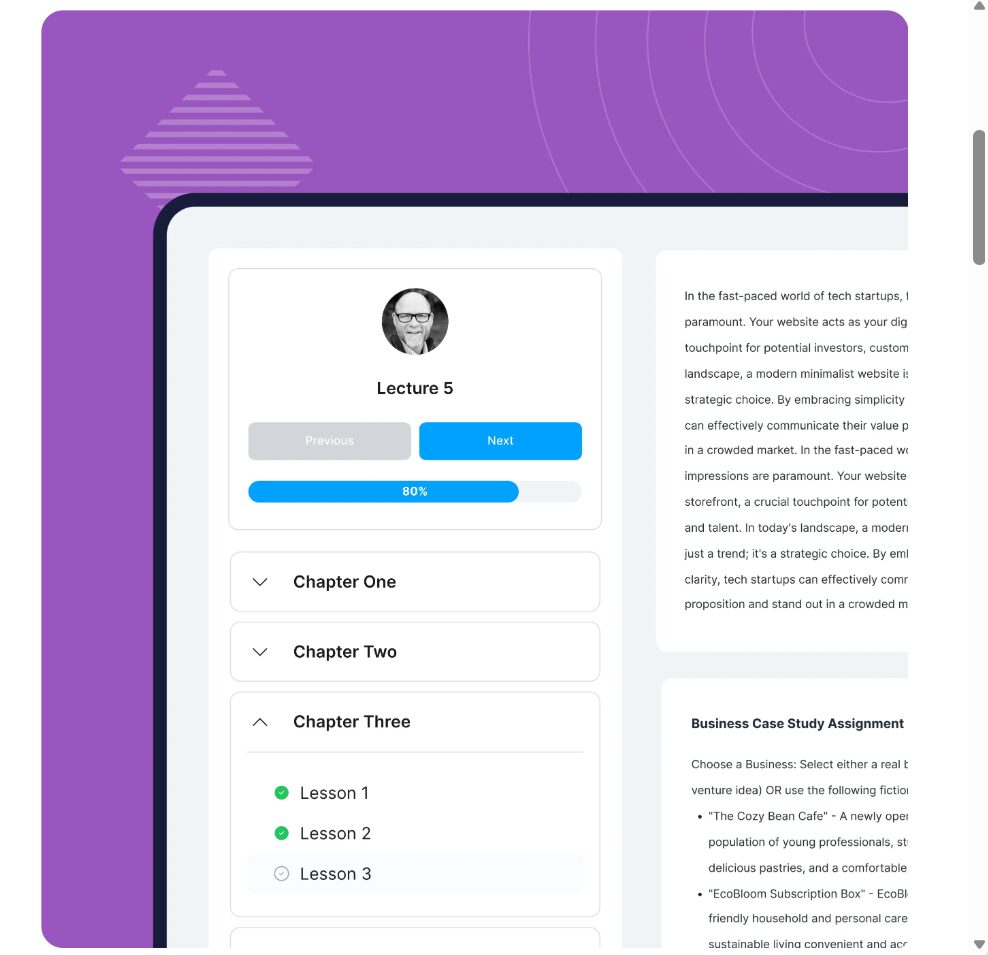
If you have deep expertise in a subject, online course creation is one of the most powerful long-term side jobs for teachers. You record a video-based course, upload it to a platform like Teachable or Udemy and earn money each time someone enrols.
The earning potential varies widely. Some courses earn a few hundred dollars a month. Others, in high-demand areas with strong marketing, earn thousands.
Importantly, for teachers, the most obvious course topics are extensions of what you already teach. However, it pays to think beyond the classroom too.
If you are a PE teacher who has studied nutrition, a course on healthy eating for families could find a wide audience. If you are a primary school teacher with a background in child development, a course for parents on supporting learning at home could sell very well.
However, the upfront time is significant. A well-produced online course typically takes 20 to 50 hours to create.
However, once it is live, it can keep earning for years with minimal ongoing effort. That is the power of building a digital asset rather than simply exchanging time for money.
6. Virtual Assistant Work
Virtual assistant work might not be the most obvious fit for teachers, but it is actually one of the best matches available. Teaching requires great organisation, communication, time management and the ability to handle many demands at once.
In fact, those are exactly the skills that business owners pay virtual assistants to provide. As a virtual assistant, you might handle tasks like email management, calendar scheduling, social media posting, research and data entry.
Importantly, the work is almost entirely remote, and the hours are flexible. Rates for VA work typically start at $15 to $25 per hour for general admin tasks.
Specialist VAs who offer services like bookkeeping, copywriting or social media strategy can charge $40 to $75 per hour or more. Platforms like Upwork, Belay and Fancy Hands are good places to find VA clients.
Many teachers also find work through LinkedIn by reaching out directly to small business owners in their area. So if you want a side job that uses your professional skills, pays well and fits around your teaching schedule, virtual assistance is well worth exploring.
The Get Started Here page covers the tools and platforms that give beginners the clearest path to building real online income. It is a useful next step if digital side income appeals to you.
7. Test Prep Tutoring
Standard tutoring is one thing. However, specialist test preparation tutoring operates at a higher level and pays accordingly.
In fact, standardised tests like the SAT, ACT, GRE and AP exams are a big industry in the United States. Parents invest seriously in preparation and support for their children.
Test prep tutors typically earn $25 to $45 per hour at standard rates. In major cities and premium markets, top tutors earn $80 to $100 per hour or more.
For example, companies like Kaplan, Princeton Review and Varsity Tutors hire experienced tutors to work with students both online and in person. Many experienced teachers build their own test prep practice, charging top rates and growing a client base through word of mouth.
The demand is reliably seasonal. It peaks around exam periods and stays strong throughout the academic year.
So this is a side income stream that fits naturally alongside a full-time teaching role. It is also one where your expertise as a trained educator commands real respect.

8. Print on Demand
Print on demand lets you sell custom-designed products without managing any stock or shipping. You create a design, upload it to a platform like Printful or Redbubble, and the company handles everything else when a customer orders.
Fortunately, for teachers, the natural product lines are obvious. Custom classroom prints, motivational posters, teacher-humour T-shirts, subject-specific mugs and tote bags all sell well in education-related markets.
Parents, fellow teachers and school staff are all natural buyers. Margins per item are modest, typically $3 to $10 per sale.
However, successful sellers build large catalogues and earn from many designs at the same time. The front-loaded work of creating and listing designs pays off over time as more products build up in your shop.
Many teachers use Canva to create their designs, which means you do not need to be a professional graphic designer to get started. The whole business can be run in a few hours a week once your catalogue is proven.
9. Summer School and Adjunct Teaching
For teachers who want to earn more without straying far from their core skills, summer school and adjunct college teaching are natural options. Fortunately, summer school positions at your own school or a nearby district are often the simplest to arrange.
The pay typically runs around $25 to $30 per hour, depending on the district. Adjunct teaching at a community college or university is a step up in prestige and sometimes in pay.
In fact, community colleges regularly hire experienced professionals with subject expertise to teach introductory and intermediate courses. If you have a relevant degree and strong classroom experience, you may well qualify.
Pay for adjunct positions varies widely. However, rates typically range from $2,000 to $5,000 per course per semester, depending on the institution and subject.
Teaching 1 to 2 courses per semester alongside your regular job can add $4,000 to $10,000 per year to your income. Importantly, this option keeps you firmly in your element as an educator.

10. Social Media Management
Most small businesses know they need a social media presence. However, very few have the time or skills to manage it well. That gap is a real chance for teachers who are comfortable online.
Social media managers handle content creation, scheduling, engagement and strategy for business accounts across platforms like Instagram, Facebook, LinkedIn and TikTok.
In practice, the organisational and communication skills teachers use every day translate directly to this kind of work. Rates for social media management typically range from $300 to $1,000 per month per client for a standard package.
So if you can manage 3 to 4 clients at once, that adds up to a meaningful side income. However, finding clients is the hardest part at the start.
Begin by reaching out to local businesses whose social media clearly needs work. Offer a short-term trial at a reduced rate in exchange for a testimonial. Then use that result to attract further paying clients at your full rate.
The Get Started Here page covers the tools and platforms that give beginners the clearest path to building real online income. It is a useful next step if digital side income appeals to you.
11. Selling Stock Photos and Educational Video Content
If you have a decent camera and an eye for photography, stock photo platforms like Shutterstock, Adobe Stock and Getty Images will pay you a royalty each time someone downloads one of your images.
So you create the image once, and it can keep earning for years. For teachers, the most natural photo subjects are classroom scenes, educational materials and childhood learning moments.
Earnings per download are modest, typically $0.25 to $2.00 per image. However, a strong library of 500 to 1,000 images earning steady downloads adds up to a reliable passive income stream over time.
Beyond photography, teachers who are comfortable on camera can build YouTube channels around their subject expertise. Education channels that offer genuine teaching content attract strong audiences.
Importantly, they can be monetised through ad revenue, sponsorships and affiliate links once a channel reaches YouTube’s monetisation levels. That makes video content one of the few side jobs that can earn from several sources at once.

How to Choose the Right Side Job as a Teacher
With so many options available, narrowing down where to start is one of the most important steps. A side job that works brilliantly for a maths teacher with free evenings may not suit a primary school teacher who coaches after school 3 days a week.
Here are 4 questions that will help you choose wisely.
What skills do you already have? Your existing teaching skills are valuable far beyond the classroom. Identify which of your strongest skills translates most directly to the options on this list. Start there.
How much time can you honestly commit? Some side jobs, like tutoring and VA work, produce income quickly but require ongoing time input. Others, like affiliate marketing and course creation, demand heavy upfront effort for a slower payoff. So be honest about your schedule before committing.
Do you want active or passive income? Active side jobs pay you for your time. Passive income streams, like selling lesson plans or affiliate marketing, pay you for assets you have already built. In practice, the strongest long-term strategy combines both.
Does it suit your energy levels? Teaching is mentally and physically demanding. So if a side job feels like more of the same draining type of work, it will be hard to sustain. Choose something that complements your existing routine rather than adding to your fatigue.
Getting Started: Your Next Step
So the most important thing is to pick 1 option and start rather than spending weeks researching without acting. Momentum builds quickly once you have made your first dollar outside the classroom.
If you are drawn to digital income streams like affiliate marketing or blogging, your tool choices matter a lot. Getting the right platforms in place from the start will speed up your results.
According to We Are Teachers, most teachers who earn more through side work do so by leaning into skills they already have rather than trying to learn entirely new ones.

That is wise advice for anyone starting out. In fact, getting the foundation right saves you months of wasted effort further down the line.
The Get Started Here page covers the tools and platforms that give beginners the clearest path to building real online income. It is a useful next step if digital side income appeals to you.
Final Thoughts
Teaching is one of the hardest jobs there is. The fact that so many teachers need extra income to make ends meet is a problem with the system, not a reflection of your worth.
The best side jobs for teachers are ones that respect your time. They use the skills you already have. They also give you a genuine financial return for the effort you put in.
So whether you choose tutoring, affiliate marketing or selling lesson plans, the key is to start. Pick 1 option. Give it 3 to 6 months of steady effort. Then measure your progress honestly.
The compound effect of that consistency is what separates teachers who build real side income from those who stay stuck in the planning stage. You have the skills. You have the work ethic. The only thing left is to put them to use outside the classroom.