

Realistic Ways To Earn Without Burning Out
Finding the best side hustles for busy people feels like being told to fit a piano through a letterbox. Your calendar is already a Tetris game of meetings, family obligations and the basic maintenance of being alive. The idea of adding anything else sounds laughable, yet here you are, researching side hustles because your salary doesn’t quite stretch far enough or because you’re tired of having zero financial cushion when unexpected expenses inevitably appear.
The contradiction is maddening: you need extra income, but you have no extra time. Most side hustle advice ignores this reality entirely, suggesting you start elaborate businesses that require forty-hour workweeks or learn complex skills that take months to monetise. None of that helps when you’ve got two hours on a Tuesday evening and you’re already exhausted.
The truth is that most side hustle content is written by people who vastly underestimate how little time genuinely busy people have. They assume you can dedicate weekends to learning new platforms or that you’ll happily sacrifice sleep to build a business.

They present elaborate systems that sound impressive but require time investment you simply don’t possess. What you actually need are opportunities that generate real money with genuinely limited time, that don’t require massive upfront learning curves and that won’t push you into burnout. Those opportunities exist, but they look different from the flashy success stories plastered across social media.
This guide focuses exclusively on the best side hustles for busy people who are starting from realistic constraints: limited time, probably tired, possibly with family responsibilities and definitely not interested in sacrificing their mental health for a few extra hundred dollars monthly. Every option here can be started in under five hours, operated in small time pockets and scaled only if and when you have capacity.
Understanding Your Actual Constraints
Before diving into specific opportunities, let’s honestly assess what “busy” means for your situation. Generic advice fails because it assumes everyone has the same schedule and capacity.
Time Audit Reality Check
Most people dramatically overestimate their available time. Do this exercise:
Track one normal week hour by hour. Note:
- Sleep (hopefully 6-8 hours nightly)
- Work (including commute and preparation)
- Family responsibilities (childcare, elder care, household management)
- Basic maintenance (cooking, cleaning, hygiene, errands)
- Existing commitments (volunteering, hobbies you won’t abandon)
Whatever’s left is your actual available time. For most busy people, this totals 5-10 hours weekly, not the 20-30 hours most side hustle guides assume.
Energy Audit Matters More Than You Think
Available time doesn’t equal usable time. You might have two hours free at 9 pm, but your brain is mush after a demanding workday. That time works for mindless tasks but not for learning new skills or creative work.
Assess your energy patterns:
- When are you genuinely alert and focused?
- When can you handle routine tasks but not complex thinking?
- When are you physically present but mentally drained?
Match side hustle activities to your actual energy levels rather than pretending you’ll summon motivation through willpower.
Financial Goals Determine Strategy
Be specific about what “extra income” means:
- Need an extra $200-300 monthly to breathe easier?
- Want $500-1,000 monthly to accelerate debt payoff?
- Targeting $1,000-2,000+ monthly to replace salary eventually?
Different goals require different strategies. Chasing $2,000 monthly with five available hours weekly is unrealistic. Earning $300-500 with that time budget is entirely achievable.
High-Return, Low-Time Side Hustles
These opportunities offer the best hourly return for genuinely limited time availability.
Virtual Assistant Services (3-5 Hours Weekly, $300-800 Monthly)
Virtual assistance works brilliantly for busy people because you sell specific skills you already possess rather than learning new ones.
What you actually do:
Choose one focused service rather than trying to offer everything:
- Email management and inbox organisation
- Calendar scheduling and appointment coordination
- Social media posting and basic engagement
- Data entry and spreadsheet management
- Customer service responses
- Meeting transcription and notes
Why it works for busy people:
Tasks are discrete and bounded. You schedule one-hour blocks when convenient. Clients care about outcomes, not when you complete work. Most tasks require focus but not creativity, so they work even when you’re tired.
Getting started:
Week 1: Choose your service based on existing skills. Create a simple one-page website or profile on Upwork/Fiverr stating what you do and your rate.
Week 2: Pitch 20 potential clients. Look for solopreneurs, small businesses or busy executives who need the specific help you offer. Use LinkedIn, cold email or freelance platforms.
Week 3-4: Complete first few jobs, get testimonials, refine your process.
Realistic pricing:
Start at $20-25 hourly. Increase to $30-40 hourly within 3-6 months as you gain testimonials and efficiency. Package services (three hours weekly at $300 monthly) rather than hourly billing for predictable income.
Time requirement:
3-5 client hours weekly, plus 1-2 hours finding clients initially. Once you have steady clients, acquisition time drops to near zero.
For Comprehensive Guidance on Starting a Service-based Business: Get Started Here
Online Tutoring or Coaching (2-4 Hours Weekly, $200-600 Monthly)
If you’re genuinely knowledgeable about anything, people will pay you to teach them. This doesn’t require teaching credentials or fancy certifications.
What you can tutor:
Academic subjects, if you have expertise, but also:
- Musical instruments you play
- Languages you speak
- Professional skills from your career (Excel, presentations, writing)
- Hobbies you’ve mastered (photography, cooking, fitness)
- Test preparation (SAT, GRE, professional certifications)

Why it works for busy people:
Sessions are scheduled at your convenience. One hour of tutoring equals one hour of pay with no additional work. Platforms handle payment and scheduling logistics. You can do this from home via video call in whatever you’re wearing.
Getting started:
Join platforms that match tutors with students:
- Wyzant (broad subjects, set your own rates)
- VIPKid or iTalki (English language teaching)
- Varsity Tutors (academic subjects)
- Outschool (creative and hobby classes for kids)
Alternatively, market directly to local parents via community Facebook groups or NextDoor.
Realistic pricing:
Platform rates: $20-40 hourly, depending on subject and credentials
Private clients: $30-60 hourly
Specialised subjects (advanced maths, professional certification prep, niche instruments) command premium rates.
Time requirement:
2-4 teaching hours weekly. Minimal prep once you’ve taught a subject a few times. Schedule sessions when you have energy.
Freelance Writing (4-6 Hours Weekly, $400-1,200 Monthly)
Writing pays well for people who can communicate clearly. You don’t need to be Hemingway. You need to meet deadlines and follow basic instructions.
Types of writing that pay:
- Blog posts and articles for businesses ($50-300 per article)
- Product descriptions for e-commerce ($10-50 per description)
- Email newsletters for companies ($100-500 per newsletter)
- Website copy ($200-1,000 per website)
- Social media captions and posts ($50-200 per batch)
Why it works for busy people:
Write whenever you have time. Most clients care about deadlines, not when during the day you write. Work expands or contracts based on your availability. Easy to start, stop and return to.
Getting started:
Week 1: Choose one writing speciality. Create 2-3 samples, even if they’re fictional client projects.
Week 2: Apply to 30-50 job posts on Upwork, Contently or ProBlogger job board.
Week 3-4: Complete first assignments, build portfolio, get testimonials.
Realistic pricing:
Beginners: $50-100 per article
6 months experience: $100-200 per article
Established writers: $200-500+ per article
Aim for 4-8 articles monthly at increasing rates.
Time requirement:
4-6 hours weekly writing. 2-3 hours weekly, pitching clients initially, dropping to 1 hour or less once you have steady work.
User Testing Websites and Apps (1-3 Hours Weekly, $100-300 Monthly)
Companies pay real money for feedback on their websites and apps. This is genuinely easy money for odd pockets of time.
What you do:
Complete tests where you navigate websites or apps whilst thinking aloud about your experience. Companies want to know where users get confused, what’s unclear or what could improve.
Why it works for busy people:
Tests take 10-20 minutes each. Do them whenever you have small time pockets. No preparation required. Can be done whilst half-watching TV or during lunch break.
Getting started:
Sign up for multiple testing platforms:
- UserTesting ($10 per 20-minute test)
- TryMyUI ($10 per 20-minute test)
- Userlytics ($5-20 per test)
- TestingTime ($50+ per hour for live tests)
Complete your demographic profile thoroughly to receive more test invitations.
Realistic earnings:
Complete 10-20 tests monthly at $10-20 each. Some people get dozens of invitations weekly, others get fewer. Demographics matter (tech workers get more tests than others).
Time requirement:
1-3 hours weekly in small 10-20 minute chunks. Perfect for genuinely tiny time pockets.
For Comprehensive Guidance on Starting a Service-based Business: Get Started Here
Moderate-Return, Flexible-Time Side Hustles
These require slightly more time investment but offer better scaling potential.
Selling Digital Products (Setup: 8-12 Hours, Ongoing: 2-4 Hours Weekly, $200-1,500+ Monthly)
Create something once, sell it repeatedly. This takes upfront effort but becomes genuinely passive income.
Products that sell:
- Spreadsheet templates (budgets, trackers, calculators)
- Printable planners or organisers
- Stock photos if you have a decent camera
- Digital art or design elements
- Notion templates
- Resume templates
- Presentation templates

Why it works for busy people:
Upfront time investment, but minimal ongoing maintenance. Sales happen whilst you sleep. No client management or deadline pressure.
Getting started:
Weeks 1-2: Create your first product. Focus on solving one specific problem exceptionally well rather than creating everything poorly.
Week 3: List on Etsy, Gumroad or Creative Market. Writea compelling product description with good photos.
Week 4+: Promote through Pinterest, relevant Facebook groups or Reddit communities. Create additional products when you have time.
Realistic pricing and volume:
Templates: $5-20 each
Specialised tools: $15-50 each
Comprehensive packages: $30-100+
Sell 20-50 products monthly once you have several listings and some promotion.
Time requirement:
Upfront: 8-12 hours creating the first product
Ongoing: 2-4 hours weekly, creating new products and promoting
Can go weeks without touching it once you have catalogue
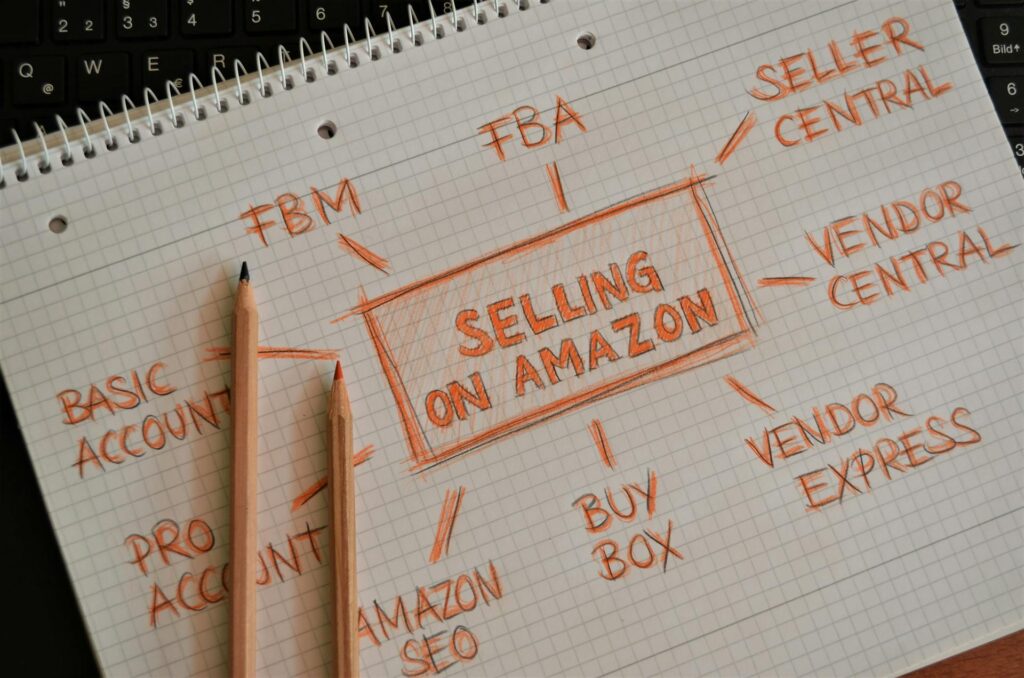
Amazon FBA or Online Arbitrage (Setup: 10-15 Hours, Ongoing: 3-6 Hours Weekly, $300-2,000+ Monthly)
Buy products cheaply, sell for profit on Amazon. More complex than other options, but genuine business potential.
Two main approaches:
Retail arbitrage: Buy clearance items from retail stores, resell on Amazon
Online arbitrage: Buy discounted items online, resell for profit
Why it works for busy people:
Work can be batched. Spend Saturday afternoon sourcing products, ship them Monday, then ignore them until next week. Amazon handles most customer service.
Getting started:
Week 1: Open Amazon Seller account ($39.99 monthly). Download Amazon Seller app.
Week 2: Visit clearance sections at Target, Walmart, and HomeGoods. Scan items with the Amazon app to check profitability. Buy profitable items.
Week 3: List items on Amazon, ship to Amazon FBA warehouse.
Week 4+: Monitor sales, reinvest profits, repeat sourcing.
Realistic earnings:
Aim for 30-40% margins. Invest $200-500 initially. Generate $300-800 monthly within 3-6 months. Scale by reinvesting profits.
Time requirement:
3-6 hours weekly sourcing products
1-2 hours weekly listing and managing inventory
Can batch work into one day weekly
Pet Sitting and Dog Walking (2-6 Hours Weekly, $200-800 Monthly)
Perfect side hustle if you like animals and have flexible schedule pockets.
What you do:
Drop-in visits to feed and check on pets, dog walking, and overnight pet sitting in your home or theirs.
Why it works for busy people:
Choose only assignments that fit your schedule. Morning dog walks before work, evening drop-ins, weekend pet sitting. Reject bookings that don’t work.
Getting started:
Week 1: Sign up for Rover and Wag. Complete profile with photos and detailed bio.
Week 2: Set competitive rates slightly below market average to get first bookings.
Week 3-4: Complete first few jobs, get five-star reviews, raise rates.
Realistic pricing:
Dog walking: $15-25 per 30-minute walk
Drop-in visits: $20-35 per visit
Overnight sitting: $40-75 per night
Complete 8-12 walks weekly plus occasional sitting for $200-600 monthly.
Time requirement:
2-6 hours weekly, depending on how many walks you accept. Fits around other commitments easily.
Low-Return, High-Flexibility Side Hustles
These won’t make you rich but require almost zero skill and fit absolutely anywhere in your schedule.
Delivery Driving (3-8 Hours Weekly, $200-500 Monthly)
DoorDash, Uber Eats, or Instacart let you work literally whenever you want.
Why it works for busy people:
Open the app when you have time. Work one hour or six hours. Stop whenever you want. No commitment or schedule.
Realistic earnings:
$15-25 hourly, depending on location and time of day. Peak times (dinner, weekend mornings) pay best.
Catch:
Vehicle wear and petrol costs reduce net income. Factor in a 20-30% reduction for expenses.
Online Surveys and Market Research (1-3 Hours Weekly, $50-150 Monthly)
Won’t replace income but genuinely requires zero skill.
Legitimate survey sites:
- Survey Junkie
- Swagbucks
- Prolific Academic (higher pay, less availability)
Realistic earnings:
$5-15 hourly if you’re selective about which surveys you complete. Most pay $0.50-3.00 for 5-15 minutes.
Best use:
Fill dead time (waiting rooms, commutes if you’re a passenger, TV watching). Don’t dedicate prime focus time to this.
For Comprehensive Guidance on Starting a Service-based Business: Get Started Here
Selling Unwanted Items (Setup: 4-8 Hours, Ongoing: 1-2 Hours Weekly, $200-1,000 One-Time)
Not sustainable long-term but excellent quick cash injection.
Process:
Photograph everything you don’t use. List on Facebook Marketplace, eBay or Poshmark (for clothes). Respond to inquiries, arrange pickup or shipping.
Works best for:
Clothes, electronics, furniture, books, toys, and sporting equipment. Anything taking space in your home that you’d eventually donate anyway.
Time requirement:
4-8 hours doing initial photography and listings
1-2 hours weekly managing sales
Tapers off once you’ve sold everything worthwhile

Matching Side Hustles to Your Energy Levels
The same five available hours produce different results depending on when they occur and your energy during them.
High-Energy Time (Morning, Well-Rested)
Best for:
- Writing or creative work
- Client calls and tutoring
- Learning new skills
- Pitching potential clients
Medium-Energy Time (Afternoon, Weekends)
Best for:
- Virtual assistant tasks
- Product sourcing for reselling
- Creating digital products
- Administrative work
Low-Energy Time (Evening, End of Week)
Best for:
- User testing
- Surveys and market research
- Routine VA tasks like data entry
- Delivery driving
- Simple product listings
Don’t fight your energy levels. Schedule demanding work when you have capacity and save mindless tasks for when you’re drained.
Building a Side Hustle System That Doesn’t Break You
The difference between side hustles that add value to your life versus those that destroy your well-being comes down to systems.
The Non-Negotiables
Protect your primary income: Never jeopardise your main job for side hustle work. If you’re arriving exhausted and underperforming, you’re doing it wrong.
Maintain key relationships: Sacrificing family time or friendships for extra money creates misery. Set boundaries around when you’ll work on side projects.
Guard your health: Sleep matters more than $200. Exercise matters more than another client. Don’t trade well-being for money.
Start with one hustle: Don’t try doing three different side hustles simultaneously. Master one before adding another.
Realistic Progression Path
Month 1-2: Learning and Setup
- Choose one side hustle matching your constraints
- Complete initial setup and learning
- Expect minimal earnings ($0-200)
- Focus on building systems
Month 3-4: Consistency and Improvement
- Execute consistently within your available time
- Refine your process based on what works
- Increase rates or efficiency
- Target $200-500 monthly
Month 5-6: Optimisation
- Raise rates as you gain experience
- Streamline time-consuming elements
- Consider scaling or adding a second hustle
- Target $400-800+ monthly
When to Scale, Pivot or Quit
Scale when:
- You’re consistently maxing available hours
- Demand exceeds your capacity
- You enjoy the work and want to do more
- Earnings justify time investment
Pivot when:
- You dread the work despite good earnings
- Better opportunities emerge
- Your constraints change (more or less available time)
Quit when:
- The money doesn’t justify the misery
- It’s damaging your health or relationships
- You’ve achieved your financial goal
- Your primary income increases enough to eliminate need
For comprehensive business building strategies: Small Business Administration Resources
Tax and Legal Considerations You Cannot Ignore
Side hustle income is real income with real tax implications.

Track Everything From Day One
- All income earned (platforms often don’t issue tax forms under $600)
- All expenses (supplies, mileage, software, equipment)
- Set aside 25-30% of profits for taxes
Use simple spreadsheet or apps like QuickBooks Self-Employed ($15 monthly).
Understand Your Tax Obligations
Side hustle income is self-employment income. You’ll pay:
- Regular income tax on profits
- Self-employment tax (15.3% for Social Security and Medicare)
If you earn $400+ annually from self-employment, you must file taxes on it.
Quarterly Estimated Taxes
If you expect to owe $1,000+ in taxes, you’re supposed to pay quarterly rather than waiting for annual tax return. Calculate and pay through IRS website.
Business Structure Decision
Sole proprietor (default): Simplest option. Report income on personal taxes via Schedule C. No separate business entity.
LLC (optional): Provides liability protection. Worth considering once you’re earning $1,000+ monthly, but adds complexity and cost ($50-500 depending on state).
Don’t overthink this initially. Start as sole proprietor. Consult tax professional if you scale significantly.
For detailed tax guidance: IRS Self-Employment Tax Information
Common Mistakes That Waste Your Limited Time
Learn from others’ errors:
Mistake 1: Choosing Side Hustles Based on Maximum Earning Potential
The highest-paying opportunity means nothing if you hate it or can’t sustain it. A side hustle paying $30 hourly that you abandon after three weeks earns less than one paying $20 hourly that you maintain for years.
Mistake 2: Undercharging Because You’re “New”
Charging $10 hourly when market rate is $25 doesn’t get you more clients. It attracts nightmare clients who don’t value your time. Charge professional rates from day one.
Mistake 3: Saying Yes to Everything
Every client request, every project, every opportunity looks good when you need money. But operating at 100% capacity with no buffer guarantees burnout and poor quality work.
Mistake 4: No Systems or Automation
Manually doing the same task repeatedly wastes time. Create templates, use scheduling tools, batch similar work. Two hours of system-building saves ten hours monthly.
Mistake 5: Neglecting to Track Time and Earnings
Flying blind means you don’t know if you’re earning $15 hourly or $40 hourly. Track both time invested and earnings for every side hustle. Optimize based on data.
Mistake 6: Waiting for Perfect Timing
You’ll never have “enough time” or feel “ready.” Start with your current constraints. Adjust as you learn what works.

For Comprehensive Guidance on Starting a Service-based Business: Get Started Here
The Mental Game of Side Hustling Whilst Busy
Logistics matter but mindset determines success.
Reframe What “Success” Means
Success isn’t quitting your job in six months. Success is:
- Earning an extra $300 monthly that eases financial pressure
- Building skills that make you more valuable
- Creating financial cushion for emergencies
- Proving to yourself you can build something from nothing
Manage Comparison Carefully
Social media shows people earning $10,000 monthly from side hustles. What it doesn’t show:
- They work 50 hours weekly on their “side hustle”
- They have advantages you don’t (existing audience, spousal support, financial cushion)
- It’s often not sustainable (burnout, life changes)
- Many are exaggerating or lying outright
Your $400 monthly from five hours weekly is genuinely impressive. Don’t diminish it because someone else claims bigger numbers.
Celebrate Small Wins
First dollar earned matters. First client who returns matters. First week you didn’t want to quit matters. Acknowledge progress rather than fixating on the gap between current reality and aspirational goals.
Know When to Rest
Some weeks you’ll have zero capacity for side hustle work. That’s fine. Missing one week doesn’t erase previous progress. Give yourself permission to be human rather than a productivity machine.
Your First Action Steps
Reading means nothing without execution. Here’s what to do now:
Today (30 Minutes):
- Complete the time and energy audit from earlier
- Choose one side hustle from this list matching your constraints
- Bookmark three resources for that hustle
This Week (2-3 Hours):
- Complete initial setup (create profile, build samples, join platform)
- Research pricing in your chosen hustle
- Set specific goal (earn $300 monthly by month 3)
Next Week (3-5 Hours):
- Pitch first potential clients or list first products
- Complete first test project even if it’s for practice
- Track time invested and learnings
Weeks 3-4 (4-6 Hours):
- Complete first paying work
- Get first testimonial
- Refine your approach based on what you learned

Making Side Hustles Work When You’re Actually Busy
The best side hustles for busy people aren’t the ones that sound most impressive or promise the highest earnings. They’re the ones that acknowledge your reality: limited time, real exhaustion and competing priorities that won’t disappear just because you need extra money.
The side hustles that work are the ones you can start quickly, execute in small time pockets and abandon for a week when life gets overwhelming without destroying everything you’ve built. They’re the ones that generate real money without requiring you to sacrifice sleep, health or relationships that matter more than a few hundred extra dollars monthly.
Success with side hustles whilst genuinely busy isn’t about finding magical opportunities that require no effort or time. It’s about being ruthlessly honest about your constraints, choosing opportunities that fit those constraints and building sustainable systems rather than sprinting toward burnout.
The freelance writer earning $500 monthly in six focused hours weekly is more successful than the person juggling four side hustles, working twenty hours weekly and earning $800 whilst destroying their mental health. The former is sustainable and can grow. The latter is counting days until inevitable collapse.
Start with one side hustle from this list. Give it three months of consistent effort within your actual available time before judging success or failure. Track what works and what doesn’t. Adjust based on reality rather than aspirational thinking about how much time you’ll magically find.
Most importantly, remember that the best side hustles for busy people are ultimately the ones you’ll actually maintain over months and years rather than burning out on within weeks. Choose sustainability over impressive-sounding opportunities and you’ll still be earning extra income long after the burnout crowd has given up and returned to complaining about needing more money whilst doing nothing about it.