

Stay At Home Jobs For Moms That Are Not Scams: The Honest Guide You Actually Need
When you’re searching desperately for stay at home jobs for moms that are not scams, you’ve probably already waded through countless websites promising you can earn thousands weekly stuffing envelopes or processing payments or becoming a mystery shopper. Perhaps you’ve encountered the multilevel marketing pitches disguised as female empowerment. Maybe you’ve seen the vague job listings requiring upfront payment for training materials that turn out to be worthless. The sheer volume of exploitative rubbish targeting mothers specifically is both infuriating and depressing because it preys on the exact vulnerability that makes you search in the first place.
You need flexibility because childcare is either unaffordable or unavailable, or simply not what you want for your family. You need income because one salary doesn’t stretch far enough, or because you’re the only parent or because financial independence matters to you. You need work that fits around school runs and sick children and the thousand interruptions that come with being primarily responsible for keeping small humans alive. Every scam artist on the internet knows this and designs their pitch accordingly. They know you’re time-poor, they know you’re stressed about money and they know you’re vulnerable to anything promising you can have both income and flexibility without sacrificing one for the other.
This guide focuses exclusively on stay at home jobs for moms that are not scams by examining legitimate opportunities from real companies alongside realistic self-employment options. Nothing here promises easy money or passive income. Everything here is actual work, paying actual money to mothers working around actual constraints. The opportunities won’t make you wealthy immediately, but they will generate genuine income whilst respecting that you have responsibilities beyond maximising billable hours.

Understanding What Makes Opportunities Legitimate
Before examining specific positions, let’s establish how to distinguish real work from predatory rubbish.
Real Employers Never Charge You Money
This is the fundamental rule. Legitimate companies pay you for work. They don’t charge training fees, require you to purchase starter kits, demand background check payments or ask for administrative fees before you can begin. Any opportunity requiring upfront payment is almost certainly a scam, regardless of how professional the website looks or how many testimonials they display.
The only exception is if you’re building your own business and investing in necessary tools or inventory. But even then, legitimate business expenses are transparently yours rather than payments to some company promising to provide you with work in exchange for fees.
Realistic Income Claims Are Essential
Real positions advertise actual hourly rates or salary ranges. Scams use vague language about unlimited earning potential or promise specific high incomes that sound too good to be true because they are too good to be true. If an opportunity claims you’ll earn $5,000 monthly working 15 hours weekly, you’re looking at a scam.
Legitimate stay-at-home work for mothers typically pays $13-25 hourly, depending on skills and role. Full-time work generates $2,200-4,000 monthly. Higher income is possible, but it requires genuine skills, substantial experience or significant time investment. Anyone promising otherwise is lying.
Clear Job Descriptions Matter
Real positions tell you specifically what you’ll be doing. Customer service representative answering phone calls and emails. Data entry specialist updating medical records. Virtual assistant managing email and scheduling. These are concrete descriptions of actual work.
Scams stay vague. “Work from home, completing simple online tasks.” “Earn money in your spare time with our revolutionary system.” “Join thousands of successful women building their dream businesses.” Notice there’s no actual description of what the work involves or what you’ll be doing daily.
Verifiable Company Information Is Non-Negotiable
Legitimate companies have substantial online presence. Company websites with proper domain names. LinkedIn pages showing real employees. Glassdoor reviews from actual workers discuss both positive and negative aspects. Social media presence demonstrating they’re real organisations.
Scams often have minimal online presence beyond their recruiting website. No employee reviews because there are no employees. No social media because there’s no actual company. Do basic research before applying anywhere. If you can’t find substantial information about a company beyond its job listing, assume it’s not legitimate.
If you’re ready to build course-based or content-based businesses offering long-term passive income potential, comprehensive guidance is available here
Customer-Facing Positions From Established Companies
These opportunities come from real companies with legitimate remote positions specifically designed for flexible scheduling.

Remote Customer Service With Major Corporations
Large established companies employ thousands of remote customer service representatives handling phone calls, emails and chat support. These positions exist at airlines, insurance providers, technology companies and retailers. Work involves helping customers solve problems, answering questions and occasionally managing complaints.
Most positions require just reliable internet, a quiet workspace during shift hours and the ability to communicate clearly. Comprehensive training lasting two to four weeks is provided before you handle actual customers. You’re following established procedures rather than inventing solutions, making the work manageable even without previous experience.
Income reality: Entry-level positions pay $13-17 hourly. Experienced representatives earn $17-22 hourly. Full-time work generates $2,200-3,500 monthly before taxes. Some companies offer benefits, including health insurance, though many classify workers as contractors.
Schedule flexibility: This varies dramatically by company. Some require fixed shifts, but let you choose which shifts when hired. Others offer genuine flexibility where you set availability weekly. Research specific company policies carefully because “remote” doesn’t automatically mean “flexible schedule”.
Getting started: Apply directly through company career pages rather than third-party job boards. Search “[company name] remote customer service” and apply through official websites. Create a straightforward CV emphasising communication skills and reliability, even if your recent background is primarily parenting.
Companies actively hiring: Apple At Home Advisor, Amazon Customer Service, American Express remote positions, Concentrix, TTEC, Working Solutions, and Alorica. Each has different requirements and flexibility levels, so research thoroughly before applying.
Realistic expectations: Customer service can be emotionally draining when you’re dealing with frustrated people. Productivity monitoring is common with metrics tracking, call handling time and customer satisfaction. Some positions use software to monitor your computer activity during shifts. Understand what you’re signing up for before committing.
For comprehensive guidance on remote customer service careers, visit: FlexJobs Customer Service Guide
Online Teaching English to International Students
Teaching English to children and adults in other countries has become one of the most accessible work-from-home options for mothers. Platforms connect native English speakers with students worldwide for one-on-one video lessons. Many positions require just that you’re a native speaker with a reliable internet connection and a pleasant teaching manner.

Lessons typically follow the provided curriculum. You guide students through materials, correct pronunciation, encourage conversation practice and provide positive reinforcement. Training is offered before you teach actual students, teaching you the platform’s methodology and expectations.
Income reality: Most platforms pay $14-22 hourly, depending on qualifications and schedule. Peak hours typically align with early morning or evening to match students’ time zones in Asia. Working 20 hours weekly generates $1,100-1,800 monthly.
Schedule flexibility: This is genuinely flexible. You set your availability and accept bookings during times that work for you. You can adjust availability weekly, accommodating changing childcare situations. However, consistent scheduling often builds regular student relationships, leading to more bookings.
Getting started: Requirements vary by platform. Some require bachelor’s degrees, whilst others need just native English proficiency. Most require a demo lesson showing you can engage students and follow the teaching materials. Research platform requirements carefully, as they differ substantially.
Platforms accepting mothers: Cambly (most accessible requirements), VIPKid (requires bachelor’s degree), Qkids, Palfish, Magic Ears. Each has distinct requirements, pay structures and scheduling systems.
Realistic expectations: Student cancellations affect actual income. Holidays and examination periods cause booking fluctuations. Working with students in different time zones often means very early morning or late evening hours. Income can be inconsistent month-to-month.
Virtual Receptionist Services
Virtual receptionists answer phone calls for businesses remotely, take messages, schedule appointments, provide information to callers and transfer calls appropriately. Work happens through voice-over-internet systems, forwarding business calls to your home setup during your scheduled hours.
The role requires professional phone manner and basic organisational skills, but no specific industry experience. Training teaches you about the clients you’re answering for, how they want calls handled and what information to collect from callers.
Income reality: Positions typically pay $12-18 hourly, depending on the company and shift. Full-time work generates $1,900-2,900 monthly. Some companies offer bonuses for handling difficult shifts or high call volumes.
Schedule flexibility: Mixed. Some companies let you choose shifts when hired, then expect consistency. Others offer genuine week-to-week flexibility where you claim available shifts. Research specific company policies regarding scheduling.
Getting started: Professional phone manner matters more than previous receptionist experience. Apply, emphasising any phone communication experience, even from personal life. Some companies conduct phone interviews as part of the hiring process to test your communication style.
Companies hiring: Smith.ai, Ruby Receptionists, PATLive, Gabbyville, and MAP Communications. Search company websites directly rather than through job boards for the most accurate information.
Realistic expectations: You need a genuinely quiet environment during working hours. Background noise from children or pets is typically unacceptable. Consider whether you can maintain a professional, quiet environment before applying.
If you’re ready to build course-based or content-based businesses offering long-term passive income potential, comprehensive guidance is available here
Administrative Work For Flexible Schedules
These positions offer deadline-based work rather than requiring specific working hours, making them more compatible with unpredictable parenting schedules.

Bookkeeping for Small Businesses
Bookkeepers manage financial records, reconcile accounts, process invoices and prepare reports for small businesses. Work follows established procedures and happens largely independently once initial systems are established with clients.
Small businesses everywhere need bookkeeping help, but can’t afford or don’t need full-time accountants. Virtual bookkeepers fill this gap perfectly. Most work involves monthly or weekly tasks rather than daily demands, creating natural flexibility around your schedule.
Income reality: Bookkeepers charge $25-45 hourly, depending on experience and complexity. Managing four to six retainer clients generates $2,500-5,400 monthly, working 20-30 hours weekly on your schedule.
Schedule flexibility: Excellent. Work happens on your schedule as long as monthly deadlines are met. You choose which hours to work and can adjust based on childcare needs or family situations.
Getting started: If you lack an accounting background, QuickBooks certification or bookkeeping courses through community colleges provide a foundation. Many programmes are online and self-paced. Once trained, start with one or two small clients building testimonials before expanding.
Finding clients: Upwork initially to build a portfolio, direct outreach to small businesses, networking with accountants who need overflow help, Bookminders and similar services connecting bookkeepers with clients.
Realistic expectations: Building a steady client base typically takes six to twelve months. Initial income is modest while you’re establishing yourself. Consistency and accuracy matter enormously as you’re handling businesses’ financial records.
Virtual Assistant Specialising in Specific Tasks
Virtual assistant work encompasses everything from email management to social media scheduling to research to basic administrative support. Rather than positioning yourself as a generalist handling everything, specialise in specific tasks you’re comfortable managing.
Email organisation, calendar management, data entry, invoice processing and research don’t require fancy credentials. They require reliability, attention to detail and the ability to follow instructions. These qualities are demonstrable without a formal employment background.
Income reality: Specialised virtual assistants charge $20-40 hourly. Working 15-20 hours weekly for several clients generates $1,200-3,200 monthly. Rates increase as you build testimonials and proven reliability.
Schedule flexibility: Excellent. Most virtual assistant work happens asynchronously. You complete tasks on your schedule, meeting agreed deadlines. Communication with clients happens primarily through email rather than phone calls or video conferences.
Getting started: Identify specific services you can offer confidently. Create a profile on Upwork or Fiverr stating exactly what you do. Offer competitive rates initially to build a portfolio and reviews, then raise prices systematically as demand increases.
Finding clients: Upwork and Fiverr for initial clients, Fancy Hands for task-based work, Belay and Time Etc (require more experience), direct outreach to small business owners and entrepreneurs through LinkedIn and professional groups.
Realistic expectations: Building to multiple steady clients takes three to six months, typically. Initial months involve substantial marketing effort alongside actual work. Income fluctuates until you have established a client base.

Transcription Services
Transcriptionists listen to audio recordings and type what they hear. General transcription covers podcasts, business meetings, interviews and YouTube videos. Medical and legal transcription require specialised training but pay substantially more.
Work is completely independent, happening on your schedule. You receive audio files, transcribe them when convenient and submit completed work by the deadline. No meetings, no calls, no video conferences. Just you, headphones and keyboard working at whatever pace your life allows.
Income reality: General transcription pays $15-25 hourly once you’re proficient. Medical transcription pays $18-30 hourly. Legal transcription pays $20-35 hourly. Building a steady client base generates $2,000-4,000+ monthly.
Schedule flexibility: Excellent. Deadlines exist, but you choose when to work within those parameters. Work in small chunks during nap times or in longer sessions when children are at school. Flexibility is extraordinary once you’re established.
Getting started: General transcription requires just a computer, headphones and transcription software. Practice transcribing YouTube videos to build speed and accuracy. Join platforms like Rev or TranscribeMe to start, then seek direct clients for better rates.
Finding clients: Rev, TranscribeMe and GoTranscript accept beginners. Transcription-specific job boards. Direct outreach to podcasters, researchers and businesses needing transcription services.
Realistic expectations: Initial earnings are quite modest whilst you’re developing speed. Expect the first month to generate $300-600 as you’re learning. Income increases substantially once you’re fast and accurate. Medical and legal transcription requires certification, but pays considerably better.
For detailed transcription career guidance, visit: The Balance Careers Transcription Guide
Building Your Own Legitimate Business
Self-employment eliminates the need for employers to accommodate your schedule by giving you complete control over when and how you work.
Freelance Writing for Businesses and Publications
Businesses need written content constantly. Blog posts, website copy, email campaigns, social media content, product descriptions and articles all require writers. Clear communication and reliability matter more than journalism degrees or extensive portfolios.
Writing work happens completely independently on your schedule. Once you establish client relationships, communication occurs primarily through email. Deadlines exist, but they’re typically reasonable and often negotiable, particularly once clients trust your reliability.
Income reality: Beginning writers earn $50-150 per article for basic content. Established writers earn $200-500+ per article. Building a steady client base generates $2,500-5,000+ monthly. Higher incomes are achievable with specialisation and experience.
Schedule flexibility: Outstanding. Write whenever you have time, as long as deadlines are met. Work in small chunks or longer sessions, depending on what your day allows. No requirements to be available at specific times.
Getting started: Write three to five sample articles demonstrating your ability. Create profiles on Upwork or Contently. Apply to job postings accepting less experienced writers. Start with modest rates to build a portfolio, then increase systematically as you gain testimonials and confidence.
Finding clients: Upwork and Fiverr initially, Textbroker for practice (pays poorly but accepts beginners), ProBlogger job board, direct outreach to small businesses and content agencies.
Realistic expectations: Building to a full-time income typically takes six to twelve months. Initial months generate modest income whilst you’re establishing yourself and developing skills. Competition is substantial, but demand exceeds supply for genuinely good writers.

Social Media Management for Small Businesses
Small businesses need a social media presence but lack the time or expertise to manage it effectively. Social media managers create content, schedule posts, engage with followers, respond to messages and analyse performance across platforms.
You don’t need marketing degrees or thousands of followers. You need an understanding of how platforms work, the ability to create engaging content and consistency in posting. These skills develop through practice rather than requiring formal credentials.
Income reality: Social media management pays $400-1,200 monthly per client for basic services. Managing three to five clients generates $2,000-4,500 monthly. Rates increase substantially as you prove results and expand services.
Schedule flexibility: Excellent. Most work involves creating and scheduling content in batches. You work on your schedule, then the content publishes automatically. Client communication happens primarily through email and messaging.
Getting started: Master one or two platforms thoroughly rather than trying to handle everything. Create content for your own accounts, demonstrating capability. Offer the first client or two very competitive rates in exchange for testimonials. Join groups where small business owners gather.
Finding clients: Direct outreach to local businesses with poor social media presence, Upwork for remote clients, Facebook groups for entrepreneurs and small business owners, and networking through local business organisations.
Realistic expectations: Building to multiple paying clients typically takes three to six months. First clients often come through personal networks. Results take time to demonstrate, making patience essential. Income fluctuates significantly in the early months.
Online Course Creation: Teaching Your Knowledge
If you possess expertise in anything, you can create online courses to teach others. Parenting skills, home organisation, budgeting, cooking, professional expertise from previous career, hobby knowledge or academic subjects all work. Platforms make course creation accessible to non-technical people.
Course creation requires substantial upfront work but generates ongoing income. You create content once. Students enrol and learn independently. You earn from each sale whilst doing minimal ongoing work beyond occasional updates and student support.
Income reality: Variable significantly. Modest courses generate $300-1,000 monthly. Successful courses generate $2,000-6,000+ monthly. Exceptional courses become substantial businesses earning $8,000-15,000+ monthly, though this is uncommon and requires extensive marketing.
Schedule flexibility: Extraordinary. Creating a course happens entirely on your schedule. Once launched, the course runs independently with minimal time requirements from you. This is genuinely passive income if marketed effectively.
Getting started: Choose a focused topic where you have genuine expertise. Create a course with five to ten lessons. Don’t obsess over production quality initially. Launch on Teachable, Thinkific or Udemy. Price at $40-200 depending on topic depth.
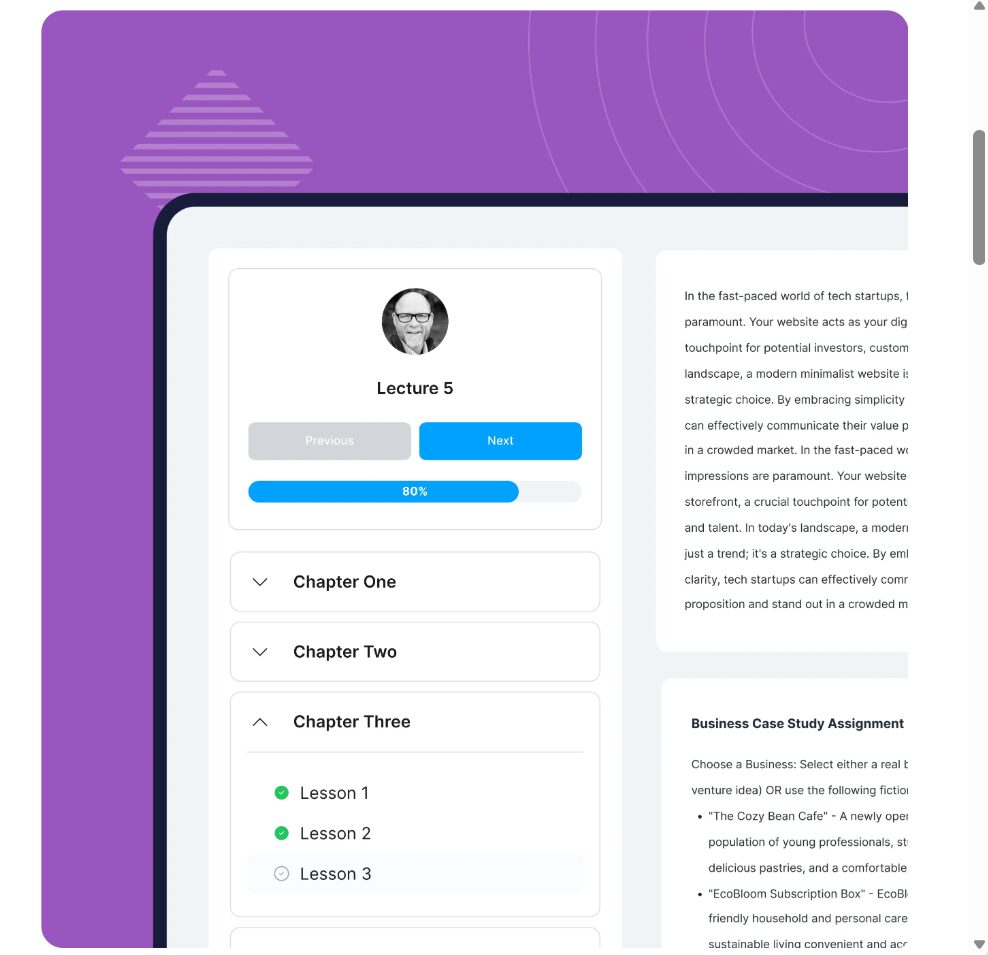
Realistic path: Launch first course. Gather student feedback. Improve based on experience. Create additional courses, expanding your catalogue. Build an email list for marketing. Established course creators often replace a full-time income.
Realistic expectations: Most courses sell poorly initially because nobody knows they exist. Success requires both a quality course and effective marketing. Building meaningful income typically takes twelve to eighteen months of consistent effort.
If you’re ready to build course-based or content-based businesses offering long-term passive income potential, comprehensive guidance is available here
Identifying and Avoiding Common Scams
Mothers are specifically targeted by exploitative schemes disguised as flexible opportunities. Protect yourself and your finances.
The Multilevel Marketing Trap
MLM companies pitch themselves as perfect opportunities for mothers wanting flexibility and unlimited income. The reality is that over 99% of MLM participants lose money. You’re expected to purchase inventory, recruit other participants and constantly promote on social media, alienating friends and family.
The few people earning significant MLM income do so through aggressive recruitment rather than product sales. They profit from those below them in the pyramid. Don’t let anyone convince you that MLM is a legitimate business opportunity. It’s a legal pyramid scheme designed to extract money from participants rather than generate genuine income.
Common MLM companies targeting mothers: Anything requiring you to purchase starter kits, recruit team members or buy inventory upfront is MLM, regardless of how they present themselves. Beachbody, Arbonne, Young Living, doTERRA, LuLaRoe, Pampered Chef, Scentsy and dozens of others all follow this model.
The recruitment pitch: MLMs specifically target mothers with messaging about female empowerment, flexibility and being your own boss. They’re exploiting your desire for those things rather than providing them. Real business opportunities don’t require you to recruit competitors.
The Data Entry Scam
Advertisements promise easy money doing simple data entry from home. When you apply, they require payment for training materials or background checks or administrative fees. After you pay, you receive either nothing or worthless generic information about finding data entry work. There’s no actual job.
How to identify this scam: Any data entry opportunity requiring upfront payment is a scam. Legitimate data entry positions exist, but they hire you directly through normal employment processes. They never charge you money.
The legitimate alternative: Real data entry positions exist at hospitals, insurance companies, universities and corporations. Search company websites directly. Apply through normal hiring processes. Never pay anyone claiming to provide you with data entry work.

The Envelope Stuffing and Mail Processing Myth
These scams claim you can earn money stuffing envelopes or processing mail from home. When you pay the required fee, you discover the “business” involves recruiting others to pay the same fee. There’s no actual envelope stuffing. You’re just passed the scam and expected to perpetuate it.
How to identify this scam: Any opportunity involving stuffing envelopes, processing mail or assembling products from home that requires upfront payment is a scam. These jobs don’t exist in 2024. Automation handles these tasks when they’re needed at all.
The Mystery Shopping Scam
Legitimate mystery shopping exists, but pays modestly for occasional work rather than providing a full-time income. Scam companies claim to hire mystery shoppers, then require payment for certification or access to assignments. After you pay, you receive either nothing or access to list of legitimate mystery shopping companies you could have found yourself for free.
How to identify this scam: Legitimate mystery shopping companies never charge you to work for them. They might require registration but never payment. If anyone asks for money to become a mystery shopper, it’s a scam.
The legitimate alternative: Real mystery shopping companies include BestMark, Market Force and IntelliShop. Register directly through their websites for free. Expect modest payment ($10-30 per assignment) rather than full-time income.
The Google and Amazon Work From Home Scam
Advertisements claim Google or Amazon is hiring work-from-home positions with easy application processes and high pay. When you click through, you’re directed to websites requiring personal information and eventually payment for training or background checks.
How to identify this scam: Google and Amazon do hire remote workers, but only through their official career pages. Any third-party website claiming to facilitate hiring for these companies is a scam. Apply only through google.com/careers or amazon.jobs.
The legitimate alternative: Visit company career pages directly. Search for legitimate remote positions. Apply through official processes. Never pay anyone claiming to help you get hired at major companies.
Managing Realistic Expectations
Understanding what’s genuinely achievable prevents discouragement whilst maintaining forward momentum.
Initial Income Will Be Modest
Starting in any new field typically means starting at entry-level pay. Expect $12-18 hourly or $1,500-2,500 monthly for first positions. This isn’t exciting money, but it’s legitimate income while you’re building experience, qualifying you for better opportunities.
View initial work as paid training, positioning you for a higher income rather than a permanent station. Six to twelve months of experience dramatically expands opportunities available to you.

Building to Sustainable Income Takes Time
Whether pursuing employment or self-employment, reaching a sustainable full-time income typically requires six to eighteen months, depending on the path chosen and the time you can dedicate. Quick money doesn’t exist outside of scams.
Freelance businesses particularly require patience. The first months involve substantial marketing effort, generating minimal income. Client base builds gradually through referrals and reputation. Expecting immediate full-time income sets you up for disappointment and premature quitting.
Flexibility Often Means Lower Pay
Positions offering genuine schedule flexibility often pay less than equivalent positions requiring fixed hours. This isn’t unfair. It’s market reality reflecting that flexibility has value worth trading some income for.
A position paying $16 hourly with complete flexibility regarding when you work might be a better choice than a position paying $20 hourly requiring specific shift availability you can’t reliably manage with childcare constraints.
Work-Life Balance Requires Active Protection
Working from home whilst managing children can blur boundaries dangerously. Just because you’re home doesn’t mean you’re available for everything simultaneously. You’ll need to establish boundaries both with children and with yourself regarding when you’re working versus when you’re parenting.
Many mothers working from home report working constantly because the computer is always right there and there’s always guilt about not earning enough or not being present enough. Sustainable balance requires deliberately protecting both work time and family time rather than attempting to do both simultaneously constantly.
If you’re ready to build course-based or content-based businesses offering long-term passive income potential, comprehensive guidance is available here
Practical Steps for Getting Started
Knowing opportunities exist doesn’t automatically translate to securing them. Here’s a systematic approach.
Assess Your Actual Constraints
Be honest about what you can manage. How many hours weekly are genuinely available? What times of day are you actually available? Do you need income immediately or can you invest time building something longer-term? What skills do you already possess versus what would require extensive learning?
Realistic assessment prevents pursuing opportunities that don’t match your actual situation. A position requiring fixed 9 am-5 pm availability won’t work if you’re managing school runs and young children. Building a freelance business requiring six months before meaningful income won’t work if you need money next month.
Choose One Specific Path
Don’t try building a freelance business whilst applying for employment, whilst starting a blog simultaneously. Choose one approach matching your constraints and capabilities. Give it focused effort for three to six months before evaluating success.
Many mothers fail not because the opportunity doesn’t work but because they’re spreading effort across too many directions simultaneously, whilst managing full-time parenting. Better to make genuine progress in one area than minimal progress in several.
Create Professional Foundation
Establish basic professional infrastructure even if you’ve been out of the workforce. Professional email address using your name. LinkedIn profile presenting your background and capabilities. Simple CV emphasising skills and reliability. These basics matter when applying to legitimate positions.
For freelance work, create a simple website or strong profiles on relevant platforms. Professional presentation matters even for entry-level opportunities. You don’t need fancy branding, but you need to appear legitimate and reliable.

Apply Extensively
Remote positions are competitive because you’re competing with people nationwide or globally. Apply to thirty to fifty positions, expecting three to five interviews and one to two offers. This isn’t pessimism. It’s a realistic assessment of competitive remote job markets.
Each application should be somewhat customised, showing you’ve actually read the posting and understand what they need. Generic applications rarely succeed. Spend ten minutes on each application, making it specific rather than two minutes sending an identical application everywhere.
Build Skills Systematically
Whilst pursuing immediate income opportunities, invest small amounts of time in developing skills, increasing your value. Free online resources teach virtually everything. Digital marketing, graphic design fundamentals, basic coding, project management, data analysis and countless other skills are learnable through platforms like Coursera, edX, YouTube and HubSpot Academy.
Dedicating five hours weekly means 250 hours annually of skill development. This is substantial learning, qualifying you for significantly better opportunities within a year.
For comprehensive work-from-home resources, visit: Small Business Administration Guide
Managing Guilt and Pressure
Mothers face specific psychological challenges around working from home that need addressing.
The Presence Without Availability Guilt
You’re physically present but not available when working, creating guilt that fathers rarely experience. Children see you and want your attention. Partners assume you can handle household things because you’re home. Your extended family doesn’t understand why you can’t chat during work hours.
Combat this by setting clear boundaries and communicating them explicitly. Work time is work time even though it happens at home. You’re not more available than if you worked in the office. Teaching children and family to respect work boundaries takes consistency and patience, but it’s essential for sustainable balance.
The Never Enough Tension
You’re not working enough because your income isn’t higher. You’re not present enough because you’re working. This impossible tension is a specific challenge for working mothers, particularly when work happens at home, where there’s no physical separation between roles.
There’s no perfect solution, but being aware of the pattern helps. Set specific work hours. Protect family time. Accept that you’ll always feel somewhat torn because you’re managing competing priorities that don’t magically resolve just because you’re working from home.
The Comparison Trap
Social media shows mothers earning $10,000 monthly from home businesses whilst their children play peacefully. Other mothers claim they’re successfully managing full-time work with toddlers at home with no childcare. Somebody somewhere is always doing it better at least according to their curated online presentation.
Remember that social media shows highlights rather than reality. The mother earning $10,000 monthly probably worked years building that income or has advantages she’s not mentioning. The mother claiming to work full-time with no childcare is either not working effectively or not parenting effectively or lying about the situation.

The Good Enough Standard
Perfection is impossible when juggling work and parenting from home. Your house won’t be immaculate. Your work won’t always reflect your full capability. Your children won’t have your undivided attention constantly. All of this is normal rather than failure.
Good enough is genuinely good enough. Work that’s completed adequately beats perfect work, but late or never finished because you’re chasing impossible standards whilst managing everything alone.
If you’re ready to build course-based or content-based businesses offering long-term passive income potential, comprehensive guidance is available here
Moving Forward From Where You Are
Finding stay at home jobs for moms that are not scams requires patience, persistence and realistic expectations about what’s achievable when you’re building income around parenting responsibilities rather than expecting parenting to accommodate work demands. The legitimate opportunities exist, but they require time to build, they pay modestly initially and they demand genuine work rather than promising easy money with minimal effort.
What matters most is starting somewhere rather than waiting for a perfect opportunity that accommodates every constraint you have, whilst paying well immediately. Choose one specific option from this guide that matches the capabilities you genuinely possess and constraints you actually face. Apply extensively this week if pursuing employment. Take the first concrete steps toward building a business if pursuing self-employment. Begin developing skills that will increase your value within a year.
The stay at home jobs for moms that are not scams won’t appear magically through perfect timing or lucky breaks. They emerge through systematic effort applied consistently while managing the chaos of raising children. Six months from now, you can be earning legitimate income from home, or you can still be researching the perfect opportunity, whilst nothing changes. The second option feels safer because it doesn’t risk failure, but it guarantees you’ll remain exactly where you are now. Choose action despite uncertainty rather than research as procrastination disguised as preparation.