

How to Start an Online Business in the UK: The Honest Guide
Why This Guide Is Different
Most articles on how to start an online business in the UK are written for a very general audience. So they skip the UK-specific details around self-employment, HMRC and tax that every UK beginner needs to know before they earn their first pound.
This guide covers all of it. So it covers the online business models that genuinely work, what they pay in USD terms and the legal steps every UK entrepreneur must take. By the end, you will have a specific path rather than a vague sense of enthusiasm with no direction.

The UK Online Business Landscape Right Now
Why the UK Is an Excellent Base
The UK is 1 of the best places in the world to start an online business. The conditions are very favourable.
So it has a strong broadband network, a well-developed payments system, high consumer trust in online shopping and a healthy freelance culture. Furthermore, the English language gives UK-based online businesses direct access to the US, Canadian and Australian markets. These are the biggest-spending digital markets in the world.
Furthermore, the UK legal framework for starting a small online business is simple. So you can sign up as self-employed with HMRC in around 15 minutes online. The barrier to starting is genuinely low.
For a step-by-step guide to the exact tools and first steps for UK beginners, the Get Started Here page is the clearest starting point available.
Why Income Figures Are Quoted in USD
Most affiliate programmes, ad networks and digital platforms pay in US dollars. So a UK blogger writing in English for a primarily American or global audience will earn in USD wherever they are based.
For that reason, all income figures in this article are in USD. So a UK affiliate blogger earning $2,000 a month is earning around £1,600 at current exchange rates. Furthermore, that gap can work in your favour when the pound weakens against the dollar.

The 5 Online Business Models That Work Best for UK Beginners
1. Affiliate Marketing Through a Blog
Affiliate marketing through a blog is 1 of the most popular and genuinely passive online business models for UK beginners. The barrier to entry is low. So you create a website around a specific topic, write helpful articles and earn commissions when readers click your links and buy.
The income is largely passive once established. So articles you write today can earn commissions 5 years from now with no further input from you.
Furthermore, the cost to start is minimal. A domain and basic hosting costs around $50 to $100 a year. So you can begin with very little financial risk.
According to Authority Hacker, the average affiliate marketer earns around $8,038 a month. However, that covers experienced marketers at all levels. So a UK beginner should expect modest early income that builds steadily over 12 to 24 months.
The niche you choose matters a great deal. So pick a topic at the intersection of something you know well and something with real commercial interest. That is your sweet spot.
Personal finance, health, technology and home improvement are all strong niches for UK-based affiliate bloggers. Furthermore, UK-specific content within those niches often faces lower competition than general English-language content.
So a blog about UK personal finance or British home improvement can outrank bigger sites because the audience is more specific and keyword competition is lower.

2. Freelance Services
Freelancing is the fastest path to online income for UK beginners who need money to arrive quickly. So you offer a skill, find clients and start earning within days. There is no long build-up period.
The most in-demand freelance skills for UK-based online workers include copywriting, graphic design, web development, social media management and bookkeeping. So if you have any of these skills from your current job or previous work, you already have a marketable service.
Platforms like Upwork and Fiverr are open to UK-based freelancers and give you access to a global client base right away. So you are not dependent on UK clients alone. Furthermore, many UK freelancers find their first clients through LinkedIn or former employers rather than through freelance platforms.
The smart strategy is to freelance for income now, whilst building a passive income stream in the background. So you use freelance earnings to cover your bills whilst building a blog or a digital product catalogue that earns money without your direct involvement.

3. Selling Digital Products
Digital products are 1 of the most genuinely passive income models for UK beginners. So you create the product once and sell it repeatedly. So there is no inventory, no shipping and no ongoing production work.
The most accessible digital products for UK beginners include e-books, templates, spreadsheets, printable planners and short online courses. So a former HR manager might sell a CV guide. A trained accountant might sell a small business budget spreadsheet.
A graphic designer might sell Canva templates. The expertise you already have is the raw material.
Platforms like Etsy, Gumroad and Teachable are all open to UK sellers and accept payments from buyers worldwide. So you are not limited to UK customers. Furthermore, income from digital product sales counts as self-employment earnings in the UK and must be declared to HMRC. So register early rather than waiting.
Income from digital products varies quite widely. A well-placed Etsy listing in a focused niche can earn $200 to $2,000 a month.
A comprehensive online course can earn $1,000 to $10,000 a month for established creators. Furthermore, building a catalogue of 10 to 15 related products means income compounds as buyers purchase multiple items.
4. Online Courses and Coaching
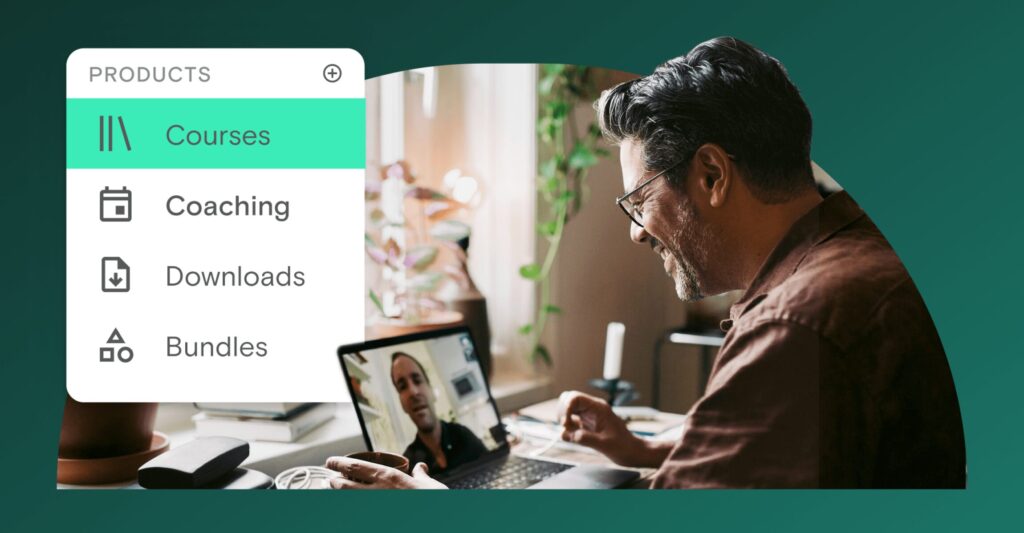
If you have real expertise in any area, turning that knowledge into an online course is a high-margin business model for UK professionals. So you record the course once and sell it to as many students as want it.
Platforms like Teachable and Kajabi are available to UK course creators and handle payments in multiple currencies. So your students can be anywhere in the world. Furthermore, UK professional credentials often carry extra weight with international audiences who associate British qualifications with quality.
According to Teachable, successful course creators earn between $1,000 and $10,000 a month. However, that range covers a wide spectrum of creators. So a UK beginner launching their first course should expect modest early sales that grow as their reviews and reputation build.
Coaching sits alongside courses as a natural extra income stream. So you offer 1-to-1 coaching sessions for clients who want personal support beyond the course. Coaching rates of $100 to $300 an hour are common for subject areas with strong demand.
5. Content Creation on YouTube or Social Media
YouTube, TikTok and Instagram are long-term platforms for UK beginners who are comfortable on camera or in short-form content. So you build an audience around a specific topic and earn through ad revenue, affiliate links, digital products and sponsorships.
The income from content creation takes longer to arrive than from blogging. However, the upside is real and significant. So established channels in strong niches earn $10,000 to $50,000 a month through a mix of income streams once their audience scales.
Furthermore, the UK YouTube audience is 1 of the most commercially valuable in the world. So a UK-based YouTube channel about personal finance or technology earns strong ad rates because the audience is exactly what advertisers want to reach.
For a step-by-step guide to the exact tools and first steps for UK beginners, the Get Started Here page is the clearest starting point available.
The UK Legal and Tax Essentials
Registering as Self-Employed with HMRC
This is the most important practical step for anyone starting an online business in the UK. Do not skip it. So if you earn money from self-employment, including freelancing, affiliate commissions or digital product sales, you must sign up with HMRC as self-employed.
You must sign up with HMRC by 5 October in the second year of trading. So if you start earning in April 2025, you must be signed up by October 2026. However, signing up early is always better.
You can sign up online through the HMRC website in around 15 minutes. It is quick and free.
The annual self-assessment tax return covers your income and expenses. So you file it once a year. You report your earnings and deduct valid business expenses such as software and equipment.
Furthermore, you only pay income tax on your profits, not on your total revenue. That is a key point. So if you earn $5,000 in a year but have $1,500 of valid business expenses, you pay tax on the $3,500 difference.

The Trading Allowance
The UK has a useful tax relief called the trading allowance. It helps beginners. So the first £1,000 of self-employment income each tax year is tax-free.
Furthermore, you do not need to declare it to HMRC if your total self-employment income for the year is below that threshold. So it is a real safety net for beginners earning very small amounts in their first months.
Sole Trader vs Limited Company
For most UK online business beginners, operating as a sole trader is the simplest and most practical legal structure. It is easy to set up. So you do not need to incorporate a company, file company accounts or deal with the extra admin that comes with limited company status.
However, once your online business generates consistent income above the higher-rate tax threshold of around £50,270, incorporating as a limited company can become more tax-efficient. Furthermore, limited company status provides liability protection as your business grows. So it is worth getting advice from a UK accountant once your income reaches a meaningful level. A good accountant will pay for themselves.
National Insurance
As a self-employed person in the UK, you pay Class 2 and Class 4 National Insurance on your profits above certain thresholds. So this is an extra cost to factor into your income planning. Furthermore, paying National Insurance protects your right to certain state benefits, including the state pension. So it is worth paying rather than trying to avoid.
The Practical Starting Plan
Week 1: Choose Your Model and Niche
Do not spend more than 1 week choosing your business model and niche. Be decisive. So think about 3 things: what you know, what interests you and what has real commercial value.

The overlap between all 3 is your starting point. That is your niche.
Furthermore, consider whether you want to target UK audiences or global English-speaking audiences. Both approaches work. So a blog about UK side hustles serves a specific audience and faces lower keyword competition.
A blog about general side hustles serves a global audience but competes with far larger sites. Both approaches work. Choose based on where you think you can win.
Week 2: Set Up Your Platform and Register with HMRC
Whatever model you choose, get your technical set-up done in week 2. Speed matters here.
So register your domain name if you are starting a blog today. Open your Etsy shop if you are selling digital products. Set up your YouTube channel if that is your chosen path.
Furthermore, set up an email marketing system from the very start. This is non-negotiable. Systeme.io offers a free plan that covers email marketing, landing pages and digital product delivery in 1 place. So you can build an email list from your very first piece of content with no separate fees.
Also, sign up with HMRC as self-employed this week. The process takes around 15 minutes, and you will receive your Unique Taxpayer Reference number within a few weeks.
For a clear guide to the exact tools and platforms for UK beginners, the Get Started Here page is the most useful starting point available.
Week 3: Publish Your First Asset
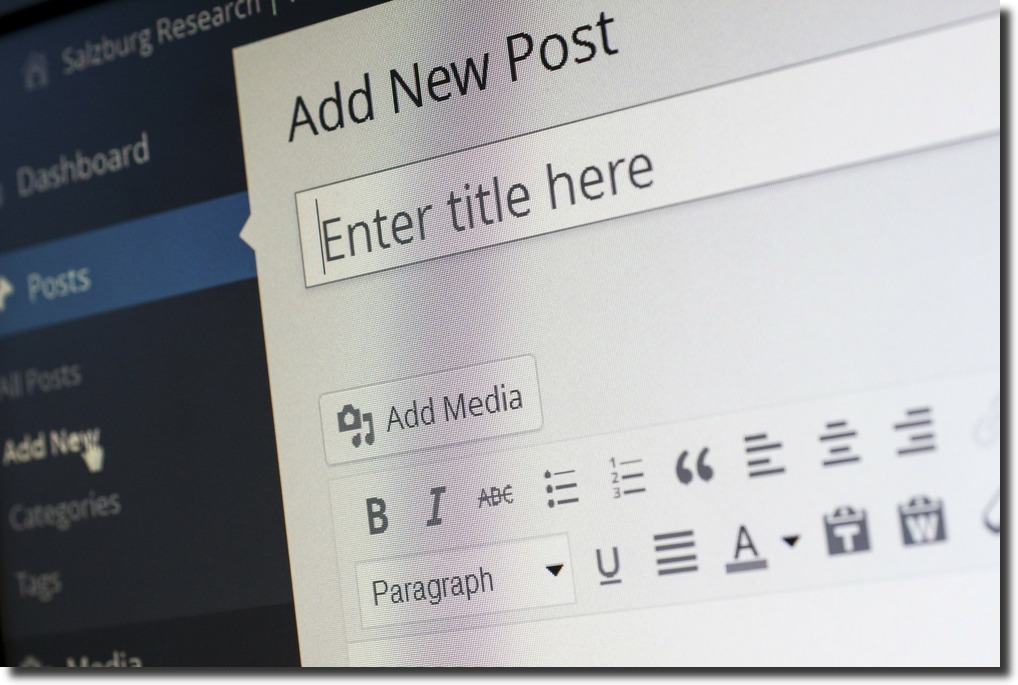
Write your first blog post, create your first product, record your first video or pitch your first freelance client this week. So do not wait until everything feels perfect.
Publish something this week. The first version of anything will not be your best. That is normal and expected.
Furthermore, the beginner who publishes 50 imperfect blog posts over 12 months will outperform the 1 who spends 12 months polishing 5 posts that never get published. So consistency beats perfection in the early stages.
Week 4 Onwards: Build and Track
From week 4 onwards, your job is to build consistently and track your progress. That is all.
So aim for 1 new blog post, 1 new product or 1 new video per week. Furthermore, keep a simple spreadsheet to record what you publish and what follows. So after 3 months, you will have real data on what is working.
For a step-by-step guide to the exact tools and first steps for UK beginners, the Get Started Here page is the clearest starting point available.
Common Mistakes UK Beginners Make
Spending Before Earning
The most common financial mistake is spending heavily on tools and subscriptions before generating any income. So many beginners spend $200 a month on software before they have earned a single dollar.
Start lean. So use free tools wherever possible in your first 3 months of building. WordPress is free to use. Canva has a strong free plan.
Systeme.io has a free plan. Etsy charges no monthly fee. Furthermore, most affiliate programmes are free to join.
There are no upfront costs. So there is very little reason to spend much before your model is proven.
Ignoring the Tax Admin
Starting an online business in the UK comes with real admin duties that most beginners underestimate. These are genuinely important. So failing to sign up with HMRC, failing to keep records and failing to file your self-assessment on time can all result in fines.
Set up a simple system from the start. It saves you a lot of stress later. So use a free spreadsheet to record every pound you earn and every valid business expense. Furthermore, set aside 20% to 30% of your online income in a separate account to cover your tax bill in January.
Targeting Everyone
The most common strategic mistake in UK online businesses is trying to appeal to a very broad audience. It produces nothing strong. So a blog that covers personal finance, cooking, travel and fitness will struggle to rank in Google because it lacks topical focus.
Pick 1 specific niche and own it. Be the go-to resource for that topic. So a blog that covers UK side hustles in depth will rank faster than a general lifestyle blog that touches on side hustles occasionally. Furthermore, owning a clear niche makes it much easier to attract the right affiliate partners as your audience grows.

Not Building an Email List
Your email list is the 1 asset that no algorithm change or platform update can take from you. That is why it matters so much.
So many UK online business owners spend years building traffic without collecting a single email address. Then an algorithm update arrives and their traffic drops. It happens regularly.
Start collecting email addresses from day 1. It is one of the best decisions you can make.
So offer a free lead magnet, such as a useful checklist or a short e-book, in exchange for a subscriber’s email address. Furthermore, even a list of 200 engaged subscribers is a meaningful business asset that drives income from every future product launch.
Realistic Income Expectations for UK Online Businesses
Months 1 to 6
Income during this phase is almost certainly zero. So expect no money, slow growth and moments of self-doubt. That is completely normal.
Furthermore, it is the phase where most UK beginners give up. So staying consistent through this period puts you ahead of the majority. Every piece of content you create and every product you list during months 1 to 6 is a long-term asset.
Months 6 to 12
This is where the first real signs of traction appear. So blog posts begin ranking in Google, Etsy listings start appearing in search, and YouTube channels start gaining subscribers.
Income during this phase might range from $50 to $500 a month, depending on your niche. Furthermore, this is when the compound effect of early work becomes visible for the first time.
So the articles you wrote in month 2 are now generating real traffic. That is the compound effect in action. Products you listed in month 1 are getting regular views and sales.

Months 12 to 24
This is where UK online businesses start to feel genuinely real. Income becomes consistent. So income in this phase for consistent bloggers and digital product sellers typically ranges from $500 to $3,000 a month. Furthermore, this is the right time to add a second income stream.
So if you started with a blog, month 12 might be the right moment to create your first digital product. The audience is there. If you started with freelancing, this might be the right moment to start building a passive income asset.
Beyond Month 24
UK online business owners who have built consistently for 2 years are in a very different financial position. So the online businesses earning $3,000 to $10,000 a month today are almost all run by people who started 2 to 4 years ago and kept going.
Furthermore, starting an online business in the UK gives you access to a truly global audience. That is a significant advantage. So your income is not capped by the size of the UK market alone. The compound effect of building an online business works the same whether you are based in London or Los Angeles.
For a step-by-step guide to the exact tools and first steps for UK beginners, the Get Started Here page is the clearest starting point available.
The Tools That Make Building Easier
For Email and Digital Products
Systeme.io covers email marketing, sales funnels and digital product delivery all in 1 free plan. So it is the most practical all-in-one starting tool for UK beginners who want to build an email list and sell digital products without paying for multiple separate subscriptions.
For Content and Writing
Rytr is an affordable AI writing tool that helps bloggers produce more content without losing their own voice. So on days when the blank page is an obstacle, Rytr generates article outlines and section drafts that you refine and personalise. Furthermore, it is useful when you are trying to maintain a consistent publishing schedule alongside a full-time job.

For Keyword Research
Knowing what people are searching for before you write a post or create a product dramatically increases the chance of being found. So tools like Jaaxy show you monthly search volumes and competition levels for any topic or keyword. Furthermore, a 30-minute keyword research session before you write can dramatically increase the return on the hours you invest.
Getting Started: Your Next Step
If you have been thinking about how to start an online business in the UK for a while but have not yet taken your first step, choose your model and act today.
So register your domain, open your Etsy shop or pitch your first freelance client. Begin something today. Furthermore, sign up with HMRC as self-employed so that your business is on the right legal footing.
For a step-by-step guide to the exact tools and first steps for UK beginners, the Get Started Here page is the clearest starting point available.
Conclusion
Knowing how to start an online business in the UK is the easier half of the challenge. Staying consistent through the slow early months is the harder half.
The models in this article work. The legal framework is simple and well-established. Furthermore, the tools are affordable.
So a consistent UK blogger can earn $2,000 to $10,000 a month from affiliate income and digital products alone. A skilled UK freelancer can earn $3,000 to $8,000 a month from client services whilst building a passive income stream.
Furthermore, the compound effect of building an online business rewards patience in a way that a salary never can. So the time you invest this month is still paying you 5 years from now.
Pick your model, sign up with HMRC, publish your first asset and build consistently. If you are asking how to start an online business in the UK, the answer is clear. You already have what you need to begin.