

The Blog That Pays You While You Sleep
If you’re researching how to start a blog with affiliate marketing, you’ve discovered one of the most powerful and sustainable ways to build online income. Unlike traditional jobs that trade your time for money, a blog combined with affiliate marketing creates assets that generate revenue 24/7. Your articles work for you whilst you sleep, bringing visitors who click your affiliate links and purchase products that earn you commissions month after month.
The statistics are compelling. According to industry surveys, successful affiliate marketing bloggers earn anywhere from £1,000 to £10,000+ monthly once they’ve built momentum. Some scale far beyond that. The beauty of this model is that it requires minimal startup costs, no inventory or shipping and complete location freedom. You can build your blog from anywhere with internet access and the income potential scales with your effort and strategy.

I’ve spent considerable time studying successful affiliate marketing blogs, implementing strategies across different niches and analysing what separates profitable blogs from those that never generate meaningful income. This comprehensive guide will show you exactly how to start your affiliate marketing blog from absolute scratch, which niche to choose for maximum profitability, how to create content that ranks in search engines and converts visitors, which affiliate programmes actually pay well and how to scale from your first £100 to a consistent four-figure monthly income.
By the end of this guide, you’ll have a complete roadmap for launching and growing your affiliate marketing blog. More importantly, you’ll understand the strategic thinking behind each decision so you can adapt as you grow rather than blindly following tactics that may become outdated.
Why Affiliate Marketing Blogs Work So Well in 2025
Before diving into the practical how-to, let’s understand why this business model remains so powerful.
Reason 1: You Own the Asset
Unlike social media followings that can disappear with algorithm changes or platform decisions, your blog is yours. You control the content, the monetisation and the audience relationship. This ownership creates real business value.
Reason 2: Search Traffic Is Consistent and Free
Once your articles rank in Google, they generate consistent traffic without ongoing advertising costs. A single well-ranking article can bring hundreds of visitors monthly for years.
Reason 3: Affiliate Marketing Requires No Product Creation
You don’t need to create products, handle inventory, manage shipping or deal with customer service. You recommend products that already exist and earn commissions when people purchase through your links.
Reason 4: Income Compounds Over Time
Each article you publish becomes a potential income generator. As you add more articles, your total traffic and income compound. Month 12 is far more profitable than month 1 because you’re benefiting from all previous work.
Reason 5: Multiple Monetisation Options
Beyond affiliate commissions, successful blogs can monetise through:
- Display advertising (Google AdSense)
- Sponsored content
- Digital products
- Coaching or consulting
- Membership sites
This diversification increases total income and reduces risk.
Step 1: Choosing Your Profitable Blog Niche
Your niche decision impacts everything that follows. Choose well and building your blog becomes easier and more profitable. Choose poorly and you’ll struggle regardless of effort.
The Profitable Niche Criteria
Criterion 1: Genuine Interest or Expertise
You’ll write hundreds of articles over time. Choose a topic you can sustain interest in for years. Passion isn’t required, but fascination or genuine expertise helps enormously.
Questions to Ask:
- Could I discuss this topic for hours without boredom?
- Do I have experience or knowledge others would value?
- Am I willing to become an expert if I’m not already?
Criterion 2: Buyer Intent Keywords Exist
Some niches have readers who browse but never buy. Others have readers actively looking to purchase. You need buyer intent.
High Buyer Intent Niches:
- Personal finance and investing
- Business and entrepreneurship tools
- Health and fitness equipment
- Technology and software
- Home improvement and DIY
- Pet care products
Low Buyer Intent Niches:
- General news and current events
- Entertainment and celebrity gossip
- Free resources and downloads
Research Method: Search “[your niche] best [product type]” or “[your niche] reviews”. If you find multiple blogs and YouTube channels in the results, buyer intent exists.
Criterion 3: Affiliate Programmes Pay Well
Not all affiliate programmes are created equal. Some pay 1-4% commissions, whilst others pay 30-60%.
High-Paying Programme Examples:
- Software as a service (SaaS): 20-50% recurring
- Digital products and courses: 30-75%
- Web hosting and tools: £50-100+ per sale
- Financial products: £10-500+ per lead or sale
Lower-Paying Programmes:
- Amazon Associates: 1-10% (volume can compensate)
- Physical retail products: 2-8% typically
Criterion 4: Search Volume and Competition Balance
You need sufficient search traffic to support your income goals, but not so much competition that ranking becomes impossible.
Sweet Spot: Niches with 10,000-500,000 monthly searches combined across related keywords and moderate competition levels.
Research Tools:
- Google Keyword Planner (free)
- Ubersuggest (free basic plan)
- Ahrefs or SEMrush (paid but powerful)
How-to-Start-a-Blog-with-Affiliate-Marketing
Recommended Niche Examples
1. Personal Finance for Millennials
- Topics: Budgeting apps, investment platforms, side hustles
- Affiliate programmes: Financial apps, investment platforms, online banks
- Competition: Moderate
- Income potential: High

2. Home Office Equipment and Productivity
- Topics: Standing desks, ergonomic chairs, productivity software
- Affiliate programmes: Amazon Associates, direct manufacturer programmes
- Competition: Moderate
- Income potential: Medium to high
3. Pet Training and Care
- Topics: Dog training courses, pet products, food recommendations
- Affiliate programmes: Chewy, Amazon, specialist pet sites
- Competition: Moderate
- Income potential: Medium
4. Digital Marketing Tools
- Topics: Email marketing software, SEO tools, social media schedulers
- Affiliate programmes: High-paying SaaS affiliates
- Competition: High
- Income potential: Very high
5. Outdoor Recreation and Camping
- Topics: Camping gear, hiking equipment, outdoor skills
- Affiliate programmes: REI, Amazon, specialist outdoor retailers
- Competition: Moderate
- Income potential: Medium
If you’re feeling overwhelmed by niche selection and want guidance on choosing the perfect niche that aligns with your skills and market opportunities, I’ve created a comprehensive resource that walks through the complete decision-making framework at how to make money from home online.
Step 2: Setting Up Your Blog the Right Way
Technical setup doesn’t need to be complicated. Here’s the streamlined approach.
Choosing Your Blogging Platform
WordPress.org (Recommended)
Why It’s Best:
- Powers 43% of all websites globally
- Complete ownership and control
- Thousands of plugins and themes
- SEO-friendly architecture
- Scales from beginner to enterprise
Cost: Free software but requires hosting (£3-10/month)
Alternatives:
- WordPress.com: Easier but less control
- Wix or Squarespace: Beginner-friendly but limited for SEO
- Medium: Zero setup, but no monetisation control
Verdict: For affiliate marketing blogs, self-hosted WordPress.org is the standard for good reason.
Selecting Web Hosting
Your hosting provider impacts site speed, uptime and security.
Beginner-Friendly Options:
Bluehost (£2.75-5/month)
- Official WordPress recommendation
- Free domain for the first year
- One-click WordPress installation
- 24/7 support
- 30-day money-back guarantee
SiteGround (£3-7/month)
- Excellent speed and support
- Daily backups included
- Free SSL certificate
- WordPress optimised
Hostinger (£2-4/month)
- Most affordable quality hosting
- Good performance
- Easy WordPress setup
Setup Process:
- Visit the chosen hosting provider
- Select a WordPress hosting plan
- Choose or transfer a domain name
- Complete purchase
- Follow the automated WordPress installation
- Access the WordPress dashboard
Time Required: 15-30 minutes
Choosing Your Domain Name
Your domain is your online address. Choose strategically.
Best Practices:
Make It Memorable: Short, pronounceable and easy to spell
Include Keywords (Optional): “TechGadgetReviews.com” signals a niche, but “JohnSmith.com” works too
Use .com Extension: .com is the most trusted and memorable. .co.uk works for UK-focused sites.
Avoid:
- Hyphens or numbers
- Trademarked terms
- Overly long names
Example Good Domains:
- FitPetAdvice.com
- SmartHomeLabs.com
- ThriftyTravelGuide.co.uk
Cost: £10-15 annually (often free first year with hosting)
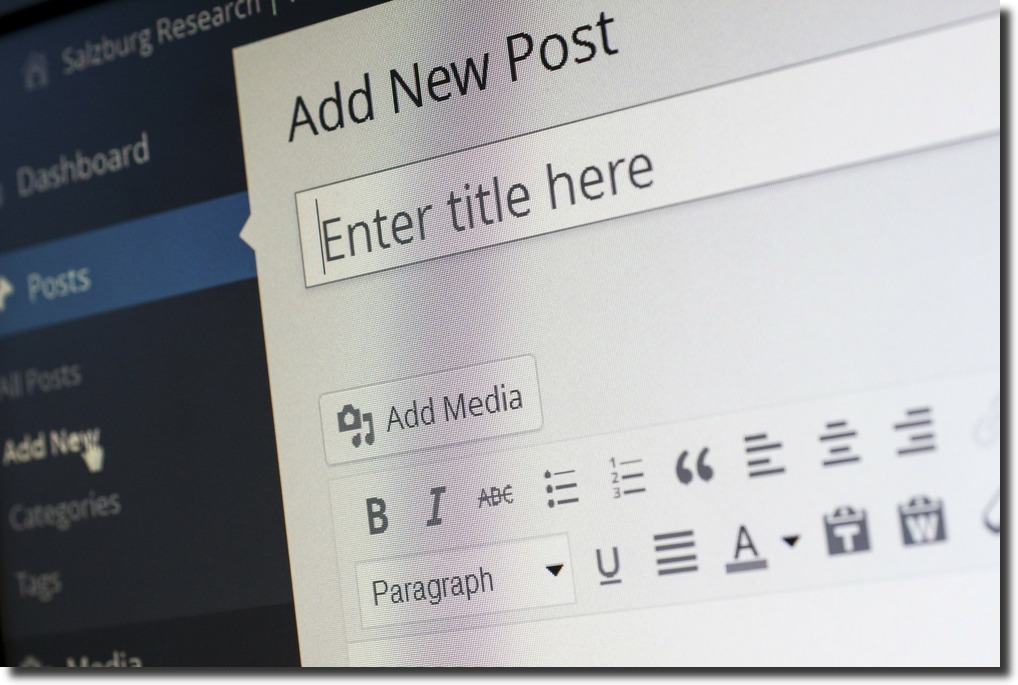
Installing Essential WordPress Plugins
Plugins extend WordPress functionality. Install these immediately:
Yoast SEO or Rank Math Purpose: Optimise content for search engines. Why: Guides you to better-ranking articles
Pretty Links Purpose: Manage and cloak affiliate links. Why: Creates professional, trackable links
MonsterInsights or Site Kit Purpose: Google Analytics integration. Why: Track traffic and understand the audience
WP Rocket or W3 Total Cache Purpose: Speed optimisation. Why: Fast sites rank better and convert more
Wordfence or Sucuri Purpose: Security protection. Why: Protects from hackers and malware
Installation: Dashboard → Plugins → Add New → Search → Install → Activate
If You Prefer an All-In-One Solution That Takes Care of All The Above, You’ll Find It Here
Step 3: Joining the Right Affiliate Programmes
You need products to promote. Join programmes strategically.
Understanding Affiliate Programme Types
Network Programmes
One account accesses thousands of merchants.
Major Networks:
- ShareASale: Diverse merchants, reliable payments
- CJ Affiliate (Commission Junction): Premium brands
- Rakuten Advertising: Large brands
- Awin: UK and European focus
- Amazon Associates: Enormous product selection, lower commissions
Benefits: Variety, consolidated payments, established tracking
Individual Merchant Programmes
Direct relationships with specific companies.
Examples:
- Bluehost Affiliate Programme (web hosting)
- ConvertKit Affiliate Programme (email marketing)
- Teachable Affiliate Programme (course platforms)
Benefits: Often higher commissions, better support, promotional materials
High-Paying Programme Recommendations by Niche
Technology/Software:
- Bluehost: £50-70 per sale
- Kinsta Hosting: £50-500 per sale
- SEMrush: £200 per sale
- ConvertKit: 30% recurring commissions
- Leadpages: 30% recurring
Finance:
- Credit cards: £50-200+ per approved application
- Investment platforms: £50-500+ per account
- Insurance comparison: £10-100+ per quote
Health/Fitness:
- Supplement brands: 10-30% per sale
- Fitness equipment: 5-15% per sale
- Online fitness programmes: 30-50% per sale
Business/Entrepreneurship:
- Online course platforms: 30-50% recurring
- Productivity tools: 20-40% recurring
- Business coaching: £100-500+ per sale
Application Best Practices
Prepare Before Applying:
- Have 5-10 quality articles published
- Create “About” and “Contact” pages
- Write clear disclosure statements
- Build a professional appearance
Application Tips:
- Be honest about traffic (many accept beginners)
- Explain the promotional strategy clearly
- Highlight any relevant audience or expertise
- Apply to multiple programmes simultaneously
Approval Timeline: Instant to 7 days typically. Some premium programmes require established blogs.
Step 4: Creating Content That Ranks and Converts
Content is your primary asset. Quality matters enormously.
The Content Types That Drive Affiliate Income
Product Review Articles
Structure:
- Introduction establishing credibility
- Detailed product analysis (features, benefits, drawbacks)
- Comparison to alternatives
- Real-world testing results
- Honest pros and cons
- Clear recommendation
- Affiliate link with call to action
Example Title: “Bluehost Review 2025: I Tested for 90 Days (Honest Results)”

Conversion Rate: High (buyer intent keywords)
Best Practices:
- Actually test products when possible
- Include photos and screenshots
- Address specific objections
- Compare to alternatives fairly
- Include affiliate disclosure
Comparison Articles
Structure:
- Introduction explaining the comparison purpose
- Side-by-side feature comparison
- Pricing analysis
- Best use cases for each option
- Clear winner recommendations
- Links to both options
Example Title: “Bluehost vs SiteGround: Which Host Is Better for Beginners?”
Conversion Rate: Very high (late-stage research)
Best Practices:
- Create comparison tables
- Be genuinely balanced
- Consider different user needs
- Include actual experience with both
Best Of Lists
Structure:
- Introduction establishing expertise
- 5-10 products with individual analysis
- Quick recommendation summary
- Detailed breakdown of each
- Buying guide section
Example Title: “7 Best Standing Desks for Home Offices (Tested and Reviewed)”
Conversion Rate: High (commercial intent)
Best Practices:
- Test products personally when possible
- Include diverse price points
- Explain the selection criteria
- Update annually for freshness
How-To Guides with Product Recommendations
Structure:
- Problem identification
- Step-by-step solution process
- Tools and products needed (affiliate links)
- Common mistakes to avoid
- Results and outcomes
Example Title: “How to Build an Email List from Zero to 1,000 in 90 Days”
Conversion Rate: Medium (educational but includes buying)
Best Practices:
- Provide genuine value beyond affiliate links
- Recommend products naturally within the process
- Don’t force products into content
- Build trust before selling
Writing for SEO (Search Engine Optimisation)
Keyword Research Process:
- Identify the main topic
- Use Google Keyword Planner or Ubersuggest
- Find keywords with:
- Decent search volume (500-10,000+ monthly)
- Manageable competition
- Commercial intent
- Check Google results to assess difficulty
- Look for keywords where similar-sized blogs rank

On-Page SEO Checklist:
- [ ] Target keyword in title
- [ ] Target keyword in first 100 words
- [ ] Target keyword in at least one subheading
- [ ] Related keywords throughout naturally
- [ ] Meta description compelling and keyword-rich
- [ ] Alt text on images including keywords
- [ ] Internal links to other relevant articles
- [ ] External links to authoritative sources
- [ ] URL slug short and keyword-focused
- [ ] Content length 1,500-3,000+ words
Content Length Guidance:
According to research from Backlinko, the average first-page Google result contains 1,447 words. Longer, comprehensive content tends to rank better for competitive keywords.
If You Prefer an All-In-One Solution To Start a Profitable Online Business, You’ll Find It Here
Recommendation:
- Product reviews: 2,000-3,000 words
- Comparison articles: 1,500-2,500 words
- Best-of lists: 2,500-4,000 words
- How-to guides: 1,500-3,000 words
The Disclosure Requirement
Legally and ethically, you must disclose affiliate relationships.
Effective Disclosure Example:
“This article contains affiliate links. If you purchase through my links, I earn a commission at no additional cost to you. I only recommend products I’ve researched thoroughly and believe provide genuine value. Read my full disclosure policy here.”
Placement:
- Top of every article with affiliate links
- On the dedicated disclosure page linked in the footer
- Near affiliate links if not at the top
Why This Matters: FTC requires disclosure. Transparency builds trust. Proper disclosure actually increases conversions by demonstrating honesty.
If you’re wondering how to balance content creation with the strategic planning required to build a truly profitable blog, I’ve put together a detailed roadmap covering exactly how to structure your content calendar and prioritise the highest-impact activities at how to make money from home online.
Step 5: Driving Traffic to Your New Blog
Content is useless without readers. Here’s how to build traffic.
Strategy 1: Search Engine Optimisation (Long-Term Foundation)
SEO provides consistent free traffic but takes time.
Timeline Expectations:
- Months 1-3: Minimal traffic
- Months 4-6: First rankings appear
- Months 7-12: Accelerating growth
- Month 12+: Significant organic traffic
Accelerating SEO Success:
Publish Consistently: 2-4 articles weekly in the first 6 months builds momentum.
Target Long-Tail Keywords Initially: Instead of “best laptops” (impossible to rank), target “best laptop for graphic design under £1000” (achievable).
Build Internal Links: Link related articles together. This helps Google understand site structure and distributes ranking power.
Earn Backlinks: Other sites linking to yours boost authority. Strategies:
- Create genuinely valuable resources others want to reference
- Guest post on established blogs
- Participate in niche communities
- Reach out to bloggers covering similar topics
Strategy 2: Pinterest Marketing (Fast Visual Traffic)
Pinterest works exceptionally well for certain niches.
Best Performing Niches:
- Home and interior design
- Fashion and beauty
- Food and recipes
- DIY and crafts
- Travel
- Parenting and family

Pinterest Strategy:
- Create a business account
- Verify website
- Design vertical pins (1000×1500 pixels) using Canva
- Create 3-5 pins per blog post
- Write keyword-rich pin descriptions
- Join relevant group boards
- Pin consistently (5-15 pins daily)
Expected Results: With consistent effort, Pinterest can drive 1,000-10,000+ monthly visitors within 3-6 months.
Strategy 3: Social Media Promotion (Engagement-Based Traffic)
Platform Selection:
Instagram: Visual niches, lifestyle content, personal brands
Facebook: Broad audiences, community building, group engagement
Twitter: News, technology, thought leadership
LinkedIn: B2B content, professional development, business topics
Strategy:
- Share new articles when published
- Create native content providing value
- Engage genuinely with the community
- Don’t just broadcast; participate
- Use relevant hashtags strategically
Reality Check: Social media drives initial traffic, but SEO provides sustainable long-term growth. Use social media to jumpstart whilst SEO develops.
Strategy 4: Email List Building (Owned Audience)
Build an email list from day one.
Why It Matters:
- You own the relationship
- Email subscribers are highly engaged
- Promote new content directly
- Higher conversion rates than cold traffic
Implementation:
Create Lead Magnet: Free valuable resource in exchange for email.
Examples:
- Checklists or cheat sheets
- Email mini-courses
- Resource libraries
- Exclusive guides
- Templates or toolkits
Add Opt-In Forms:
- Sidebar
- End of blog posts
- Pop-up (use ethically)
- Dedicated landing page
Email Service Providers:
- ConvertKit (£9-29/month, creator-focused)
- MailChimp (free up to 500 subscribers)
- Mailerlite (free up to 1,000 subscribers)
Email Strategy:
- Welcome sequence introducing yourself
- Weekly valuable content
- Occasional affiliate promotions
- Balance 80% value with 20% promotion
Strategy 5: Paid Advertising (Advanced Acceleration)
Not recommended for beginners, but powerful once profitable.
When to Consider Paid Ads:
- Proven content converts
- Positive ROI on organic traffic
- Ready to invest £300-1,000+ testing budget
Platforms:
- Google Ads: Target high-intent keywords
- Facebook Ads: Detailed demographic targeting
- Pinterest Ads: Visual product promotion
Caution: Don’t run ads until you’ve validated your blog converts organic traffic profitably. Ads amplify success; they don’t create it.
If You Prefer an All-In-One Solution To Start a Profitable Online Business, You’ll Find It Here
Step 6: Monetisation Strategies Beyond Affiliate Marketing
Diversify income for stability and growth.
Additional Income Stream 1: Display Advertising
How It Works: Ads appear on your site. You earn per 1,000 impressions or per click.
Major Networks:
Google AdSense
- Easiest approval
- Lower earnings per visitor
- Payment: £0.20-2 per 1,000 visitors typically
Mediavine
- Requires 50,000 monthly sessions
- Higher earnings
- Payment: £15-25 per 1,000 visitors
AdThrive
- Requires 100,000 monthly page views
- Highest earnings
- Payment: £20-30+ per 1,000 visitors
When to Add: Once reaching 10,000+ monthly visitors. Before that, focus on affiliate income and building traffic.
Additional Income Stream 2: Sponsored Content
How It Works: Companies pay you to write articles featuring their products.
Typical Rates:
- New blogs (5,000-10,000 visitors): £50-150 per post
- Growing blogs (25,000-50,000 visitors): £200-500 per post
- Established blogs (100,000+ visitors): £500-2,000+ per post
Finding Sponsors:
- Join influencer networks (IZEA, AspireIQ)
- Reach out to relevant brands directly
- Add “Work With Me” page to blog
- Participate in brand campaigns
Disclosure: Always clearly label sponsored content.
Additional Income Stream 3: Digital Products
Create and sell your own products.
Product Ideas:
- Comprehensive guides or ebooks
- Online courses
- Templates and resources
- Printables
- Membership communities
Advantages:
- Higher profit margins (70-95%)
- Complete control
- Positions you as an authority
- Recurring revenue potential (memberships)
Implementation: Use platforms like Gumroad, Teachable or Systeme.io for selling and delivery.
Additional Income Stream 4: Consulting or Services
Leverage blog authority to sell high-ticket services.
Service Examples:
- Coaching or consulting
- Done-for-you implementation
- Strategy sessions
- Audits and reviews
- Freelance services
Pricing: £50-500+ per hour, depending on niche and positioning
Benefits:
- Immediate income (no waiting for traffic)
- High profit margins
- Personal fulfilment from helping clients
- Testimonials for blog credibility
For readers who want to understand how to weave all these monetisation strategies together into a coherent business plan that maximises income whilst minimising overwhelm, the framework I’ve developed at how to make money from home online provides that strategic overview.
Step 7: Tracking Performance and Optimising Results
Measurement enables improvement.
Essential Metrics to Monitor
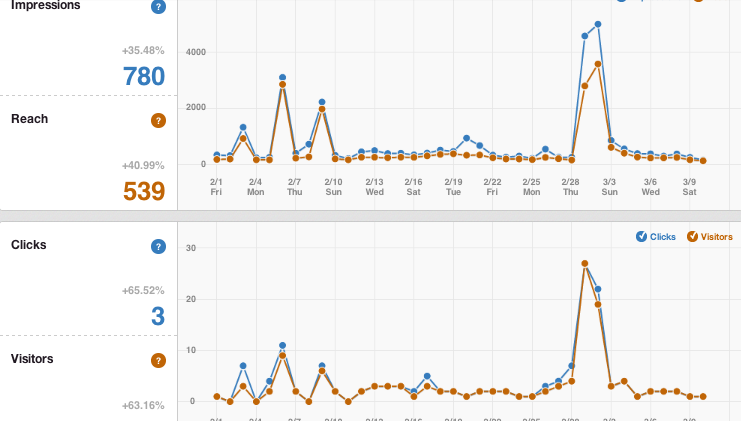
Metric 1: Organic Traffic Growth
What to Track: Monthly visitors from search engines
Tool: Google Analytics or Google Search Console
Target: 10-20% monthly growth in first year
If Below Target:
- Publish more frequently
- Improve content quality
- Build more backlinks
- Target easier keywords
Metric 2: Affiliate Click-Through Rate (CTR)
What to Track: Percentage of visitors clicking affiliate links
Calculation: (Affiliate clicks ÷ Total visitors) × 100
Benchmark: 3-8% is typical for affiliate blogs
If Below Benchmark:
- Make CTAs more prominent
- Increase link placement
- Improve content relevance
- Use buttons instead of text links
Metric 3: Affiliate Conversion Rate
What to Track: Percentage of clicks that become sales
Calculation: (Sales ÷ Affiliate clicks) × 100
Benchmark: 1-5% depending on niche and product
If Below Benchmark:
- Review product selection (is it good?)
- Check traffic quality (right audience?)
- Improve content trust signals
- Test different affiliate programmes
Metric 4: Revenue Per 1,000 Visitors (RPM)
What to Track: Income generated per 1,000 visitors
Calculation: (Total earnings ÷ Total visitors) × 1,000
Benchmarks:
- Beginner affiliate sites: £5-15 RPM
- Established affiliate sites: £20-50 RPM
- Highly optimised sites: £50-100+ RPM
Improving RPM:
- Promote higher-commission products
- Add display advertising
- Optimise affiliate placement
- Create better-converting content
A/B Testing for Optimisation
Test variations to improve performance.
Elements to Test:
Headlines: Try different emotional appeals, numbers or questions
CTA Buttons: Test text, colour, size and placement
Affiliate Link Placement: Early in article vs. end vs. both
Content Length: Longer comprehensive vs. shorter focused
Pin Designs: Different images, text overlays and colours
Implementation: Make one change at a time. Track for 30 days. Compare results. Implement the winner permanently.
If You Prefer an All-In-One Solution To Start a Profitable Online Business, You’ll Find It Here
Common Mistakes That Kill Affiliate Marketing Blogs
Learn from others’ failures to accelerate your success.
Mistake 1: Choosing a Niche Based Solely on Profit Potential
The Problem: Writing about topics you hate leads to burnout and poor-quality content.
Solution: Choose profitable niches you can sustain interest in for years. Passion isn’t required, but fascination helps.
Mistake 2: Promoting Products You Haven’t Researched
The Problem: Recommending poor products damages credibility and generates refunds that negate commissions.
Solution: Research thoroughly. Read user reviews. Test products personally when possible. Only promote quality you’d recommend to family.
Mistake 3: Giving Up Before SEO Momentum Builds
The Problem: Most beginners quit at month 3-6 right before rankings and traffic accelerate.
Solution: Set realistic 12-month timeline expectations. Celebrate small wins. Focus on consistency over perfection. According to research from Ahrefs, only 5.7% of pages rank in the top 10 within their first year, but those that persist see exponential growth after the initial plateau.
Mistake 4: Neglecting Email List Building
The Problem: Relying solely on search traffic means starting from zero each day. Algorithm changes can devastate traffic overnight.
Solution: Build an email list from day one. Promote opt-in offers prominently. Email subscribers regularly. Your list is the asset you truly own.
Mistake 5: Creating Thin, Low-Value Content
The Problem: Short, superficial articles don’t rank and don’t convert.
Solution: Create comprehensive resources that genuinely help readers. Aim for the best article on each topic you cover. Quality beats quantity for long-term success.
Mistake 6: Improper Disclosure
The Problem: Hidden affiliate relationships violate FTC regulations and damage reader trust.
Solution: Clearly disclose affiliate relationships at the article’s top and near links. Transparency builds trust and is legally required.
Mistake 7: Ignoring Mobile Experience
The Problem: Over 60% of web traffic comes from mobile. Poor mobile experience kills conversions.
Solution: Test blog on actual mobile devices. Ensure:
- Text is readable without zooming
- Buttons are easily tappable
- Images load quickly
- Navigation is simple
Timeline and Income Expectations
Realistic expectations prevent premature quitting.
Month-by-Month Progression
Months 1-3: Foundation Building
Activities:
- Set up blog and essential pages
- Join affiliate programmes
- Publish 20-40 articles
- Start email list
- Begin social media presence
Traffic: 100-1,000 monthly visitors Income: £0-50
Mindset: This is the building phase. Focus on learning and consistency.
Months 4-6: Early Momentum
Activities:
- Publish 30-60 more articles
- First rankings appear
- Refine content strategy based on data
- Build backlinks
- Grow email list to 100-500 subscribers
Traffic: 1,000-5,000 monthly visitors Income: £50-300
Mindset: Traffic accelerates. First real commissions are an exciting validation.
Months 7-12: Acceleration
Activities:
- Content compound effect kicks in
- Multiple articles ranking well
- Consistent publishing schedule
- Established backlink profile
- Email list 500-2,000 subscribers
Traffic: 5,000-25,000 monthly visitors Income: £300-2,000
Mindset: You’re building a real business. Systems and processes become crucial.
Year 2: Scaling and Optimisation
Activities:
- Focus on the highest-converting content types
- Outsource content creation selectively
- Add additional monetisation streams
- Update and optimise top performers
- Consider paid advertising
Traffic: 25,000-100,000+ monthly visitors Income: £2,000-10,000+
Mindset: Shift from doer to strategist. Scale what works.

For those who want a detailed month-by-month action plan that removes the guesswork from this timeline and tells you exactly what to do each week to stay on track toward profitability, I’ve created that precise roadmap at how to make money from home online.
Advanced Strategies for £5K+/Month Blogs
Once you’ve established a foundation, these strategies accelerate growth.
Advanced Strategy 1: Content Clustering
What It Is: Creating interconnected groups of articles around core topics.
Implementation:
Pillar Content: Comprehensive guide on a broad topic (e.g., “Complete Guide to Email Marketing”)
Cluster Content: Detailed articles on specific subtopics:
- “Best Email Marketing Software for Beginners”
- “How to Write Email Subject Lines That Get Opened”
- “Email List Building Strategies That Work”
- “Email Automation Workflows to Set Up Today”
All cluster articles link to the pillar. Pillar links to all clusters.
Benefits:
- Improved rankings through topical authority
- Better user experience
- Increased time on site
- More internal link equity distribution
If You Prefer an All-In-One Solution To Start a Profitable Online Business, You’ll Find It Here
Advanced Strategy 2: Updating and Republishing Old Content
What It Is: Refreshing older articles with new information and republishing.
Process:
- Identify articles with traffic decline
- Update statistics and examples
- Add new sections with fresh information
- Improve readability and formatting
- Add or update images
- Change the publish date to the current date
- Promote as new content
Expected Results: 30-100% traffic increase to updated articles. Some reach new ranking highs.
Advanced Strategy 3: Strategic Paid Traffic Testing
When to Start: After proving organic traffic converts profitably.
Approach:
Test Small: £5-10/day initially on best-performing articles
Track Meticulously: Know the exact cost per visitor and conversion rate
Scale Gradually: Increase spending only on profitable campaigns
Platforms:
- Google Ads for high-intent searches
- Facebook Ads for audience targeting
- Pinterest Ads for visual niches
Advanced Strategy 4: Building Affiliate Partnerships
What It Is: Negotiating higher commissions or special deals with merchants.
When You Have Leverage:
- Generating consistent sales for the affiliate
- Significant influence in the niche
- Large audience
Negotiation Approach:
Email: “Hi [Affiliate Manager Name], I’ve referred [X] sales generating £[Y] in revenue for you over [Z] months. I’d like to discuss increasing my commission rate or creating exclusive offers for my audience.”
Potential Wins:
- Higher commission rates (30% → 40%)
- Exclusive coupon codes (increase conversions)
- Extended cookie windows (30 → 90 days)
- Promotional support from the merchant
Advanced Strategy 5: Creating Comparison Tools and Calculators
What It Is: Interactive tools that help visitors make decisions.
Examples:
- Hosting comparison tool
- Mortgage calculator
- Fitness goal calculator
- Product comparison matrices
Benefits:
- High engagement and time on site
- Excellent backlink magnets
- Differentiation from competitors
- Premium content upgrades
Implementation: Hire a developer on Upwork or Fiverr (£100-500 typically) or use no-code tools like Typeform or JotForm.
If you’re ready to implement these advanced strategies but want guidance on which ones to prioritise based on your current traffic level and niche, the strategic framework at how to make money from home online helps you make those decisions with clarity.
Legal and Ethical Considerations
Protect yourself and build trust.
Legal Requirement 1: Affiliate Disclosure
Law: FTC requires clear disclosure of affiliate relationships.
Compliant Disclosure: “This post contains affiliate links, which means I may receive a commission if you click a link and purchase something. This comes at no additional cost to you.”
Placement:
- Top of articles with affiliate links
- Dedicated disclosure page
- Near affiliate links
Legal Requirement 2: Privacy Policy
Required Because: You collect data (emails, analytics)
Must Include:
- What data do you collect
- How you use data
- Third parties with data access (email provider, analytics)
- User rights regarding their data
- Contact information
GDPR Compliance: If serving EU visitors, ensure GDPR compliance including:
- Clear consent mechanisms
- Right to data deletion
- Secure data storage
Solution: Use privacy policy generators or hire a lawyer. Update when changing data practices.

Legal Requirement 3: Terms and Conditions
Protects You: Limits liability and sets usage expectations
Should Cover:
- Acceptable use of the site
- Disclaimer of warranties
- Limitation of liability
- Copyright and intellectual property
Ethical Practice: Honest Recommendations
Beyond Legal Requirements:
Only Promote Quality: Don’t recommend poor products just for commissions.
Disclose Limitations: Be honest about product weaknesses.
Update Reviews: If product quality declines, update reviews or remove recommendations.
Prioritise Reader Benefit: Your long-term success depends on trust. Short-term commission gains aren’t worth damaged credibility.
If You Prefer an All-In-One Solution To Start a Profitable Online Business, You’ll Find It Here
Tools and Resources to Accelerate Success
Essential Tools
Keyword Research:
- Google Keyword Planner (free)
- Ubersuggest (free limited plan)
- Ahrefs (£99+/month, comprehensive)
SEO Analysis:
- Google Search Console (free, essential)
- Yoast or Rank Math WordPress plugin (free versions available)
Link Management:
- Pretty Links (free WordPress plugin)
- ThirstyAffiliates (paid, more features)
Design:
- Canva (free, pro £10/month)
- Adobe Express (free basic plan)
Email Marketing:
- ConvertKit (£9+/month)
- MailerLite (free up to 1,000 subscribers)
Analytics:
- Google Analytics (free)
- MonsterInsights WordPress plugin (simplifies GA)
Educational Resources
Blogs to Follow:
- Smart Passive Income (Pat Flynn)
- Authority Hacker
- Niche Pursuits
- Income School
Courses:
- Authority Hacker Pro (comprehensive but pricey)
- Income School Project 24 (beginner-friendly)
- Niche Site Project (case study approach)
Communities:
- Reddit: r/juststart, r/AffiliateMarketing
- Facebook: Various niche-specific groups
- Forums: Warrior Forum, AffiliateFix
Conclusion: Your Affiliate Marketing Blog Journey Starts Now
Throughout this comprehensive guide on how to start a blog with affiliate marketing, we’ve covered everything from niche selection through content creation to traffic generation and advanced scaling strategies. The path is clear and the opportunity is real. Thousands of people worldwide generate substantial income through affiliate marketing blogs. Many started exactly where you are now: with no experience, limited budget and plenty of uncertainty.
The key insights that separate successful affiliate bloggers from those who fail are these: choose a niche that balances profitability with sustainable interest, commit to publishing consistently for at least 12 months before evaluating success, create genuinely helpful content that serves readers first and sells second, build an email list from day one as your owned asset, diversify traffic sources whilst focusing primarily on SEO for long-term sustainability and maintain ethical standards that build trust and protect your reputation.

Your implementation path should prioritise action over perfection. Start with the fundamentals outlined in this guide: register your domain and hosting this week, install WordPress and essential plugins within days, join your first affiliate programmes immediately, publish your first article by the end of this week and commit to a consistent publishing schedule of 2-4 articles weekly for the next six months minimum.
If You Prefer an All-In-One Solution To Start a Profitable Online Business, You’ll Find It Here
The businesses generating £3,000-10,000+ monthly from affiliate marketing blogs didn’t start with any advantages you don’t have access to. They started with an idea and the willingness to work consistently toward a goal despite uncertainty and inevitable setbacks. The difference between aspiration and achievement is simply taking action despite imperfect knowledge and persisting through the difficult middle months when traffic is growing slowly and income seems distant.
If you’re feeling overwhelmed by the scope of everything we’ve covered, that’s completely normal. Building a profitable blog is a significant undertaking that compounds over time. The good news is you don’t need to implement everything simultaneously. Focus this month on setup and the first 10 articles. Focus next month on the next 10-20 articles and refining your process. Focus the following months on scaling what’s working and optimising what isn’t.
For readers who want ongoing guidance through every stage of this journey, from initial setup through the first £100 to a consistent four-figure monthly income, I’ve created the most comprehensive resource available at how to make money from home online. It provides the detailed month-by-month roadmap, strategic frameworks for decision-making and the support structure that transforms aspiration into achievement. This guide you’ve just read provides the foundation. That resource provides the ongoing coaching to ensure you actually build on that foundation successfully.
The only thing standing between you and a profitable affiliate marketing blog is the decision to start and the commitment to persist. Every successful affiliate marketer had a day one where they knew nothing and felt uncertain. They succeeded because they started anyway and refused to quit when results came slowly. Your day one can be today. Your first article can be written this week. Your first commission can arrive within months. Your financial freedom can become a reality within 1-2 years if you commit to the process.
Stop researching and start building. Choose your niche today. Register your domain this week. Publish your first article by the weekend. The blog that eventually pays you £3,000+ monthly begins with that first imperfect article published whilst you’re still figuring things out. Your future income is waiting for you to create it. Start now.