Step-by-step Guide Covering Lead Magnets, Landing Pages, Traffic and List Growth Tactics.
If you’re trying to figure out how to build email list from scratch, you’re probably at that frustrating stage where every marketing article tells you to “just build your email list” without explaining the actual mechanics of getting strangers on the internet to voluntarily hand over their email addresses. You understand that email lists are valuable and that successful online businesses are built on them, but the gap between “email lists are important” and “I now have 1,000 subscribers” feels impossibly wide. You’re starting from zero subscribers, no existing audience and probably a limited budget for fancy tools or advertising.
The challenge of building an email list from nothing is compounded by the fact that people are increasingly protective of their inboxes. Between spam, promotional overload and privacy concerns, convincing someone to subscribe requires offering genuine value and building trust immediately. You can’t just throw up a “subscribe to my newsletter” box and expect results. Modern list building requires strategy, understanding your audience’s needs and creating compelling reasons for people to join your list rather than simply ignoring you like they ignore the dozens of other subscription requests they see daily.
This comprehensive guide walks you through every step of how to build an email list from scratch, from choosing the right email platform and creating irresistible lead magnets to driving targeted traffic and nurturing relationships with subscribers. Whether you’re building a list for a blog, e-commerce business, consulting practice or any other online venture, you’ll find practical, actionable strategies that work even when you’re starting with absolutely nothing.

Why Email Lists Matter More Than Ever
Before diving into tactics, let’s establish why building an email list should be your top priority as an online entrepreneur.
You Own Your Email List
Social media platforms come and go. Algorithms change overnight, decimating your organic reach. Your Instagram account could be banned tomorrow, your Facebook page’s visibility could drop to nothing and that TikTok following you’ve built could disappear if the platform becomes the next MySpace. But your email list? You own it completely.
When you have someone’s email address:
- You can reach them directly without algorithmic interference
- Platform changes don’t affect your ability to communicate
- You’re not dependent on any company’s rules or whims
- You can export your list and take it anywhere
- You maintain the relationship regardless of external factors
This ownership is invaluable. Your email list is an asset you control completely.
Email Converts Better Than Any Other Channel
Despite predictions of email’s death for over a decade, it remains the highest-converting marketing channel by substantial margins:
- Email marketing averages $42 return for every $1 spent
- Email converts 3-5x better than social media
- People are 6x more likely to click through email than Twitter
- 60% of consumers prefer receiving promotional content through email
- 80% of businesses report email as their primary customer acquisition channel
These numbers persist because email is personal, permission-based and action-oriented. When someone gives you their email address, they’re explicitly asking to hear from you. That permission is powerful.
Email Enables Relationship Building
Social media is designed for broadcasting and scrolling. Email is designed for conversation and depth. Through consistent, valuable email communication, you can:
- Share longer-form content without character limits
- Tell stories that build authentic connection
- Demonstrate expertise over time
- Nurture cold subscribers into warm customers
- Stay top-of-mind without being intrusive
- Provide real value consistently
The businesses with the strongest customer relationships typically have the most engaged email lists. There’s a direct correlation between list quality and business success.
Email Lists Compound Over Time
Unlike paid advertising, where you pay for each impression forever, email lists are assets that appreciate. Each new subscriber adds to your total reach. An email list of 10,000 engaged subscribers might generate $5,000-50,000 monthly in revenue,e depending on your business model and list engagement. That same list continues performing month after month without additional acquisition costs.
The compounding effect means starting matters today. A list built over two years will always be larger than one built over one year, assuming consistent effort.
Choosing Your Email Marketing Platform
The first practical step in how to build an email list from scratch is selecting the right email marketing platform. This foundation determines what’s possible as you grow.
Essential Features to Look For
Don’t get overwhelmed by feature lists. Focus on essentials:
- Reliable deliverability: Emails must actually reach inboxes, not spam folders
- Easy list management: Adding, removing and segmenting subscribers
- Automation capabilities: Welcome sequences, triggered emails based on behaviour
- Forms and landing pages: Tools to capture email addresses
- Analytics and tracking: Open rates, click rates, subscriber growth
- Integrations: Connect with your website, ecommerce platform and other tools
- Reasonable pricing: Costs that scale sustainably with list growth
Budget-Friendly Options for Beginners
When starting from scratch, cost matters. Here are realistic options:
Systeme.io: Free to $97/month
- Free plan includes: Up to 2,000 contacts, unlimited email sends, landing pages, automation
- Why it’s excellent: Genuinely functional free tier, unlimited sends (most platforms limit)
- Best for: Absolute beginners wanting to test without financial commitment
Systeme.io stands out because it sends out unlimited emails on all plans (even free), eliminating the anxiety of watching every email you send. Most platforms charge based on sends, making frequent communication expensive. For detailed comparison of all-in-one platforms: Systeme.io: The All-in-One Platform That Actually Delivers
Mailchimp: Free to $350+/month
- Free plan includes: Up to 500 contacts, 1,000 monthly sends
- Limitations: Very restrictive free tier, limits increase quickly
- Best for: Extreme beginners with tiny lists
ConvertKit: $25-100+/month
- No free tier: Starts at 300 subscribers
- Strengths: Excellent for creators, intuitive automation
- Best for: Bloggers, course creators, content businesses
GetResponse: $19-99/month
- Includes: Email, landing pages, webinars (higher tiers)
- Strengths: Good feature set for price
- Best for: Small businesses wanting comprehensive tools
MailerLite: Free to $100+/month
- Free plan includes: Up to 1,000 subscribers, 12,000 monthly emails
- Strengths: Generous free tier, good interface
- Best for: Growing lists on tight budgets
My Recommendation for Most Beginners
Start with Systeme.io’s free plan. Here’s why:
- Zero financial risk while learning
- Unlimited email sends mean you can communicate frequently without worrying about costs
- Includes a landing page builder for capturing subscribers
- Automation features for welcome sequences
- Can grow to 2,000 subscribers before paying anything
- Upgrade path is affordable ($27/month for 5,000 contacts)
Once you’ve validated your business model and are consistently growing your list, you can evaluate whether to stay with Systeme.io or migrate to specialised tools. But for learning how to build an email list from scratch, removing financial barriers lets you focus on execution rather than worrying about costs.
Creating Irresistible Lead Magnets
People don’t join email lists for fun. They join because you’re offering something valuable enough to justify the inbox clutter. That “something valuable” is your lead magnet.

What Makes Lead Magnets Work
Effective lead magnets share these characteristics:
- Solve one specific problem: Don’t try to cover everything. Fix one clear pain point.
- Deliver quick wins: People should get value within minutes, not weeks.
- Demonstrate your expertise: Show you know what you’re talking about without giving away everything.
- They are easy to consume: 5-page PDFs beat 50-page ebooks. 10-minute videos beat hour-long courses.
- Create desire for more: Great lead magnets make people want your paid offerings.
- Match your eventual offer: Don’t attract vegetarians with steak recipes if you sell vegetarian cookbooks.
Proven Lead Magnet Formats
Checklists and templates:
- “The Ultimate Blog Post Checklist: 47 Points for Perfect Posts”
- “Email Subject Line Template Library: 50 Proven Formulas”
- “Content Calendar Template: Plan 90 Days in 30 Minutes”
Why they work: Immediately actionable, solve specific problems, easy to create and consume.
Short guides and reports:
- “The 5-Step System for Doubling Your Conversion Rate”
- “Complete Beginner’s Guide to [Specific Topic]”
- “Special Report: The 3 Mistakes Costing You Thousands Monthly”
Why they work: Position you as an expert, provide substantial value, and feel more valuable than simple checklists.
Video training:
- “Free 3-Part Video Series: Master [Skill] in One Week”
- “Watch Over My Shoulder: Building My First Funnel From Scratch”
- “Video Tutorial: Set Up [Tool] in 15 Minutes”
Why they work: Video feels personal, demonstrates expertise clearly, higher perceived value.
Toolkits and resources:
- “The Complete [Niche] Resource Kit: 20+ Tools, Templates and Guides”
- “Marketing Swipe File: 100 Proven Email Templates”
- “Designer Toolkit: 50 Canva Templates for Social Media”
Why they work: Massive perceived value, comprehensive solutions, reusable resources.
Email courses:
- “7-Day Email Course: Build Your First Website”
- “14-Day Challenge: Launch Your Side Hustle”
- “5-Day Quick Start: Master [Skill] Fast”
Why they work: Built-in reason for multiple emails, creates anticipation, and develops a relationship over time.
Quizzes and assessments:
- “What’s Your Marketing Personality? Take the Quiz”
- “Free Business Health Assessment: Find Your Weak Points”
- “Discover Your Ideal Career Path in 5 Minutes”
Why they work: Interactive and engaging, personalised results, high completion rates.
Creating Your First Lead Magnet
Let’s walk through building a simple but effective lead magnet:
Step 1: Identify your audience’s biggest frustration
What specific problem do your ideal subscribers face that you can solve? Be narrow:
- Too broad: “Make more money”
- Better: “Negotiate your first $10,000 salary increase”
- Too broad: “Eat healthier”
- Better: “Pack healthy lunches in under 10 minutes”
Step 2: Choose the simplest format
For your first lead magnet, use:
- Checklist (if your solution is a process with steps)
- Short guide (if explaining a concept or system)
- Template (if providing a tool they can use immediately)
Step 3: Create the content
Open Google Docs or Canva and create your lead magnet:
- Write clear, actionable content
- Use simple formatting (headers, bullets, white space)
- Include 3-7 main points or steps
- Make it visually clean, but don’t obsess over design
- Export as PDF
Aim for 3-5 pages. Quality beats length. Spending 3-5 hours on your first lead magnet is reasonable.
Step 4: Name it compellingly
Your lead magnet needs a title that communicates value instantly:
Weak titles:
- “My Free Guide”
- “Email Marketing Tips”
- “Beginner’s Resource”
Strong titles:
- “The 7-Day Email Sequence That Generated 157 Sales”
- “Meal Prep Blueprint: 5 Dinners in 90 Minutes”
- “The Interview Script That Gets You Hired”
Include numbers, specifics and outcomes.
Step 5: Upload and test delivery
Upload your lead magnet PDF to your email platform or cloud storage (Google Drive, Dropbox). Set up automation to deliver it immediately when someone subscribes. Test by subscribing yourself and confirming you receive it within minutes.
For comprehensive guidance on creating effective lead magnets, OptinMonster offers detailed resources: Lead Magnet Guide
Building High-Converting Landing Pages
Your lead magnet is useless if you can’t effectively capture email addresses. Landing pages are the conversion engines of list building.
Essential Landing Page Elements
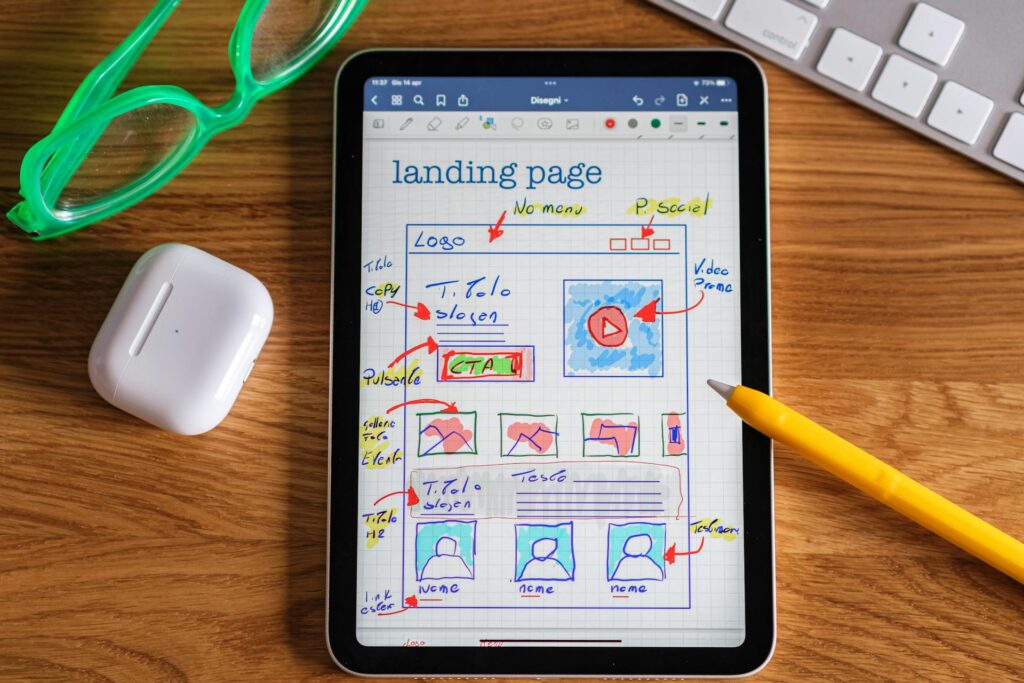
Every high-converting landing page includes:
1. Compelling headline:
Your headline should instantly communicate the benefit:
- “Get the Free Template That Saves 5 Hours Weekly”
- “Download the Checklist That Helped 2,000+ People Launch Successfully”
- “Grab Your Free Guide: Master [Skill] in 7 Days”
2. Subheadline or supporting text:
Add context or additional benefits:
- “Join 10,000+ entrepreneurs using this exact system”
- “No fluff, no theory. Just the 5 steps that actually work”
- “Used by beginners to achieve [specific outcome]”
3. Visual representation:
Include an image of your lead magnet:
- 3D mockup of an ebook or guide
- Screenshot of template or tool
- Professional graphic representing your offer
4. Benefit bullets:
List 3-5 specific benefits subscribers get:
Weak bullets:
- Learn about marketing
- Get tips and tricks
- Improve your business
Strong bullets:
- Discover the exact email template that converts at 34% (most get 5-10%)
- Learn the one-sentence opener that makes prospects eager to buy
- Access the follow-up sequence that closes 45% of undecided leads
5. Social proof (if you have it):
- “Join 15,000+ subscribers”
- Testimonials from satisfied subscribers
- Trust indicators (featured in publications, certifications, etc.)
6. Clear, prominent opt-in form:
- Ask for minimum information (email address, sometimes first name)
- Use compelling button text (“Get Free Access” beats “Submit”)
- Place form prominently (above the fold, can’t be missed)
7. Privacy reassurance:
- “We respect your privacy. Unsubscribe anytime.”
- “No spam. Only valuable content.”
Systeme.io stands out because it sends unlimited emails on all plans (even free) & eliminates the anxiety of watching every email you send. Click here for a detailed comparison of Systeme.io: The All-in-One Platform That Actually Delivers
Creating Landing Pages with a Limited Budget
Using Systeme.io:
- Log in to your account
- Navigate to “Funnels”
- Create a new funnel
- Choose the “Lead Generation” template
- Customise with your headline, benefits and lead magnet
- Publish and get your URL
Using other free tools:
- Carrd: Simple one-page sites for $19/year
- Google Sites: Completely free but basic
- WordPress + Elementor: Free if you have hosting
Using email platform features:
Most email platforms include basic landing page builders:
- Mailchimp has landing pages
- ConvertKit has landing pages
- MailerLite includes a page builder
Landing Page Optimisation Tips
Keep it simple:
- Remove navigation menus (no escape routes)
- Single call to action (don’t offer multiple options)
- Minimal distractions
- Fast loading speed
Make the form obvious:
- Contrasting button colour
- Large, clickable button
- Form near the top of the page
- Repeat form lower on page if page is long
Use directional cues:
- Arrows pointing to form
- Images of people looking toward form
- Visual hierarchy guides eyes down the page
Mobile optimisation:
- Over 50% of traffic is mobile
- Test on actual phones
- Large buttons, easy-to-tap forms
- Fast loading on mobile networks
Writing Landing Page Copy
Formula that works:
- Attention-grabbing headline stating the main benefit
- Subheadline adding context or urgency
- Brief paragraph explaining the problem your lead magnet solves
- Bullet points listing specific benefits
- Social proof or trust indicators
- Call to action with a clear button
- Reassurance about privacy
- Optional: FAQ addressing common objections
Example structure:
Headline: “Download the Template That Helped 500+ Freelancers Land $5,000+ Clients”
Subheadline: “The exact cold email system I used to go from $0 to $10,000/month”
Body: “You’ve been told to ‘just start pitching’, but your emails get ignored. You need a proven system that actually gets responses. This template has been tested by hundreds of freelancers and consistently gets 15-25% response rates.”
Benefits:
- Get the exact subject line that achieves 40% open rates
- Copy the 3-paragraph structure that converts browsers into buyers
- Use the follow-up sequence that closes 30% of non-responders
CTA: “Get Free Access Now”
Driving Traffic to Your Landing Page
The best landing page in the world is worthless without visitors. Let’s explore realistic traffic strategies for beginners.
Free Traffic Strategies
Content marketing (blogging):
Create valuable blog content that:
- Ranks in Google for keywords that your ideal subscribers search
- Includes calls to action linking to your landing page
- Establishes your expertise and authority
- Provides genuine value while promoting your lead magnet
Realistic expectations:
- Takes 3-6 months to gain traction
- Requires consistent publishing (1-2 posts weekly minimum)
- Needs basic SEO knowledge
- Compounds over time (old posts continue driving traffic)
Process:
- Research keywords your audience searches
- Create comprehensive, helpful content targeting those keywords
- Include prominent CTAs linking to the landing page
- Promote posts through social media and other channels
- Build backlinks over time for better rankings
Social media marketing:
Platforms to consider:
Instagram:
- Share valuable tips in posts and stories
- Use the link in bio to direct to the landing page
- Create carousel posts showcasing your expertise
- Engage authentically with your niche community
TikTok:
- Short videos demonstrating expertise
- Educational content that solves problems
- Link in bio to landing page
- Consistency matters more than perfection
Twitter/X:
- Share valuable insights and tips
- Engage in conversations in your niche
- Pin tweet linking to landing page
- Build relationships with other creators
LinkedIn:
- Professional content and thought leadership
- Articles and posts demonstrating expertise
- Network with ideal audience members
- Direct links to the landing page in posts
Facebook:
- Join relevant groups in your niche
- Provide genuine help and value
- Share landing page when relevant (don’t spam)
- Build relationships before promoting
Pinterest:
- Create pins linking to the landing page
- Works especially well for visual niches (recipes, home decor, fashion, DIY)
- Pins have a long lifespan (continue driving traffic for months)
- Use keywords in descriptions for discoverability
YouTube:
Create videos that:
- Teach something valuable related to your niche
- Include a link to the landing page in the description
- Verbal CTA asking viewers to grab your free resource
- Provide enough value that viewers trust you
Realistic expectations:
- Takes time to gain subscribers and views
- Requires consistency (weekly uploads minimum)
- High effort but compounds over time
- Video skills improve with practice
Systeme.io stands out because it sends unlimited emails on all plans (even free) & eliminates the anxiety of watching every email you send. Click here for a detailed comparison of Systeme.io: The All-in-One Platform That Actually Delivers
Guest posting:
Write articles for established blogs in your niche:
- Reach their existing audience
- Include bio with link to landing page
- Builds authority and backlinks
- One good guest post can drive hundreds of subscribers
Forum and community participation:
- Reddit (relevant subreddits, follow community rules)
- Quora (answer questions, include a landing page in answers when genuinely relevant)
- Niche-specific forums
- Facebook and LinkedIn groups
Podcast guesting:
Appear on podcasts in your niche:
- Reach established audiences
- Build authority and trust
- Mention your lead magnet during the interview
- Often includes show notes with a link
Paid Traffic Strategies
Once you have a budget (even $5-10 daily helps):
Facebook/Instagram Ads:
- Highly targeted to specific demographics and interests
- Start with $5-10 daily budget
- Test different audiences and ad creative
- Optimise based on cost per subscriber
Expected costs:
- $0.50-$5 per subscriber, depending on niche
- Better targeting generally reduces costs
- Lead magnets typically cost less than direct sales
Google Ads:
- Target people actively searching for solutions
- Start witha small budget ($10-20 daily)
- Focus on specific, long-tail keywords
- Drive to optimised landing page
Pinterest Ads:
- Particularly effective for visual niches
- Often cheaper than Facebook
- Native ad format blends with organic pins
- Good for reaching women (Pinterest skews female)
YouTube Ads:
- Target specific channels or video topics
- Skippable video ads or in-stream ads
- Can be very targeted
- More expensive but high engagement
Solo ads:
- Purchase email traffic from established list owners
- Works well in business opportunity, health, and finance niches
- Quality varies dramatically (vet providers carefully)
- Start small ($50-100) to test before scaling
For detailed traffic generation strategies, Neil Patel offers comprehensive resources: Traffic Generation Guide
The Hybrid Approach
Most successful list builders combine free and paid strategies:
- Create valuable content (free traffic)
- Promote that content with a small ad budget (paid amplification)
- Content ranks over time (compounding free traffic)
- Use paid traffic to test and scale what works
- Reinvest revenue from monetised list into more traffic
Setting Up Your Welcome Sequence
The moment someone subscribes is peak engagement. Your welcome sequence capitalises on that enthusiasm.
Why Welcome Sequences Matter
First impressions count: Your welcome sequence sets the tone for the entire relationship
Deliver on promises: Immediately provide the lead magnet you promised
Build anticipation: Create excitement for future emails
Establish expectations: Tell subscribers what to expect and when
Start the relationship: Begin building trust and connection
Creating Your First Welcome Sequence
Email 1: Immediate delivery (triggers instantly)
Subject: “Here’s your [Lead Magnet Name]”
Content:
- Thank them for subscribing
- Deliver the promised lead magnet (link or attachment)
- Brief introduction of who you are and why they should care
- Set expectations (tell them what emails they’ll receive)
- Include call to action (reply, follow on social, explore website)
Email 2: Value add (sends 2-3 days later)
Subject: “Quick question about [Topic]” or “The one thing most people miss about [Topic]”
Content:
- Share an additional valuable tip related to the lead magnet
- Tell a relevant story demonstrating your expertise
- Build connection and relatability
- Soft CTA to paid offer or resource (if you have one)
Email 3: Story and social proof (sends 4-5 days later)
Subject: “How I [achieved result]” or “[Name]’s success story”
Content:
- Share your story or customer success story
- Demonstrate what’s possible with your methods
- Include specific, believable results
- CTA to engage further (reply, check out product, etc.)
Email 4: Helpful resource (sends 7 days later)
Subject: “You might find this helpful”
Content:
- Share a valuable resource (blog post, video, tool, etc.)
- Continue providing value without asking for anything
- Build goodwill and trust
- Reinforce your expertise
Email 5: Soft pitch (sends 10-14 days later)
Subject: “Ready for the next step?”
Content:
- If you have a paid offer, introduce it naturally
- Frame as a logical next step for achieving their goals
- Include testimonials and results
- No pressure, just making them aware of the option
Systeme.io stands out because it sends unlimited emails on all plans (even free) & eliminates the anxiety of watching every email you send. Click here for a detailed comparison of Systeme.io: The All-in-One Platform That Actually Delivers
Welcome Sequence Best Practices
Deliver lead magnet instantly: Don’t make people wait for what you promised
Write conversationally: Sound like a real person, not a corporate robot
Tell stories: Facts tell, stories sell. Make content engaging and memorable
Add personality: Let your unique voice shine through
Include CTAs: Every email should have a clear next action
Test and improve: Monitor open rates and clicks, refine what doesn’t work
Keep them moderate in length: 200-400 words per email is usually sufficient
Growing Your List Consistently
Building your list once isn’t enough. Sustainable growth requires systems.
Set Weekly Subscriber Goals
Don’t aim vaguely to “grow your list.” Set specific targets:
- Week 1-4: 25 subscribers (6-7 per week)
- Month 2: 50 new subscribers (12-13 per week)
- Month 3: 100 new subscribers (25 per week)
- Month 4-6: 200+ new subscribers monthly
Clear goals create accountability and let you measure progress.
Create Consistent Content
The most successful list builders publish valuable content consistently:
- Blog posts: 1-2 per week minimum
- YouTube videos: 1 per week minimum
- Podcast episodes: 1 per week
- Social media: Daily value posts
Every piece of content should include a prominent CTA to join your list. Treat your list building as seriously as you treat the content creation itself.

Multiple Capture Points
Don’t rely on a single landing page. Add email capture throughout your presence:
Website integration:
- Popup or slide-in form (triggered after 30 seconds or on exit intent)
- Sidebar opt-in box
- End of every blog post
- Homepage feature
- About page CTA
Content upgrades:
Create specific lead magnets for popular content:
- “Download the checklist version of this post”
- “Get the template mentioned in this article”
- “Access the full resource library”
Content upgrades often convert at 20-30%+ because they’re hyper-relevant to what people are already reading.
Resource libraries:
Create a password-protected page with multiple resources:
- Templates, checklists, guides and tools
- Require email to access
- Add new resources over time
- Promote across your content
Webinars and challenges:
Host live events requiring registration:
- Free training webinars
- 5-day challenges
- Live Q&A sessions
- Virtual workshops
These attract engaged subscribers who raise their hands, indicating high interest.
Leverage Social Proof
As your list grows, use that growth to attract more subscribers:
- “Join 1,000+ people already getting these tips”
- Share subscriber testimonials
- Show the results subscribers achieve
- Create FOMO (fear of missing out) around your content
Partner and Collaborate
Grow faster through strategic partnerships:
Guest appearances: Appear on podcasts, blogs and YouTube channels in your niche
Joint ventures: Co-create content or lead magnets with complementary businesses
Affiliate partnerships: Promote each other’s lead magnets to respective lists
Bundle deals: Combine multiple experts’ resources in a single offer
Summit participation: Speak at virtual summits to reach new audiences
Systeme.io stands out because it sends unlimited emails on all plans (even free) & eliminates the anxiety of watching every email you send. Click here for a detailed comparison of Systeme.io: The All-in-One Platform That Actually Delivers
List Management and Engagement
A large list means nothing if subscribers don’t engage. Quality trumps quantity.
Maintain List Hygiene
Regularly clean your list:
- Remove subscribers who never open (after 6-12 months of no engagement)
- Delete invalid email addresses
- Remove spam signups
- Segment active vs. inactive subscribers
A smaller engaged list outperforms a larger disengaged list. Email platforms often charge based on subscriber count, so removing dead weight saves money while improving deliverability.
Segment Your Subscribers
Not all subscribers are identical. Segment based on:
Engagement level:
- Highly engaged (open every email)
- Moderately engaged (open occasionally)
- Barely engaged (rarely open)
Interests and behaviour:
- Topics they’ve clicked on
- Products they’ve purchased
- Pages they’ve visited
- Actions they’ve taken
Journey stage:
- New subscribers (in welcome sequence)
- Long-term subscribers
- Customers vs. non-customers
Segmentation lets you send more relevant emails, improving open rates and conversions.
Send Consistently
Inconsistent emailing kills engagement. Choose a sustainable schedule and stick to it:
- Minimum: Once weekly
- Ideal for most: 2-3 times weekly
- High engagement niches: Daily (requires significant valuable content)
Consistency builds anticipation. Subscribers come to expect and look forward to your emails.
Provide Genuine Value
Every email should offer value:
- Teach something useful
- Share entertaining stories
- Provide exclusive resources
- Give actionable tips
- Recommend helpful tools
The ratio of value to promotion matters. Give 4-5 value emails for every 1 promotional email. When you do promote, frame it as a helpful recommendation rather than a pushy sales pitch.

Make Unsubscribing Easy
Counterintuitive but important: make unsubscribing simple and guilt-free:
- Include a clear unsubscribe link in every email
- Don’t shame people for leaving
- Consider the “update preferences” option (let people receive fewer emails rather than leaving entirely)
People who stay because unsubscribing is difficult won’t engage anyway. Better to have a smaller engaged list than a large disengaged one.
Systeme.io stands out because it sends unlimited emails on all plans (even free) & eliminates the anxiety of watching every email you send. Click here for a detailed comparison of Systeme.io: The All-in-One Platform That Actually Delivers
Monetising Your Email List
Building a list is a means to an end. Eventually, you need to generate revenue.
Common Monetisation Methods
Selling your own products or services:
- Digital products (ebooks, courses, templates)
- Coaching or consulting
- Physical products
- Software or apps
- Memberships or subscriptions
Affiliate marketing:
- Promote products you genuinely use and recommend
- Earn commissions on sales
- Focus on products that genuinely serve your audience
- Disclose affiliate relationships
Sponsored emails:
- Once your list is substantial (10,000+ engaged subscribers)
- Companies pay you to promote to your list
- Only promote relevant offers
- Typically earn $500-5,000+ per sponsored email, depending on list size
Premium newsletter subscriptions:
- Offer free content to everyone
- Premium tier with exclusive content for paying subscribers
- Platforms like Substack make this easy
- Works well for unique insights or exclusive access
When to Start Monetising
Too early: Promoting before building trust kills engagement
Too late: Never monetising means you’re leaving money on the table
Good indicators you’re ready:
- List of 100+ engaged subscribers
- Consistently high open rates (30%+ is good)
- Regular replies and engagement from subscribers
- You’ve delivered consistent value for 4-6 weeks minimum
- You have something genuinely valuable to offer
How to Promote Without Being Pushy
Frame offers as solutions: Position products as answers to problems you’ve been discussing
Use customer stories: Let satisfied customers do the selling through testimonials
Offer soft CTAs: “If you’re interested in taking this further, here’s an option”
Provide value first: Always lead with free value, then mention the paid option
Be transparent: Clearly disclose when you’re selling vs. recommending
Respect your list: Don’t promote garbage just for commissions
For comprehensive guidance on building an email-based business, check out my complete guide: Get Started Building Your Online Business

Common Mistakes to Avoid
Learn from others’ errors when figuring out how to build an email list from scratch:
Mistake 1: Weak or Generic Lead Magnets
“Subscribe to my newsletter” doesn’t work. Neither does “Get updates.” Create specific, valuable lead magnets solving real problems.
Mistake 2: Asking for Too Much Information
Every form field reduces conversions by 10-20%. Ask for minimum information initially:
- Email address (required)
- First name (optional but useful for personalisation)
- Nothing else for the first signup
You can collect additional information later once trust is established.
Mistake 3: Not Following Up Consistently
Building a list and then never emailing is pointless. Set a sustainable email schedule and maintain it.
Mistake 4: Being All Sales, No Value
If every email is a pitch, subscribers tune out or unsubscribe. Provide genuine value consistently.
Mistake 5: Ignoring Mobile Optimisation
With 50%+ of emails opened on mobile, ignoring mobile optimisation is business suicide:
- Use mobile-responsive templates
- Keep paragraphs short
- Use large, tappable buttons
- Test on actual phones
Mistake 6: Buying Email Lists
Purchased lists are:
- Against the terms of service for email platforms
- Illegal in many jurisdictions (GDPR, CAN-SPAM)
- Completely ineffective (people didn’t opt in)
- Harmful to deliverability and reputation
Never buy lists. Ever.
Mistake 7: Neglecting List Hygiene
Keeping inactive subscribers inflates costs and hurts deliverability. Clean your list regularly.
Mistake 8: No Clear Next Steps
After someone downloads your lead magnet, guide them clearly:
- Tell them what to expect next
- Give them clear actions to take
- Nurture the relationship intentionally
Don’t just deliver the lead magnet and disappear.
Systeme.io stands out because it sends unlimited emails on all plans (even free) & eliminates the anxiety of watching every email you send. Click here for a detailed comparison of Systeme.io: The All-in-One Platform That Actually Delivers
Measuring Success and Optimising
Track the right metrics to improve results systematically.
Key Metrics to Monitor
List growth rate: New subscribers per week/month
Landing page conversion rate: Percentage of visitors who subscribe
Email open rate: Percentage who open your emails (20-30% is average)
Click-through rate: Percentage who click links (2-5% is average)
Unsubscribe rate: Percentage who leave (under 1% per email is good)
Revenue per subscriber: Total revenue ÷ number of subscribers
Setting Benchmarks
Landing page conversion:
- 10-20%: Good
- 20-30%: Excellent
- 30%+: Outstanding
Email open rates:
- 20-25%: Average
- 25-35%: Good
- 35%+: Excellent
These are guidelines. Your metrics depend on niche, audience and content quality.
Optimisation Through Testing
Test landing page elements:
- Headlines (biggest impact)
- Form placement
- Button text and colour
- Bullet point copy
- Images
Change one element at a time, run until statistical significance, and keep the winners.
Test email subject lines:
- Questions vs. statements
- Curiosity vs. benefit-driven
- Short vs. long
- Personal vs. professional
Track which approaches get the best open rates.
Test content types:
- Stories vs. tips
- Long vs. short emails
- Text-only vs. with images
- Different topics
Track engagement and adjust strategy based on what your specific audience prefers.
For detailed analytics and optimisation strategies, Campaign Monitor provides helpful resources: Email Marketing Analytics
Your 90-Day List Building Plan
Let’s create a realistic roadmap for how to build email list from scratch over your first three months.

Month 1: Foundation
Week 1:
- Choose email platform (Systeme.io recommended)
- Create first lead magnet
- Build a landing page
- Set up welcome sequence (3-5 emails)
Week 2:
- Test complete funnel (subscribe yourself)
- Share the landing page on social media
- Write the first blog post linking to the landing page
- Join 3-5 relevant online communities
Week 3:
- Create a second piece of content
- Engage authentically in communities
- Reach out to 10 people in your network about your new resource
- Refine the landing page based on initial feedback
Week 4:
- Publish the third piece of content
- Begin email sequence to welcome any early subscribers
- Document what’s working and what isn’t
- Plan the Month 2 strategy
Month 1 realistic goal: 25-50 subscribers
Month 2: Momentum
Weeks 5-8:
- Publish 1-2 content pieces weekly consistently
- Continue community engagement
- Add email capture to multiple locations
- Test one paid traffic source (even $5/day)
- Guest post or appear on a podcast if possible
- Create a content upgrade for the best-performing content
- Improve the landing page based on conversion data
Month 2 realistic goal: 100-150 total subscribers (75-100 new)
Month 3: Acceleration
Weeks 9-12:
- Scale content production
- Increase paid traffic budget if showing positive ROI
- Launch the first promotional campaign to list
- Create a second lead magnet or content upgrade
- Build relationships with other creators for collaborations
- Optimise based on data (double down on what works)
- Begin segmenting the list based on engagement
Month 3 realistic goal: 250-400 total subscribers (150-250 new)
Beyond 90 Days
Continue momentum whilst refining strategy:
- Consistently create valuable content
- Test and optimise all funnel elements
- Build strategic partnerships
- Scale successful traffic sources
- Develop a monetisation strategy
- Improve based on subscriber feedback
- Maintain a consistent email schedule
Final Thoughts on Building Your List
Understanding how to build email list from scratch requires recognising that list building isn’t about tricks or hacks. It’s about consistently providing genuine value to a specific audience whilst making it easy for them to stay connected with you. The tactics in this guide work because they’re built on that foundation: creating something valuable, making it accessible and nurturing relationships over time.
Your email list will become one of your most valuable business assets if you treat it properly. Focus on attracting the right subscribers rather than just any subscribers. A smaller engaged list of ideal people beats a massive disengaged list of random addresses. Quality subscribers open your emails, click your links, buy your products and refer others. They’re the foundation of sustainable online business success.
Start simple with one good lead magnet and one optimised landing page. Drive traffic through one or two channels initially rather than trying everything simultaneously. Build momentum through consistency rather than sporadic bursts of activity. Test and improve based on actual data rather than assumptions. Most importantly, never forget that behind every email address is a real person who chose to trust you with their inbox. Honour that trust by providing consistent value and respecting their time and attention.
The process of how to build email list from scratch isn’t complicated, but it does require commitment and consistency. Follow the strategies in this guide, adapt them to your specific audience and business model and remember that every successful email list started exactly where you are now: with zero subscribers and someone willing to do the work of building something valuable one subscriber at a time.