
ClickFunnels vs Kajabi: Which Platform is Best for Your Online Business in 2025?
If you’re building an online business and trying to decide between ClickFunnels vs Kajabi, you’re facing one of the most common problems in the digital marketing world. Both platforms promise to help you sell products and build your audience, but they take completely different approaches to getting that done. I’ve spent a lot of time researching both platforms to help you understand which one actually fits your needs, your budget and your business model. This isn’t about which platform has the flashiest features or the biggest marketing budget. It’s about which one will actually help you build a sustainable income online without wasting money on tools you don’t need.
What is ClickFunnels?
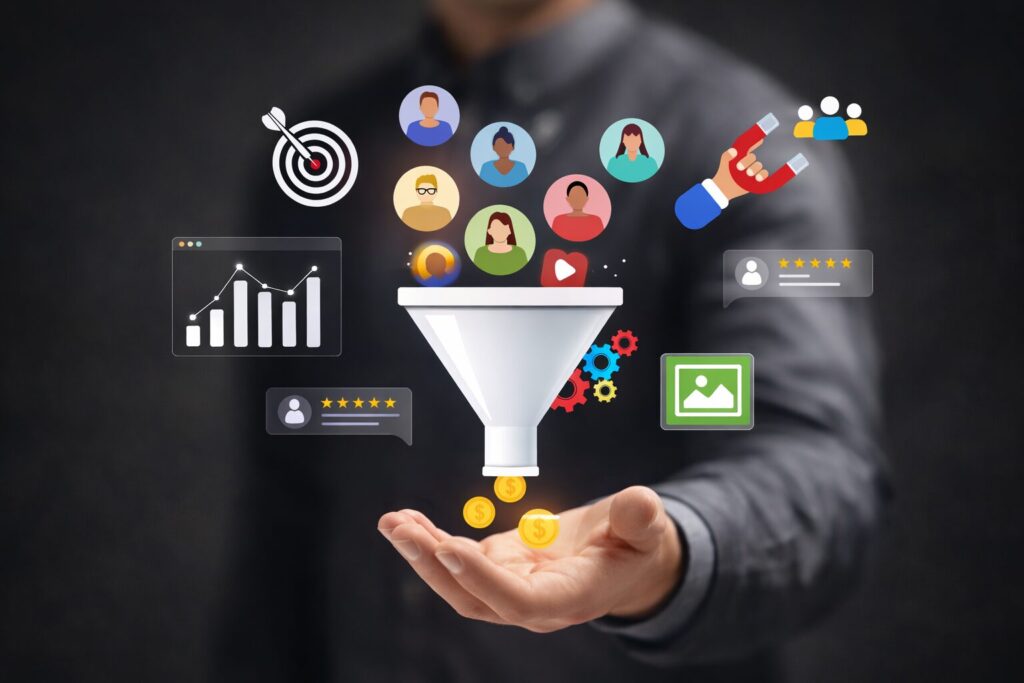
ClickFunnels is a sales funnel builder created by Russell Brunson in 2014. The platform’s entire philosophy centres around one core concept: building sales funnels that guide potential customers through a specific journey from initial awareness to final purchase. Think of it as a specialised tool designed to do one thing really well. Convert visitors into paying customers through carefully designed sequences of pages.
The platform offers ready-made funnel templates for various business models, including lead generation, product launches, webinar registration, membership sites and online shops. You can create landing pages, sales pages, order forms, upsell pages and thank you pages all within the same system. ClickFunnels handles payment processing, connects with email marketing services and provides analytics to track your funnel performance.
What makes ClickFunnels different is its focus on the funnel concept itself. Rather than giving you a blank canvas to build whatever you want, it guides you through proven funnel structures that have generated millions in revenue for businesses across virtually every industry. The platform assumes you already have a product or service to sell and you need an efficient system to present it to potential customers and handle transactions.
What is Kajabi?
Kajabi launched in 2010 as an all-in-one platform specifically designed for knowledge commerce. That means selling online courses, coaching programmes and membership communities. Whilst ClickFunnels focuses narrowly on sales funnels, Kajabi takes a broader approach by combining course hosting, website building, email marketing, landing pages and customer relationship management into a single system.
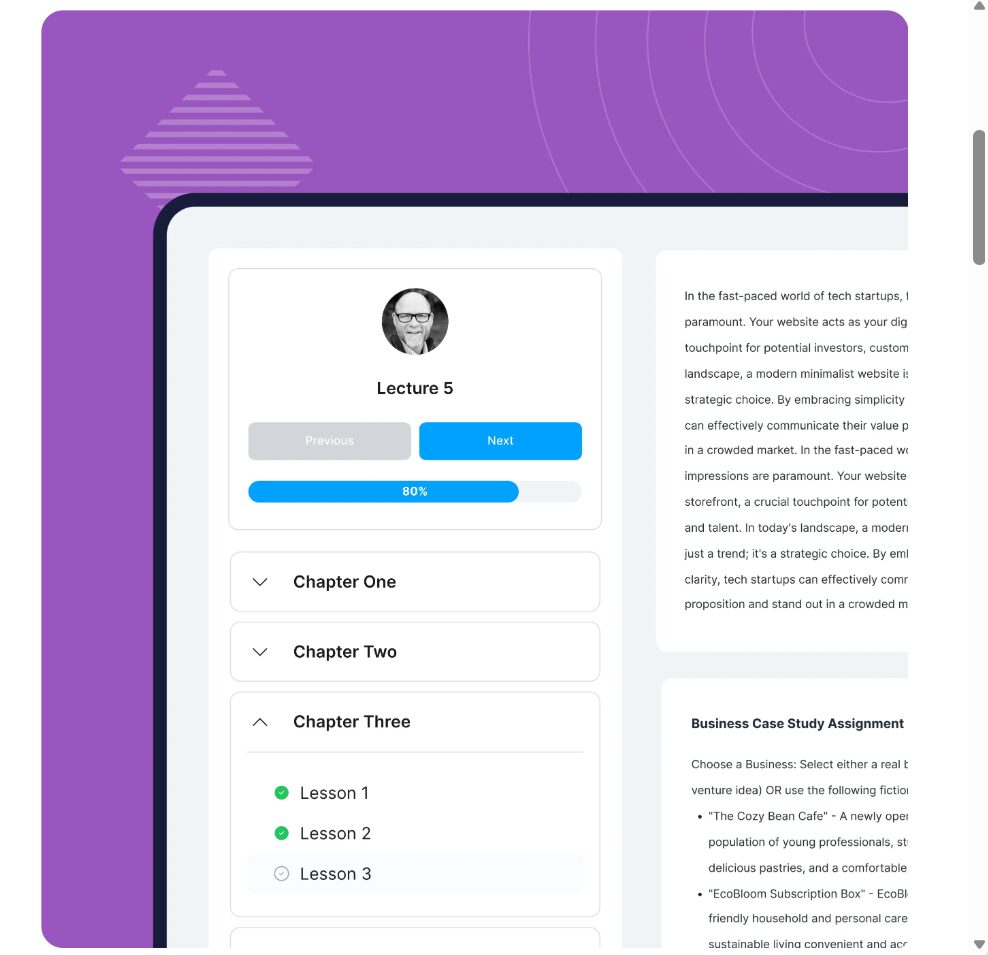
The platform particularly excels at helping course creators and coaches deliver their content to students. You can upload video lessons, create quizzes, track student progress, issue certificates and build entire learning academies with multiple courses. Kajabi’s course player is polished and professional, giving your students a Netflix-style viewing experience that feels premium and modern.
Beyond course delivery, Kajabi includes a complete website builder (not just landing pages), an email marketing system with automation, a blogging platform and community features that allow students to interact with each other. It’s designed for people who want everything under one roof rather than piecing together multiple services from different providers.
ClickFunnels vs Kajabi: Core Philosophy Differences
Before diving into specific features, it’s really important to understand that these platforms were built with completely different purposes. This philosophical difference affects every aspect of how they work.
ClickFunnels assumes you’re primarily focused on sales and conversions. It’s built for marketers, agency owners, online shop sellers and anyone who needs to move prospects through a buying journey quickly and efficiently. The entire interface pushes you towards building funnel sequences designed to maximise revenue per visitor. ClickFunnels doesn’t particularly care what you’re selling. Physical products, services, consultations, and software. It just wants to help you sell more of it through optimised conversion paths.
Kajabi, by contrast, assumes you’re building a knowledge business. It’s designed for coaches, consultants, educators and thought leaders who want to package their expertise into courses, programmes and memberships. The platform treats content delivery as equally important as making the initial sale. Whilst ClickFunnels focuses heavily on the moment of transaction, Kajabi focuses on the entire customer lifecycle, including onboarding, content consumption, ongoing engagement and community building.
This difference means that choosing between them isn’t always about which has “better” features. It’s about which philosophy aligns with your business model. A digital agency running Facebook ads for online shop clients will find ClickFunnels far more aligned with their needs. A business coach wanting to sell a twelve-week transformation programme with weekly video lessons and group coaching calls will find Kajabi more naturally suited to that model.
For pure sales optimisation and conversion rate maximisation, ClickFunnels remains the superior choice, particularly if your business model involves selling multiple products or moving customers through price tiers quickly
Detailed Feature Comparison
Website and Page Building
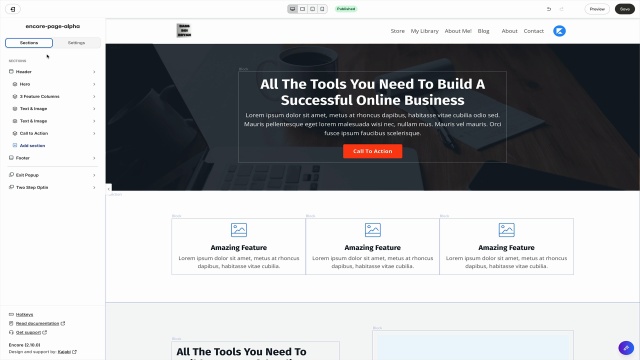
ClickFunnels provides a drag-and-drop page builder specifically optimised for creating high-converting sales pages, landing pages and checkout sequences. The editor is functional rather than beautiful. It prioritises conversion elements like countdown timers, order bumps, one-click upsells, and scarcity triggers over aesthetic flexibility. You can build complete funnels, but you cannot easily create a traditional multi-page website with a blog, about page and standard navigation. ClickFunnels 2.0 (the newer version) improved the editing experience significantly, but it still primarily thinks in terms of funnels rather than websites.
Kajabi offers a more comprehensive website builder that allows you to create a proper business website with multiple pages, blog functionality and standard navigation structures. The page builder is more visually oriented and gives you greater design flexibility for creating branded experiences. You can build landing pages within Kajabi as well, but the editor isn’t quite as funnel-focused as ClickFunnels. If you need a complete business website that includes blog content, team bios, case studies and portfolio pages in addition to your sales pages, Kajabi handles this more naturally.
Sales Funnels and Conversion Tools
ClickFunnels is the undisputed specialist here. The platform includes funnel templates for virtually every business scenario. Product launch funnels, webinar funnels, application funnels, membership funnels, tripwire funnels and more. Each template comes with ready-written copy based on proven frameworks, recommended page sequences and suggested pricing strategies. The funnel builder visualises your entire customer journey in a flowchart format, making it easy to see how prospects move through each stage.
ClickFunnels excels at money-making features, including order bumps (add-on offers at checkout), one-click upsells (after-purchase offers that don’t require entering payment information again) and downsells (alternative offers if someone declines an upsell). These features can dramatically increase your average transaction value. The platform also includes A/B split testing built directly into the funnel builder, allowing you to test different headlines, images or offers to optimise conversion rates.
Kajabi does offer sales pipelines (their version of funnels), and you can create landing pages connected to email sequences. However, the focus is less aggressive. Kajabi’s pipelines work well for lead generation and course enrolments, but lack the sophisticated money-making features that ClickFunnels offers. You won’t find order bumps or one-click upsells in Kajabi. The platform assumes you’re primarily selling a course, coaching package or membership rather than trying to maximise transaction value through multiple offers in a single buying session.
Course and Content Delivery
Kajabi is purpose-built for delivering educational content, and it shows. The course builder allows you to organise content into categories, modules and individual lessons with a clear structure. You can upload videos, audio files, PDFs and text-based lessons. The student experience is polished with progress tracking, course completion percentages and the ability to mark lessons as complete.
Kajabi supports various course delivery models, including drip content (releasing lessons on a schedule), locked content (requiring completion of previous lessons before accessing new ones) and on-demand access (everything available immediately). You can add quizzes and assessments with automatic grading, create downloadable resources for each lesson and issue certificates upon course completion. The platform also includes a community feature allowing students to discuss course content with each other.
ClickFunnels does include membership site functionality that allows you to deliver content to paying members. However, this feature feels like an addition rather than the core focus. The membership area works adequately for delivering video content, but lacks the sophisticated learning management features Kajabi offers. You cannot easily create quizzes, track detailed student progress or build comprehensive course curricula with prerequisites and completion tracking.
If your primary business model involves selling online courses, coaching programmes or any form of educational content where the delivery experience matters as much as making the sale, Kajabi is dramatically better suited to your needs.
Email Marketing and Automation
Kajabi includes a complete email marketing system built directly into the platform. You can create email campaigns, build automation sequences triggered by specific behaviours (course enrolment, lesson completion, purchase, tag applied) and segment your audience based on their actions and attributes. The email builder is straightforward with a simple drag-and-drop interface for creating visually appealing emails.
Kajabi’s automation capabilities extend beyond email to include what they call “pipelines”. Complete sequences combining landing pages, email follow-up and sales pages designed to move people through a specific journey. You can tag people based on their behaviour, add them to different sequences and create quite sophisticated customer journeys entirely within Kajabi.
ClickFunnels has email functionality called Follow-Up Funnels (now called Workflows in ClickFunnels 2.0) that allows you to create automation sequences. However, many ClickFunnels users still connect with dedicated email platforms like ConvertKit, ActiveCampaign or GetResponse because the email features, whilst functional, aren’t as robust as standalone email marketing services.
ClickFunnels focuses more on the moment of conversion. Getting people to say yes to your offer rather than the ongoing nurturing that happens through email over weeks or months. You can certainly build email sequences in ClickFunnels, but if email marketing is a primary channel for your business, Kajabi’s native capabilities are more comprehensive.
Payment Processing and Pricing Flexibility
Both platforms connect with payment processors (Stripe and PayPal primarily) to handle transactions. However, they differ in how they approach pricing models.
ClickFunnels excels at creative pricing strategies. You can easily set up payment plans, free trials, subscription billing, one-time payments and complex structures like “three payments of $497”. The platform makes it simple to split-test different pricing strategies and offer multiple payment options on the same order form. The order forms include fields for order bumps, quantity selectors and coupon codes.
Kajabi handles standard pricing models very well. One-time payments, payment plans and subscriptions all work smoothly. You can create coupon codes, run limited-time offers and set up free trials. However, Kajabi doesn’t make it as easy to experiment with unconventional pricing structures or rapidly test different price points across multiple offers simultaneously.
For pure sales optimisation and conversion rate maximisation, ClickFunnels remains the superior choice, particularly if your business model involves selling multiple products or moving customers through price tiers quickly
Analytics and Reporting
ClickFunnels provides funnel-focused analytics showing you exactly how many people enter each stage of your funnel, where they drop off and what your conversion rates are at each step. You can see total revenue, transactions, average cart value and earnings per click. The analytics are specifically designed to help you identify bottlenecks in your funnel and optimise for higher conversions.
Kajabi offers broader business analytics, including revenue reports, product performance, email campaign statistics, website traffic sources and student progress metrics. You can see which courses are most popular, how engaged your students are (based on content consumption), which emails generate the most engagement and which sales pipelines convert best. The reporting is more holistic, treating your business as an ecosystem rather than just a series of conversion funnels.

ClickFunnels vs Kajabi: Pricing Breakdown
Pricing represents one of the most significant differences between these platforms. Both are premium services that cost substantially more than basic website builders, but they differ considerably in their pricing structures.
ClickFunnels Pricing (2025)
ClickFunnels offers three main pricing tiers:
Basic Plan ($147/month or $127/month annually):
- 20 funnels
- 1 website
- 3 courses
- Unlimited pages, products and contacts
- Basic integrations
- Email support
Pro Plan ($197/month or $157/month annually):
- 100 funnels
- 1 website
- 15 courses
- Everything from Basic plus:
- A/B split testing
- Advanced automation (Workflows)
- Priority support
- API access
Funnel Hacker Plan ($297/month or $208/month annually):
- Unlimited funnels, websites and courses
- Everything from Pro plus:
- Priority template requests
- Funnel Hacker Forum access
- FunnelFlix training library
ClickFunnels focuses its pricing on the number of funnels you can build rather than limiting your contacts or traffic. This makes it attractive for businesses that need to test multiple funnel concepts or run campaigns for multiple products simultaneously.
Kajabi Pricing (2026)
Kajabi structures its pricing quite differently, focusing on the number of products, contacts and admin users:
Basic Plan ($149/month or $119/month annually):
- 3 products
- 3 sales pipelines
- 1,250 active members
- 10,000 contacts
- 1 website
- 0 admin users
Growth Plan ($199/month or $159/month annually):
- 15 products
- 15 sales pipelines
- 10,000 active members
- 25,000 contacts
- 1 website
- 10 admin users
- Affiliate programme functionality
Pro Plan ($399/month or $319/month annually):
- 100 products
- 100 sales pipelines
- 20,000 active members
- 100,000 contacts
- 3 websites
- 25 admin users
- Code editing capabilities
Kajabi’s pricing structure makes it expensive for businesses with large email lists or those wanting to sell numerous individual products. However, if you’re running a focused knowledge business with a few flagship courses or programmes, the pricing becomes more reasonable when you consider that it replaces multiple separate services.
Pricing Comparison Analysis
For someone just starting out with a simple business model (selling one main product), ClickFunnels Basic at $147/month and Kajabi Basic at $149/month are virtually identical in price. However, your needs beyond price should determine your choice.
ClickFunnels becomes more cost-effective for businesses that need to rapidly build and test multiple funnels for different offers, traffic sources or audiences. The limitation of 20 funnels on the Basic plan might sound generous, but active marketers can reach this limit quickly when testing variations.
Kajabi’s contact limits become a consideration as your email list grows. If you’re planning to build a large email list (over 10,000 contacts), you’ll need at least the Growth plan. ClickFunnels doesn’t limit your contacts at any tier, which offers more scalability for businesses focused on list building.
Both platforms offer free trials (ClickFunnels offers 14 days, Kajabi offers 30 days), which allow you to test them properly before committing financially.

Who Should Choose ClickFunnels?
ClickFunnels makes the most sense for specific business models and situations:
Online shop businesses selling physical or digital products that need optimised checkout experiences with upsells and order bumps. The platform’s conversion-focused features can significantly increase average order value.
Digital agencies building sales funnels for clients across multiple industries. ClickFunnels allows you to create sub-accounts for clients and build funnels on their behalf.
Businesses selling multiple products at various price points who want to create different funnels for different offers or traffic sources. The unlimited pages and products on all plans make this cost-effective.
Marketers focused purely on paid traffic conversions who need to squeeze maximum value from each visitor through optimised funnel sequences.
Anyone with an existing course platform who needs better sales pages and checkout flows. You can use ClickFunnels for the front-end sales process and deliver your course content through a different platform.
Businesses that need advanced split testing to continuously optimise conversion rates across multiple elements of their funnels.
If your primary concern is converting cold traffic into paying customers through strategically designed page sequences, ClickFunnels provides the most sophisticated toolkit available
Who Should Choose Kajabi?
Kajabi is the better choice for different business models:
Course creators and online educators whose primary business model involves selling structured learning experiences. If you’re teaching people skills, transformations or knowledge through video courses, Kajabi’s learning management features are far superior.
Coaches and consultants who combine course content with group coaching calls, community interaction and ongoing support. Kajabi’s community features and content delivery create a premium experience for programme participants.
Membership site owners delivering ongoing content to a community. The platform handles recurring billing and content dripping seamlessly.
Thought leaders building authority businesses who need a professional website with blog functionality in addition to sales pages and courses. Kajabi creates a cohesive brand experience across all touchpoints.
Businesses wanting to consolidate multiple tools, including website hosting, email marketing, course platform and sales pages into a single platform with one monthly fee.
Anyone prioritising student experience and engagement over aggressive upselling tactics. Kajabi creates a more educational, community-focused experience rather than a high-pressure sales environment.

What the Experts Say
Kajabi consistently ranks as one of the top choices for course creators specifically because of its combination of marketing tools and learning management features. The article emphasises that whilst Kajabi costs more than simpler course platforms, it eliminates the need for multiple separate services.
ClickFunnels receives recognition for its specialisation in conversion optimisation and its extensive template library based on proven funnel frameworks. The review notes that ClickFunnels particularly excels for businesses selling physical products or services rather than educational content.
HubSpot’s guide to marketing automation discusses how platforms like Kajabi integrate course delivery with email marketing automation to create complete customer journeys. The article highlights that all-in-one platforms work best when your business model aligns closely with what the platform was designed to do. In Kajabi’s case, knowledge commerce.
Integration Capabilities and Ecosystem
Both platforms recognise they cannot be everything to everyone, so they offer integrations with third-party services.
ClickFunnels integrates with email marketing platforms (ConvertKit, ActiveCampaign, AWeber, Mailchimp), payment processors (Stripe, PayPal), webinar platforms (Zoom, GoToWebinar), CRM systems (Salesforce, HubSpot) and numerous other services. Many users run ClickFunnels for funnel building while using specialised platforms for email marketing or customer relationship management.
Kajabi takes a more closed ecosystem approach since it includes many features internally that would otherwise require integrations. However, it still connects with key services including Stripe, PayPal, Zapier (for connecting to thousands of apps), Facebook Pixel, Google Analytics and various webinar platforms. The integration list is shorter than ClickFunnels, but arguably, you need fewer integrations because more functionality exists natively.
Technical Considerations and Learning Curve
ClickFunnels has a moderate learning curve. The funnel concept itself requires understanding how customer journeys work and why page sequences matter for conversions. However, the templates and ready-made funnels significantly reduce the technical knowledge required. You don’t need coding skills, and the drag-and-drop editor is intuitive after some practice. The ClickFunnels community is extensive, with countless YouTube tutorials covering virtually any question you might have.
Kajabi is generally considered more user-friendly for beginners, particularly those focused on course creation. The interface feels more modern, and the workflow for creating a course is quite intuitive. Upload your videos, organise them into modules, set your pricing and publish. The email marketing and automation features are straightforward compared to advanced marketing automation platforms.
Both platforms offer extensive training resources. ClickFunnels includes access to FunnelFlix (on higher-tier plans), which contains hours of training on funnel building, traffic generation and conversion optimisation. Kajabi provides Kajabi University with courses on platform usage, marketing strategies and business building.

The Honest Assessment: Limitations and Drawbacks
No platform is perfect, and both ClickFunnels and Kajabi have legitimate drawbacks worth considering.
ClickFunnels Limitations:
The platform can feel overwhelming for complete beginners due to the sheer number of features and funnel templates available. The interface, whilst functional, isn’t the most modern or aesthetically pleasing compared to newer competitors. Customer support can be slow during peak times. The platform works best when you have existing traffic sources. It won’t magically generate visitors to your funnels. The cost adds up significantly if you need the higher-tier plans, and there’s no monthly payment option below $147, which represents a substantial commitment for new businesses.
Kajabi Limitations:
The pricing structure becomes expensive quickly once you exceed the Basic plan’s limits on products or contacts. The sales funnel features lag behind dedicated funnel builders like ClickFunnels in sophistication. You cannot easily build complex upsell sequences or implement aggressive money-making tactics. The blogging functionality, whilst present, isn’t as robust as WordPress or dedicated blogging platforms. The platform works brilliantly for online courses, but feels somewhat constrained if your business model extends beyond knowledge commerce into other areas.
ClickFunnels remains the superior choice, particularly if your business model involves selling multiple products or moving customers through price tiers quickly
Making Your Decision
The choice between ClickFunnels vs Kajabi ultimately depends on answering one fundamental question: What is your primary business model?
If you’re selling online courses, coaching programmes or memberships where content delivery and student experience matter enormously, Kajabi is almost certainly the better choice. The platform was purpose-built for knowledge commerce, and it excels at this specific use case.
If you’re selling physical products, online shop items, services, consultations, agency offerings or anything that doesn’t involve structured educational content delivery, ClickFunnels will serve you better. Its conversion-focused features and aggressive money-making tools will generate higher revenue per visitor.
If you’re doing both (selling courses and other products), you’ll need to decide which represents your core business. Some entrepreneurs use both platforms simultaneously, running course delivery through Kajabi whilst using ClickFunnels for specific high-converting sales funnels for other offers. However, this approach doubles your platform costs and adds complexity.

Can You Switch Later?
One practical consideration is migration. If you start with one platform and later decide it’s not right, can you switch?
Moving from ClickFunnels to Kajabi (or the other way round) involves rebuilding your pages and funnels in the new platform. Neither offers automated migration tools. However, both platforms make it reasonably easy to export your contact lists, so you won’t lose your audience. The most significant work involves recreating your pages, reconnecting your integrations and redirecting any existing traffic or links.
This migration friction means it’s worth spending adequate time choosing correctly upfront rather than settling for the first option and planning to switch later.
Alternative Approaches Worth Considering
Before fully committing to either platform, consider whether you actually need an all-in-one solution at all. Some businesses successfully combine simpler, cheaper tools to achieve similar results:
WordPress plus WooCommerce for online shops with course plugins like LearnDash for course delivery (significantly cheaper but requires more technical knowledge). ConvertKit or ActiveCampaign for email marketing, combined with Teachable or Thinkific for course hosting (gives you specialisation in each area). Systeme.io is a budget-friendly alternative offering similar features to both ClickFunnels and Kajabi at a fraction of the cost (limited sophistication, but adequate for many businesses).
These combinations can work well but require managing multiple logins, potential integration issues and a patchwork of different interfaces. The value proposition of platforms like ClickFunnels or Kajabi is consolidation and seamlessness, which has genuine value if your time is limited.
Final Verdict
After extensive research and analysis, here’s the straightforward assessment:
Choose Kajabi if:
- You’re primarily selling online courses, coaching or educational memberships
- Student experience and content delivery quality matter greatly to your brand
- You want a comprehensive business platform that consolidates many tools
- You’re building a thought leadership business based on your expertise
- You need robust email marketing automation combined with course delivery
Choose ClickFunnels if:
- You’re focused on maximising sales conversions and transaction value
- You sell products or services that don’t require complex content delivery
- You need sophisticated funnel building with upsells, downsells and order bumps
- You’re running paid traffic campaigns requiring optimised landing pages
- You want proven funnel templates across multiple business models
Both platforms are legitimate, professional tools used by thousands of successful online businesses. Neither is a scam nor a waste of money when applied correctly to the right business model. The question isn’t which is objectively “better”. It’s what aligns with your specific needs, business model and priorities.
When evaluating ClickFunnels vs Kajabi, step back from the feature comparisons and ask yourself what your business truly needs to grow. If you’re selling transformation through education, Kajabi provides everything required to deliver that transformation professionally. If you’re selling products and need to convert cold traffic into buyers efficiently, ClickFunnels gives you the conversion-focused tools to achieve that goal. Choose based on your business model rather than which platform has more features, and you’ll make the right decision for your specific situation.