
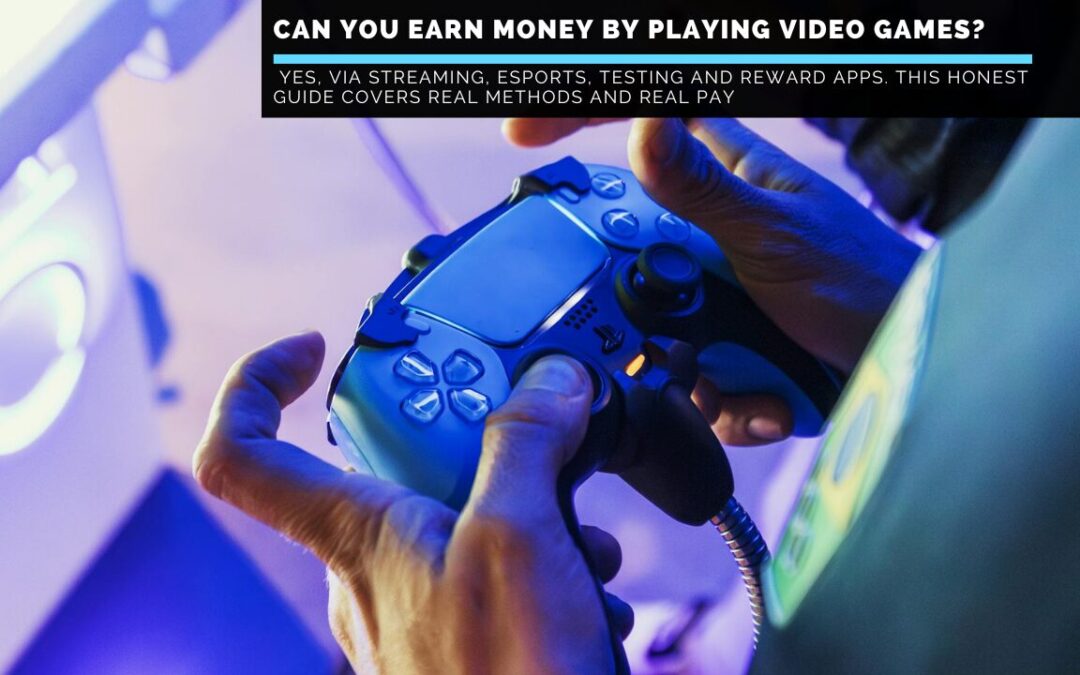
Can You Earn Money by Playing Video Games? (Honest 2026 Guide)
Can you earn money by playing video games? The honest answer is yes. The fuller answer is that the amount you earn and the work required depend on the method you choose.
Some gamers make hundreds of thousands of dollars per year. Others use reward apps for months and barely earn enough for a takeaway coffee. Most people who try gaming for income fall somewhere between those two points, and the method they choose shapes everything.
This guide looks at every real way to earn from gaming in 2026. For each one, you will get a clear sense of what it pays, how long it takes and who it suits best.

The Gaming Economy Is Real and Growing
Gaming is no longer just a hobby. The global gaming industry is worth hundreds of billions of dollars and keeps growing every year. Streamers, esports players, game testers, content creators and mobile gamers all have a real place in that economy. Every one of those roles earns money in a different way and at a different rate, and the path that suits you depends on your skills, your time and how seriously you are willing to take it.
The range of income is wide, though. At the top end, pro esports players compete for prize pools worth millions of dollars.
Full-time streamers with large audiences earn six figures from fan support, ad revenue and brand deals. At the low end, reward app users earn a few cents per hour. Knowing which group you belong to before you start is one of the most useful things this guide can offer.
If you want to build a full-time online business on a realistic timeline, the Get Started Here page on this site is the right starting point.
Method 1: Game Streaming on Twitch and YouTube
Streaming is the first method most people think of when they ask whether you can earn money by playing video games. It is also the method with the widest gap between top earners and average ones.
Successful streamers earn money through several income streams. Twitch pays around $2.50 to $3.50 per subscriber per month once you reach partner status.
Bits and direct donations add more on top of that. Brand deals with gaming companies pay flat fees per stream. YouTube ad revenue adds another layer once a channel qualifies.
The hard part is building an audience. Most people who start streaming see almost no viewers for the first 3 to 6 months.
Growing past 50 to 100 viewers who show up each stream requires both gaming skill and a real on-screen persona. The games you pick matter too. Titles like Fortnite or Call of Duty are very hard to break into because thousands of other streamers compete for the same viewers.
Streamers who build a real income treat it like a job. They stream on a set schedule, talk with their community between streams and spread their content across more than one platform. Many also post short clips on TikTok or YouTube Shorts to grow their audience faster than streaming alone allows.
Choosing the right niche within gaming also helps. A streamer who focuses on a specific type of game, such as indie horror, classic role-playing games or speedruns, attracts a more dedicated audience than one who plays whatever is trending. Dedicated audiences are more likely to subscribe, donate and buy from sponsors.

Equipment is not the barrier many people think it is. A decent headset, a reliable internet connection and any modern gaming setup are enough to start. Many successful streamers grew their audience on average hardware before investing in upgrades. The camera, the lighting and the overlay design matter far less than personality and consistency in the early months.
One thing worth knowing is that streaming income is almost entirely delayed. You work for 6 to 12 months before seeing any meaningful return. The people who succeed are the ones who treated that early period as an investment rather than a waste.
Realistic pay for a new streamer: $0 to $100 per month in year one. From year two with 100 to 500 regular viewers: $500 to $3,000 per month. Full-time streamers with 1,000 or more regular viewers: $5,000 to $30,000 per month or more.
Method 2: Esports and Paid Tournaments
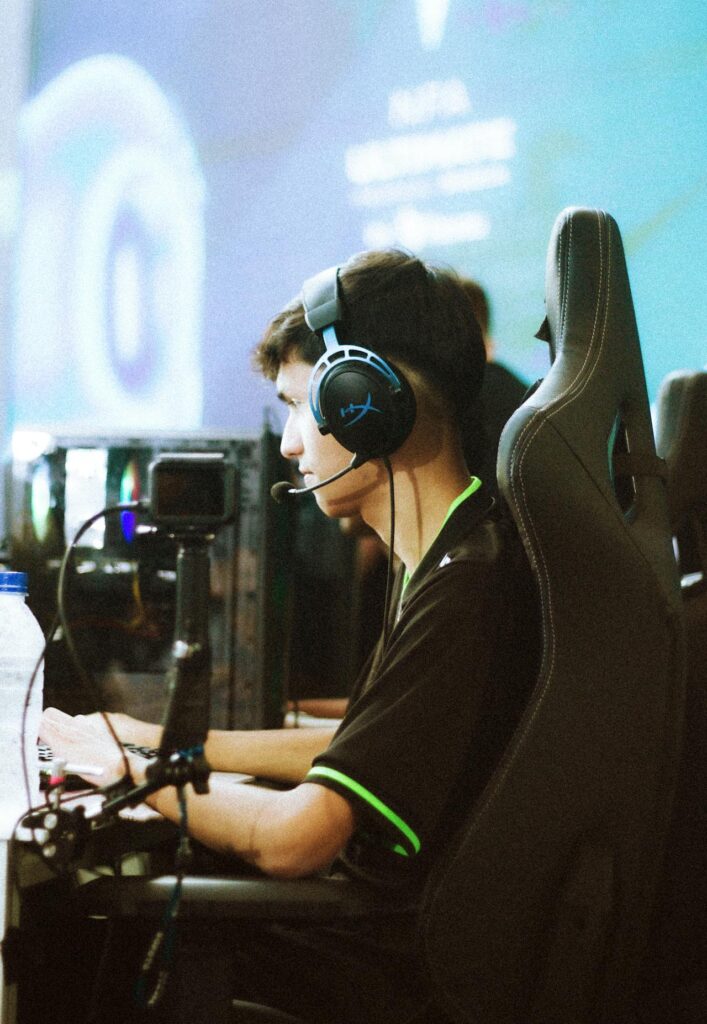
Pro esports is real and well-funded. Major title prize pools for games like Dota 2 and League of Legends have reached tens of millions of dollars. The catch is that the skill needed to compete at that level puts you in roughly the top fraction of a percent of all players in your chosen game.
That said, lower-level paid options do exist. Some platforms host online tournaments with prize pools of $10 to $100. Skilled but non-professional players can win these with some consistency. Sites like Battlefy run community-level events for a wide range of titles with small entry fees and real payouts.
Game coaching is a more achievable path for highly skilled players. If you rank near the top of a game’s ladder, you can charge $15 to $75 per hour to coach less skilled players. Platforms like ProGuides connect coaches with students. A skilled player with good communication can earn $500 to $2,000 per month from coaching without ever competing at a pro level.
The coaching route is also a good way to develop the kind of reputation that leads to other opportunities. A coach who helps students improve their rank builds a portfolio of real results. Those results can be shared as testimonials, which attract more students. Over time, a coaching side hustle can grow into a full teaching business with courses, guides and group sessions on top of the one-to-one work.
You do not need to be the best player in the game to coach. You need to be significantly better than your students and able to explain why you are making the decisions you make in clear, simple language. Many elite players never become good coaches because they find it hard to break down the decisions they make by instinct.
If you want to build a full-time online business on a realistic timeline, the Get Started Here page on this site is the right starting point.
Method 3: Mobile Reward Apps
Mobile reward apps are the most accessible way to earn gaming income. Platforms like Mistplay, Freecash and Swagbucks pay users to try new games, hit certain levels and give feedback.
The model is simple. Game studios pay the platform to promote their titles to active users. The platform shares a small cut of that with users who download and play.
You earn points for reaching set milestones. Those points convert to PayPal cash or gift cards once you hit the minimum payout.
According to The Penny Hoarder’s tested review of real-money game apps in 2026, casual players typically earn $10 to $50 per month from these apps. Dedicated users who use several platforms at once can push that closer to $100 to $150 per month. Mistplay has paid out over $100 million to users since 2016, which makes it one of the most well-proven platforms in this space.

The ceiling on reward apps matters. Even the most active users rarely earn more than $1 to $2 per hour. This is not a path to real income. It is a way to earn a small bonus for the time you would have spent playing mobile games anyway.
That said, reward apps are worth using if you already play mobile games regularly. They ask nothing extra of you beyond downloading through their platform and playing the games you would have chosen anyway.
The income is small but real. Freecash has paid out over $50 million to users and holds a strong rating on Trustpilot. Mistplay is available for Android users and has a well-documented payout history across hundreds of thousands of users.
The main thing to watch for is apps that make unrealistic promises. Any gaming app claiming you can earn $50 or more per day from clicking and playing is almost certainly not going to pay. Stick to platforms with years of verified user reviews and clear, honest earning rates. Patience and realistic expectations are what separate users who actually earn from those who waste weeks on apps that disappear without paying.
If you are already spending time on mobile games, reward apps are a sensible addition. If you are hoping they will replace meaningful income, you are going to be disappointed. Use them for what they are: a small bonus on the time you were already spending.
Method 4: Game Testing and Quality Assurance
Game testing is a paid role that involves more than just playing games for fun. Testers work through early builds, find bugs, write them up and give feedback to the dev team. The work is often slow and very careful, with the same section played many times to pin down exactly what went wrong.
Entry-level tester roles at studios pay around $15 to $25 per hour. Freelance testing work, which you can find on Upwork, Fiverr or dedicated game test sites, tends to pay per project.
Sites like PlaytestCloud pay $9 to $15 for a 15 to 20-minute session. You do not need to be a great player. You need to write clearly, stay focused and describe what you found in a way the dev team can act on.
Getting started in game testing usually means building a portfolio of test experience and applying to studios directly. Remote entry-level roles exist, and some studios recruit through their own community channels.
One approach that helps beginners is to volunteer for open beta testing programmes and treat them as though they were paid work. Write up detailed bug reports even when no one asked you to.

Keep a log of every issue you find and how you found it. That kind of documented habit is exactly what QA leads look for when hiring junior testers. It also gives you something concrete to reference when applying for paid roles.
Game testing is not glamorous work. It involves a lot of repetition, a lot of note-taking and very little of the free-roaming gameplay that makes gaming fun. But it is a real paid entry point into the gaming industry for people who want to work closer to the creative side of games.
Some studios also hire testers on short-term contracts for specific game launches. These roles are worth watching for on job boards and studio social media pages. They often pay well, offer flexible hours and give testers a behind-the-scenes look at how commercial game development actually works. For someone who wants a foot in the door of the games industry, paid testing is one of the most honest starting points available.
If you want to build a full-time online business on a realistic timeline, the Get Started Here page on this site is the right starting point.
Method 5: Gaming Content Creation
Streaming is the most visible form of gaming content, but not the only one. Several other paths earn money from gaming knowledge without needing a live audience.
YouTube gaming videos with a clear focus, such as tips, tier lists or beginner guides, build on search traffic rather than relying on people finding a live stream. A channel focused on a specific niche keeps earning long after the video is posted. Ad revenue, affiliate links and brand deals all open up as the channel grows.
Gaming blogs and review sites earn through affiliate links, display ads and sponsored content. A blog that reviews gaming hardware, covers game walkthroughs or compares gaming laptops draws readers with real buying intent. Affiliate programmes in this space often pay $5 to $50 per referred sale.
Short-form video on TikTok, Instagram Reels and YouTube Shorts is now one of the fastest ways to build a gaming audience. Clips of big moments, funny bugs or quick tips often go viral in gaming communities. Brand deals follow audience growth even at modest follower counts.
The content creation path is worth taking seriously because it scales. A YouTube video you post today can earn ad revenue for years.
An affiliate link in a blog post can earn commissions long after you wrote it. A TikTok clip that goes viral can bring thousands of new followers in a single day. None of that is possible with reward apps or ad clicking, where your earnings reset to zero every 24 hours.
Content creation takes time to produce results, just like streaming. But the assets you build, the videos, the posts, the audience, keep working for you after the initial effort. That compounding return is what makes content creation one of the strongest long-term paths in the gaming income space.
The best gaming content creators are not always the best players. They are the ones who can explain things clearly, entertain their audience and show up consistently over months and years. If you can talk about games in an engaging way, write clearly about what you know or edit video clips well, you already have the skills that matter most. The gaming knowledge is a bonus on top of those core skills.
Method 6: Selling In-Game Items and Virtual Assets
Some games have economies where rare items, skins or high-level accounts hold real-world value. Counter-Strike 2 is the most established example. Rare weapon skins sell on the Steam Market and on third-party sites for anywhere from a few dollars to tens of thousands.
According to FinanceBuzz’s guide to game apps that pay real money, active traders in games with strong virtual markets can earn $50 to $200 per month. This comes from buying and selling in-game items rather than from gaming skill alone.
The most successful in-game traders treat it like any other market. They track which items are rising in value, buy during dips and sell when demand spikes.
Some items in CS2, like rare knife skins or special edition cases, have grown in value over time. The market knowledge involved is genuinely useful. People who learn to trade in-game items often develop an instinct for spotting value and reading trends that apply well beyond gaming.
Account boosting is another avenue. Skilled players offer to raise other players’ in-game rank in exchange for payment.
This area comes with real risk, though. Many games ban accounts found doing it. Always check a game’s terms of service before offering any of these services. Some games actively pursue boosters with permanent bans, so the financial reward needs to be weighed carefully against the risk of losing an account you have spent years building.
Item trading and boosting are best thought of as niche income paths for people who already spend significant time in specific games and have a natural understanding of how their economies work. They are not starting points for someone new to gaming income. They work best as one layer in a broader strategy that also includes content creation, affiliate marketing or one of the other methods covered in this guide.
Method 7: Brand Deals and Sponsorships
Once a gaming content creator builds even a modest audience, brand deals start to appear. Gaming hardware brands, VPN companies and gaming chair makers all look for creators with engaged followers, not just large ones.
A streamer with 500 focused viewers often earns more per sponsored video than a creator with 50,000 casual followers. Smaller, engaged audiences are more likely to act on a real suggestion. Niche credibility matters more than raw reach.
Realistic rates for smaller creators: $100 to $500 per sponsored stream or video. As audiences grow, those rates go up sharply. Creators with tens of thousands of engaged followers can earn $1,000 to $10,000 per brand deal.
If you want to build a full-time online business on a realistic timeline, the Get Started Here page on this site is the right starting point.

Honest Comparison: What Earns the Most
According to Eneba’s 2026 guide to making money playing video games, the most successful people in gaming combine more than one income stream. Depending on a single source leaves too much of your income tied to one platform or one audience.
A streamer who also posts YouTube videos, runs affiliate links, coaches students and takes brand deals is in a far stronger position than one who only earns from fan subscriptions. Each income stream they add protects the others. If Twitch changes its payment structure or an algorithm shift reduces views, the other streams keep income coming in.
Here is how the methods compare honestly:
Highest ceiling: Full-time streaming, pro esports and coaching at high skill levels all offer the most income potential. All require sustained work before they pay anything meaningful.
Mid-range: Game testing, gaming YouTube channels and brand deals are more accessible and produce steadier income. They still need skill and regular effort.
Low but accessible: Reward apps, casual mobile tournaments and item trading are open to almost anyone but capped at modest monthly amounts.
The methods at the top of that list share a common thread. They all require you to treat gaming as a business, not just something you do for fun. They involve consistent output, audience or client relationships and a long-term view. The methods at the bottom require none of those things, which is exactly why they pay so much less.
The Bottom Line
Can you earn money by playing video games? Yes, clearly. The question is whether you can earn enough to matter, and the honest answer is that this depends entirely on how seriously you approach it. The methods with the highest income potential all require treating gaming as a real business, not just a pastime with a bonus attached.
If you want to build a real income that uses your interest in gaming as its foundation, affiliate marketing around gaming products is one of the most natural routes. You write about games, tools and services you already know. You earn commissions when your readers buy through your links. It builds over time and the income compounds as your content grows.
The Get Started Here page on this site gives you a clear, honest starting point for that journey. Can you earn money by playing video games? Yes. And with the right approach, what starts as a love of gaming can become a real and growing income stream.
Affiliate Disclosure: This page may contain affiliate links. If you click through and make a purchase, I may earn a commission at no extra cost to you. I only recommend tools and resources I genuinely believe offer real value.