

Real Income Without Leaving Your House
Understanding the best online side hustles to make money in 2026 means recognising that the internet has fundamentally changed what’s possible for people seeking supplementary income without requiring you to take second jobs that consume every spare hour or force you into rigid schedules that destroy any remaining work-life balance. The promise of online income sounds appealing until you wade through endless advice promoting schemes that either require substantial upfront investment in courses teaching you to sell courses about selling courses or suggest opportunities that technically work but pay so poorly that you’d earn more per hour working literally anywhere else, including fast food restaurants paying minimum wage.
What makes finding legitimate online side hustles particularly difficult is separating genuine opportunities from sophisticated scams designed to extract money from desperate people seeking additional income. Every guru insists their system will generate passive income within weeks if you just purchase their $2,000 course, revealing secrets that turn out to be basic information available for free everywhere online. Meanwhile, genuinely viable opportunities get buried beneath marketing noise, making it nearly impossible to identify what actually works versus what merely sounds appealing in sales copy written specifically to exploit your financial anxiety and desire for an easier path forward.
This guide examines the best online side hustles to make money by focusing exclusively on opportunities with proven track records of generating real income for ordinary people without requiring massive audiences, technical expertise beyond basic computer literacy or financial investment beyond modest amounts for necessary tools. Everything here represents legitimate work that actual people perform daily, whilst earning meaningful supplementary income that either helps with specific financial goals or eventually replaces traditional employment income entirely for those choosing that path.
Freelance Services Requiring Minimal Setup
These opportunities let you start earning relatively quickly by offering services businesses need constantly.
Freelance Writing and Content Creation
Businesses require written content continuously for blogs, websites, email campaigns, social media and marketing materials. Freelance writers earn money creating this content on schedules they control, whilst working from anywhere with an internet connection. The barrier to entry is relatively low, requiring clear communication skills and reliability rather than journalism degrees or published portfolios.
You can start earning within weeks rather than months by applying to opportunities on platforms like Upwork or Fiverr, whilst simultaneously pitching directly to businesses you identify as needing content. Initial rates might be modest, but they increase systematically as you build experience and testimonials demonstrating your reliability and quality.
Income potential: Beginning writers earn $50-150 per article for straightforward content. Experienced writers command $200-500+ per article, with specialised or technical writing paying $500-2,000+ per piece. Building a steady client base working part-time generates $2,500-6,000+ monthly.
Getting started: Create three to five strong writing samples demonstrating your ability to communicate clearly about business topics. Build a simple portfolio website or optimised LinkedIn profile showcasing these samples. Apply to opportunities on freelance platforms whilst pitching directly to businesses whose blogs or content sections appear neglected or inconsistently updated.
Time requirements: Most articles require 2-4 hours, including research, writing and editing. Working 15-20 hours weekly allows completing 4-8 articles depending on complexity. Time efficiency improves dramatically with experience.
Realistic timeline: First paying client typically within 2-6 weeks of active applications and pitching. Building to $2,000-3,000 monthly takes 3-6 months as reputation develops and rates increase.
The Balance Careers provides comprehensive guidance for starting freelance writing careers.

Virtual Assistant Services
Small businesses and entrepreneurs need administrative support without hiring full-time employees. Virtual assistants handle email management, calendar scheduling, data organisation, social media posting, customer service and countless other tasks remotely. Work happens asynchronously on your schedule within agreed timeframes, making this a genuinely flexible opportunity.
The role requires organisational skills and communication abilities rather than specific technical expertise. Most tasks are straightforward once you understand client preferences and systems. You control which clients to accept and which services to offer.
Income potential: Virtual assistants charge $20-45 per hour, depending on services offered and experience level. Working 15-20 hours weekly for several clients generates $1,200-3,600 monthly.
Getting started: Identify specific services you can offer reliably based on skills you possess. Create a profile on platforms like Upwork, Belay or Time Etc, clearly stating what you do. Offer competitive initial rates whilst building testimonials, then systematically increase rates as demand grows.
Time requirements: Actual work hours plus time for client communication and coordination. Most virtual assistants work 15-25 hours weekly once established, serving 3-6 clients, which creates diversified income rather than dependence on a single client.
Realistic timeline: First client typically within 4-8 weeks of active marketing. Building to 3-5 steady clients takes 3-6 months as reputation develops through reliable delivery.
Online Tutoring and Teaching
If you possess expertise in academic subjects, professional skills or specialised knowledge, online tutoring offers well-paying, flexible work. Platforms connect tutors with students worldwide needing help with everything from primary school mathematics to university courses to professional certification preparation.
One-on-one format lets you work with individual students on their specific needs via video call on schedules you control. Many tutors work early mornings, evenings or weekends around other commitments, making this a genuinely flexible income source.
Income potential: Tutors charge $20-60 hourly for most subjects, with specialised subjects like advanced mathematics, test preparation or professional certification commanding $60-120+ hourly. Working 10-15 hours weekly generates $800-3,600+ monthly, depending on rates and subjects.
Getting started: Create profiles on platforms like Wyzant, Tutor.com or Chegg Tutors. Set competitive initial rates whilst building reviews and reputation. Deliver excellent results, generating word-of-mouth referrals. Raise rates systematically as demand increases and schedule fills.
Time requirements: Just the actual tutoring hours plus minimal preparation time for new students or unfamiliar topics. Most tutors work 10-20 hours weekly once established with regular recurring students, providing income predictability.
Realistic timeline: First students typically within 2-4 weeks of creating profiles on platforms. Building to regular schedule with recurring students takes 2-4 months. Income becomes reliable and can grow substantially in months 6-12 as reputation develops.

Content Creation and Digital Media
These opportunities build assets that continue generating income after initial work is complete.
Blogging with Affiliate Marketing
Building a blog around specific topics you understand creates a foundation for affiliate income, where you earn commissions when readers purchase products you recommend. Well-executed affiliate sites generate substantial income from content that continues attracting visitors for months or years after publication.
The model works because you’re helping people make informed decisions about purchases they’re already considering, whilst earning commissions when they buy through your links. You’re providing genuine value through comprehensive information rather than just pushing affiliate offers.
Income potential: Modest affiliate sites generate $500-2,000 monthly after 12-18 months of consistent work. Successful sites generate $3,000-10,000+ monthly, with exceptional sites becoming six-figure businesses, though this requires dedication and often some luck choosing exactly the right niche.
Getting started: Choose a specific niche you’re knowledgeable about that has commercial intent and available affiliate programmes. Research keywords people actually search for in your niche. Create 20-30 comprehensive articles targeting those keywords whilst providing genuinely helpful information. Join relevant affiliate programmes and build an email list from day one.
Time requirements: Initially 15-20 hours weekly, creating content and building site foundation. Once established, 8-12 hours weekly, maintaining and expanding. Work happens entirely on your schedule without deadlines or client commitments.
Realistic timeline: Expect minimal income first 6-9 months whilst building content and authority. Growth accelerates months 10-18 as search rankings improve and compound effects begin. Substantial income typically appears in years 2-3 with consistent effort.
If you’re ready to build affiliate marketing or content-based businesses with long-term income potential, comprehensive guidance is available here
YouTube Content Creation
Creating video content generates income through advertising revenue, sponsorships and affiliate marketing. Contrary to popular belief, successful channels don’t require showing your face or expensive production equipment. Screen recordings, voiceovers with stock footage, product demonstrations and educational content all work excellently.
YouTube functions as a search engine where content ranks based on relevance and quality rather than requiring massive followings or viral success. Creating genuinely helpful content that answers questions people search for builds audiences and income systematically over time.
Income potential: Channels with 10,000 subscribers typically earn $200-800 monthly from advertising plus additional income from affiliate links and sponsorships. Channels with 100,000+ subscribers often generate $3,000-12,000+ monthly, with income varying dramatically by niche.
Getting started: Choose a specific topic and content format. Learn basic video editing through free YouTube tutorials. Create the first 10 videos establishing quality and consistency before worrying about monetisation. Focus on genuinely helping viewers rather than chasing viral success.
Time requirements: Initially, 12-20 hours weekly for learning video creation and building a content library. Once established, 8-15 hours weekly creating ongoing content, depending on production complexity and publishing frequency.
Realistic timeline: Reaching monetisation threshold typically takes 6-12 months of consistent publishing. Building to meaningful income requires 12-24 months, with most successful creators reporting years 2-3 as when income became substantial.
Podcasting
Podcast audiences are highly engaged, making them valuable for monetisation through sponsorships, affiliate marketing and product sales. Topics might include specific industries, hobbies, personal development, entrepreneurship or any area where your knowledge or perspective adds value.
Episodes can be recorded in batches during available time, then scheduled for release, maintaining consistency without requiring constant production work. Editing can be outsourced affordably once income allows.
Income potential: Podcasts with 1,000 downloads per episode typically earn $200-600 monthly from sponsorships. Podcasts with 10,000+ downloads per episode generate $2,000-8,000+ monthly plus income from additional offerings.
Getting started: Choose a specific niche and target audience. Learn basic audio recording and editing through free resources. Create the first 5-10 episodes, establishing quality. Submit to podcast directories and promote through existing platforms and guest appearances on other podcasts.
Time requirements: Initially, 8-12 hours weekly for learning and creating content. Once established, 4-8 hours weekly for recording, editing and publishing.
Realistic timeline: Building an audience to monetisation level typically takes 12-18 months of consistent publishing. Income growth accelerates as the back catalogue grows and word-of-mouth increases in reach.

Online Teaching and Digital Products
These opportunities package your knowledge into products that sell repeatedly without requiring continuous time investment per sale.
Ebook Publishing and Digital Downloads
Writing and self-publishing ebooks creates ongoing income from work you create once. Non-fiction teaching specific skills or fiction entertaining readers both have markets through Amazon Kindle and other platforms. Digital format eliminates traditional publishing barriers whilst avoiding inventory or printing costs.
Beyond books, creating templates, worksheets, planners, or other downloadable resources generates passive income. These products sell repeatedly without requiring additional work per sale.
Income potential: Modest-selling ebooks generate $300-1,500 monthly. Successful authors with multiple titles generate $3,000-10,000+ monthly. Digital download products might generate $500-3,000+ monthly, depending on product type and marketing.
Getting started: Write systematically, completing the first manuscript or creating the first digital product. Self-publish through Amazon KDP or list products on platforms like Etsy or Gumroad. Design professional covers or hire designers. Begin the second product immediately whilst marketing the first.
Time requirements: Writing requires a significant investment to complete a typical ebook, taking 100-200 hours. Digital products require 5-20 hours each. Realistically, 15-25 hours weekly for serious pursuit.
Realistic timeline: Completing the first product takes several months typically. Building to meaningful income requires multiple products, taking 12-24 months of consistent effort. Many successful creators report years 2-3 as when income became substantial.
Membership Sites and Communities
Building a membership community around your expertise creates recurring revenue from an engaged audience. Members pay monthly for exclusive content, tutorials, community access, feedback or other benefits you provide.
The recurring revenue model creates income stability, whilst an engaged community motivates your own continued learning and content creation. You’re building a genuine asset rather than just selling one-off products.
Income potential: Memberships with 100-300 members at $10-50 monthly generate $1,000-15,000 monthly recurring revenue, with many established memberships substantially exceeding these figures.
Getting started: Build an audience through free, valuable content on social media or a blog. Create a membership offering compelling exclusive value. Platform options include Patreon, Memberful, Circle or custom solutions. Start with modest pricing, then increase as value and community grow.
Time requirements: Creating exclusive content and managing the community requires 10-20 hours weekly, depending on the membership benefits offered.
Realistic timeline: Building membership to 100+ paying members typically takes 12-24 months of consistent audience building and value delivery, with growth accelerating as social proof and testimonials accumulate.
Online Course Creation
Packaging expertise into comprehensive courses creates income from work you complete once. Professionals at earlier stages in their careers or hobbyists developing new skills both pay for effective teaching, helping them learn efficiently.
Courses teaching business skills, creative abilities, technical capabilities or any knowledge you possess all have potential markets. The key is identifying specific skills you can teach effectively to defined audiences willing to pay for that learning.
Income potential: Modest courses with 200-300 students annually at $100-300 each generate $20,000-90,000 yearly. Successful courses with thousands of students generate a six-figure annual income, though this requires both quality content and effective marketing.
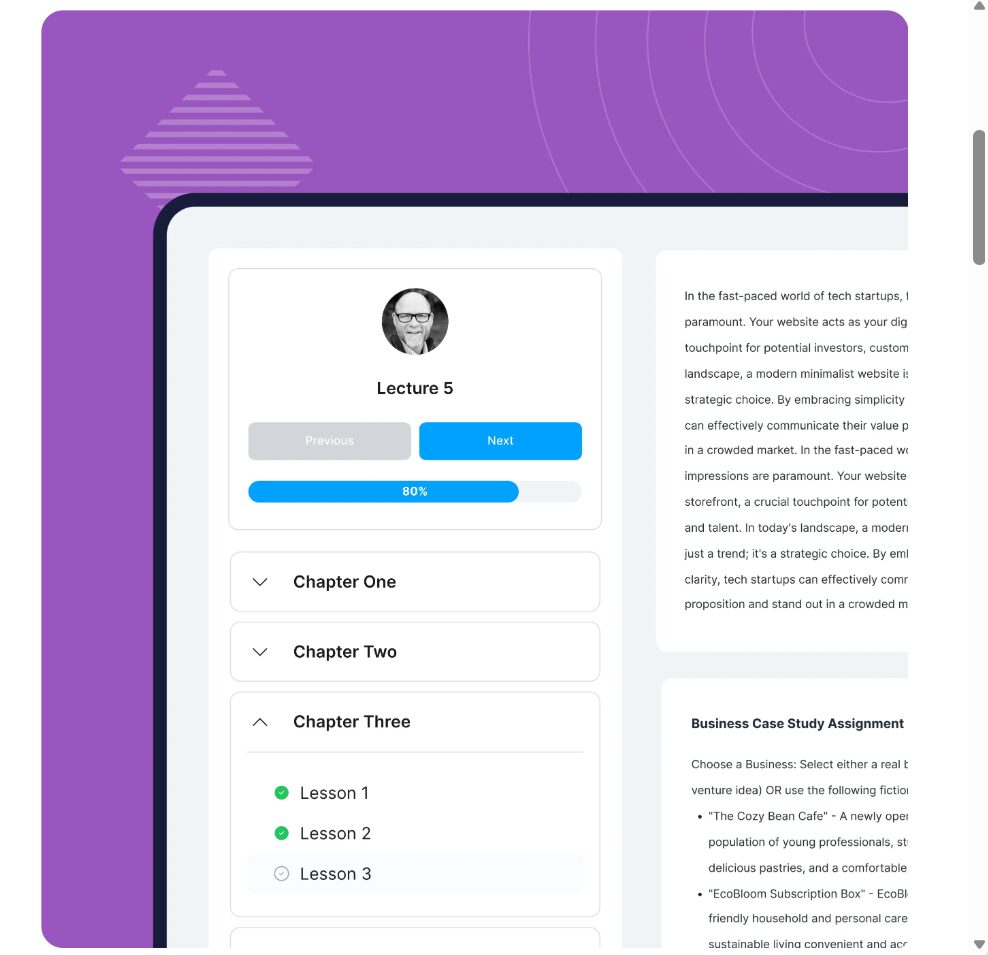
Getting started: Choose a specific skill you can teach better than available alternatives. Outline a comprehensive curriculum, breaking knowledge into digestible lessons. Record straightforward video content or create detailed written lessons. Launch on platforms like Teachable, Thinkific or Udemy and market through social media and professional networks.
Time requirements: Initially 40-80 hours creating the first course, depending on depth and production values. Ongoing maintenance requires 5-10 hours monthly, updating content and supporting students. Additional courses expand income without proportional time investment.
Realistic timeline: Creating the first course typically takes 2-4 months working part-time. Initial sales happen immediately upon launch, especially with audience promotion. Building to meaningful income requires 6-12 months as the student base grows and marketing improves.
Skillshare Creator Resources provides guidance for building successful online teaching businesses.
E-Commerce Without Inventory
These opportunities let you sell physical products without managing inventory or handling fulfilment logistics.
Print-on-Demand Products
Designing products sold through print-on-demand platforms eliminates inventory risk while letting you create offerings that reflect your aesthetic or serve specific audiences. T-shirts, mugs, phone cases, posters and countless other items can feature your designs, sold worldwide without requiring upfront inventory investment.
Products are manufactured only after customers order them, with production and shipping handled automatically. You focus entirely on creating compelling designs and marketing products, whilst logistics are managed for you.
Income potential: Modest shops generate $200-1,000 monthly profit after costs. Successful shops with strong followings and compelling designs generate $2,000-6,000+ monthly profit.
Getting started: Create designs using tools like Canva if you lack design experience or leverage existing creative skills. Set up shop on platforms like Printful, Printify or Redbubble. Create a cohesive collection rather than random individual designs. Price appropriately accounting for production costs and market positioning.
Time requirements: Initially, 15-20 hours weekly creating designs and establishing the shop. Once established, 8-12 hours weekly creating new designs and marketing.
Realistic timeline: First sales typically within the first month of launching, particularly with strong marketing. Building to steady income takes 6-12 months as the following grows and the design catalogue expands.
If you’re ready to build affiliate marketing or content-based businesses with long-term income potential, comprehensive guidance is available here
Dropshipping
Building an online store that sells products you don’t actually stock or ship yourself eliminates inventory management while letting you operate an e-commerce business. When customers purchase from your store, you order from a supplier who ships directly to the customer. You never touch inventory.
Success requires identifying profitable products, building effective online stores and driving targeted traffic through advertising or organic marketing. Competition is substantial, but opportunities exist for businesses serving specific niches well.
Income potential: Modest dropshipping stores generate $1,000-3,000 monthly profit after advertising and product costs. Successful stores generate $5,000-15,000+ monthly profit, though this requires substantial marketing investment and operational expertise.
Getting started: Research products with good profit margins and reasonable demand. Build a Shopify store using professional templates. Connect with suppliers through platforms like Spocket or Oberlo. Start with a small product range, testing viability before expanding. Learn Facebook or Google advertising to drive targeted traffic.
Time requirements: Initially, 20-30 hours weekly for learning systems and establishing the store. Once operational, 15-25 hours weekly managing orders, customer service and marketing.
Realistic timeline: Building to meaningful profit typically takes 8-15 months as you learn effective product selection, store optimisation and advertising. Many successful dropshippers report years 2-3 as when operations became smooth and profits substantial.
Amazon FBA Without Private Labelling
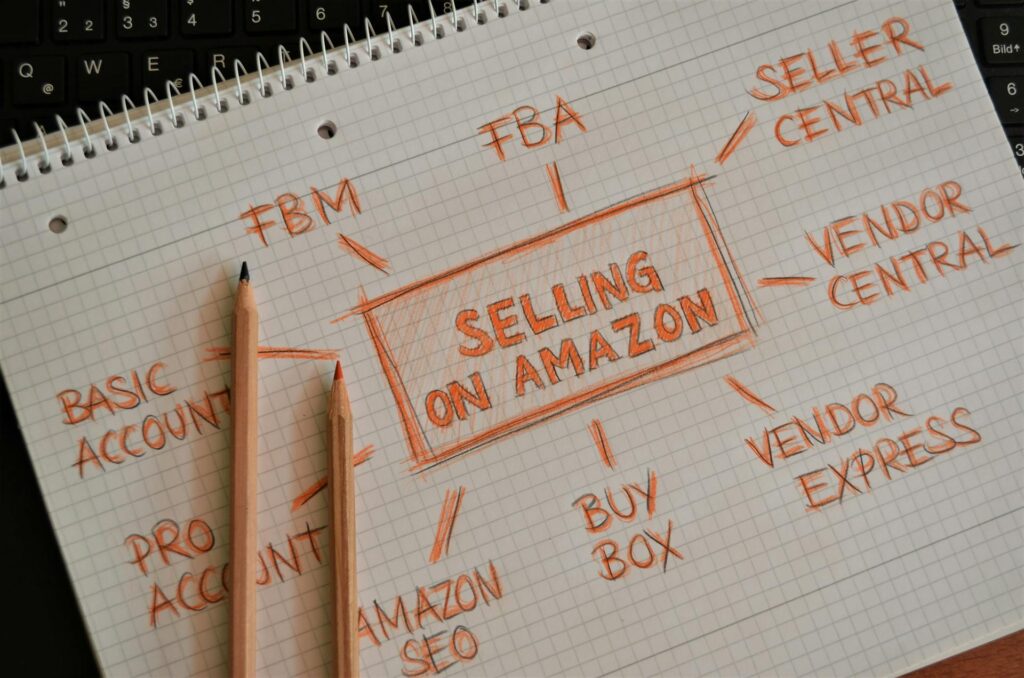
Selling existing products through Amazon FBA without creating private label brands reduces complexity while leveraging Amazon’s massive customer base and fulfilment infrastructure. Retail arbitrage involves buying products from retail stores at a discount and then reselling them on Amazon. Online arbitrage does the same using online retailers.
You ship inventory to Amazon warehouses, where they handle storage, packing and shipping. This approach requires less capital than private labelling whilst generating income from price differences between wholesale costs and retail prices.
Income potential: Modest operations generate $1,000-3,000 monthly profit. Established sellers focusing on this full-time generate $5,000-15,000+ monthly, though this requires substantial capital for inventory and time for sourcing.
Getting started: Learn Amazon FBA basics through free resources. Start with a small inventory testing process before investing substantially. Use tools like Keepa to track price history and sales ranks. Focus on products with consistent demand and good profit margins after Amazon fees.
Time requirements: Sourcing products, managing inventory and handling customer service require 15-30 hours weekly, depending on the operation scale.
Realistic timeline: First profits typically within 2-4 months of starting. Building to substantial income requires 8-15 months of learning effective sourcing and inventory management.
Specialised Online Work
These opportunities require specific skills but pay well for those possessing or willing to develop the necessary expertise.
Web Development and No-Code Solutions
Businesses need websites constantly, but many cannot afford custom development from programmers charging $100-200 hourly. Building functional websites using no-code platforms like WordPress, Webflow, Wix, or Squarespace creates opportunities to earn substantial income without requiring computer science degrees or years of coding experience.
You need to understand how these platforms work, what makes websites effective and how to translate client needs into functional solutions. Technical skills can be learned in weeks or months rather than years.
Income potential: No-code developers charge $50-100 hourly or $1,500-5,000+ per website project, depending on complexity. Building a steady client flow generates $3,500-8,000+ monthly from part-time work.
Getting started: Learn platforms thoroughly through official tutorials and practice projects. Build 3-5 portfolio websites showcasing different styles and functionalities. Offer the first few clients competitive rates in exchange for testimonials and case studies. Market through local business networks, online platforms and direct outreach to businesses with poor existing websites.
Time requirements: Simple websites require 10-15 hours, whilst complex projects require 30-50+ hours. Most developers work 20-30 hours weekly once established, managing multiple projects at different stages simultaneously.
Realistic timeline: Learning platforms sufficiently takes 6-12 weeks, depending on the starting point and time dedicated. First paying client typically within 4-8 weeks of active marketing. Building to steady income takes 4-8 months as portfolio and reputation develop.
Social Media Management
Small businesses and entrepreneurs need a social media presence, but they lack the time or expertise to manage it effectively. Social media managers create content, schedule posts, engage with audiences and grow followings for clients.
This work leverages skills you likely already possess through personal social media use, whilst creating businesses serving entrepreneurs who desperately need this support. You’re being paid for a combination of creativity, consistency and strategic thinking.
Income potential: Social media managers charge $300-1,200 monthly per client, depending on the scope of services. Managing 4-8 clients generates $1,200-9,600 monthly.
Getting started: Build a portfolio managing social media for friends’ businesses or nonprofit organisations. Create packages clearly defining what services include. Market through business networks, emphasising results you can deliver. Focus initially on serving specific industries or business types, building specialised expertise.
Time requirements: Content creation, scheduling and engagement for each client requires 8-15 hours monthly, depending on scope. Total time depends on the number of clients and the services provided.
Realistic timeline: First clients typically within 6-10 weeks of active marketing, particularly within your existing networks. Building to 4-6 steady clients takes 4-8 months as reputation develops and referrals increase.
Graphic Design and Visual Content
Businesses need visual content continuously for websites, social media, marketing materials, presentations and countless other applications. Graphic designers create logos, social media graphics, infographics, presentations and marketing materials, earning substantial income working entirely remotely.
Modern tools like Canva, Adobe Creative Suite and Figma make design more accessible than ever, whilst still rewarding genuine skill and artistic sensibility. Clients pay for results rather than hours worked, creating opportunities to earn well whilst working efficiently.
Income potential: Beginning designers earn $25-45 hourly or $200-600 per project. Experienced designers command $60-120+ hourly or $800-3,000+ per project, depending on complexity. Building a steady client base generates $3,000-7,000+ monthly from part-time work.
Getting started: Learn design fundamentals through affordable platforms like Skillshare or free resources like Canva Design School. Build a portfolio, creating sample work even if initially for fictional clients. Start on platforms like 99designs or Upwork, gaining initial clients and testimonials, then transition to direct clients as reputation develops.
Time requirements: Projects range from simple social media graphics requiring 1-2 hours to comprehensive brand identity work requiring 20-40 hours. Most designers work 15-25 hours weekly once established, serving multiple clients with varied project types.
Realistic timeline: First paying projects typically within 4-8 weeks once the portfolio exists. Building to steady income takes 4-8 months as skills improve and reputation develops.
Upwork Resources provides comprehensive guidance for building successful freelance businesses across multiple disciplines.

Managing Realistic Expectations
Success requires understanding what’s genuinely achievable whilst avoiding both pessimism that prevents starting and optimism that leads to disappointment.
Initial Income Will Be Modest
Starting any new income stream typically means starting at entry-level rates regardless of your capabilities in other domains. Expect the first months to generate $300-1,500 monthly rather than immediately replacing full salaries. This supplementary income is genuinely useful, but it’s not a life-changing amount.
View initial work as paid training, positioning you for a higher income rather than a permanent income level. The difference between month 3 and month 12 income is often 200-400% as skills improve, rates increase, and systems become more efficient.
Time Investment Precedes Income
Most online side hustles require substantial upfront time investment before generating meaningful income. Building audience, creating portfolio, developing skills and establishing reputation all take time that isn’t immediately compensated. This invisible work is essential, but it feels frustrating when you’re investing hours with minimal return.
Judge progress quarterly rather than weekly. Week-to-week variation will be discouraging, showing minimal visible progress. Quarter-over-quarter comparisons reveal a genuine trajectory demonstrating that consistent effort is actually working even when daily progress feels invisible.
If you’re ready to build affiliate marketing or content-based businesses with long-term income potential, comprehensive guidance is available here
Consistency Matters More Than Intensity
Working 12 hours weekly consistently for a year produces far more than occasional 40-hour weeks interspersed with weeks of nothing. Online side hustles succeed through compounding effects that require sustained effort rather than heroic bursts followed by exhaustion.
Many people start enthusiastically working unsustainable hours, then burn out completely within months. The ones who succeed are simply the ones who maintained modest, consistent effort long enough for compounding effects to accelerate results.
Different Paths Have Different Timelines
Freelance services generate income relatively quickly, often within the first month. Content businesses and affiliate marketing typically require 6-18 months before meaningful income appears. Digital products fall somewhere between, depending on the existing audience and marketing capabilities.
Choose paths matching your timeline needs and patience levels. If you need income next month, focus on freelance services rather than building content businesses requiring longer timelines. If you can invest time building assets that pay long-term, content and product businesses offer better leverage despite slower initial returns.

Moving Forward Strategically
Understanding the best online side hustles to make money provides a foundation, but translating knowledge into systematic action that actually generates income is where most aspiring online entrepreneurs fail. The gap between knowing these strategies and implementing them consistently is where dreams of supplementary income remain perpetually aspirational rather than becoming a tangible reality, depositing money into your account monthly.
What separates people who build sustainable online income from those who remain perpetually researching and planning is the simple willingness to begin imperfectly executing these strategies this week rather than waiting until they feel perfectly prepared or completely confident. Choose one specific opportunity from this guide that matches skills you possess or interests you enough to sustain motivation through difficult early months when effort exceeds visible results.
The best online side hustles to make money are not about discovering secret opportunities requiring minimal effort whilst generating substantial immediate income. They’re about building sustainable income sources through systematic effort that compounds over months, producing results whilst respecting that you have limited time available around other life commitments. Begin this week with one specific action toward one specific online income stream. Progress accumulates through persistent forward movement rather than perfect planning that never translates into actual work. Your situation is more common than you realise, and the income opportunities are genuine for people willing to build strategically rather than expecting instant results that rarely materialise, regardless of opportunity quality or personal capability.