

Retirement Doesn’t Mean the End of Your Productive Years
Let’s have an honest conversation about why you’re researching the best online business ideas for retirees right now. Perhaps your pension isn’t stretching as far as you’d hoped in this economy, where everything costs more than when you retired. Maybe you’re simply bored after three months of doing nothing and realise that golf twice a week and watching daytime television isn’t quite the fulfilling retirement you imagined. Or possibly you’ve got decades of valuable expertise that feels wasted sitting unused whilst younger people struggle with problems you could solve easily.
Whatever brought you here, you’re not alone. Millions of retirees discover that retirement as traditionally imagined (stopping work completely and living on a fixed income) simply doesn’t suit modern reality or modern lifespans. You’re potentially looking at 20-30 years of retirement, and the idea of spending all those years without purpose, challenge or supplemental income feels wrong. The good news is that starting an online business in retirement offers something beautifully suited to your situation: flexibility to work when you want, ability to leverage your lifetime of experience and opportunity to generate income without the stress and constraints of traditional employment.

What you don’t need is another article suggesting you become a social media influencer or start a YouTube channel, requiring you to learn complex video editing. You don’t need business ideas that demand 60-hour workweeks or require you to be glued to a computer when you’d rather be travelling or spending time with grandchildren. What you need are legitimate online business opportunities that respect your experience, fit your lifestyle, provide genuine income potential and offer the intellectual stimulation and purpose that make retirement genuinely satisfying rather than just a slow fade into irrelevance.
That’s exactly what this comprehensive guide provides, along with realistic assessments of what each business actually requires, honest income expectations and specific guidance for retirees navigating the online business world.
Why Retirees Are Uniquely Positioned for Online Business Success
Before exploring specific business ideas, let’s acknowledge the significant advantages you bring to online entrepreneurship that younger people often lack.
Advantage 1: Decades of Professional Experience
What You Have:
You’ve spent 30-40+ years developing expertise, industry knowledge, professional skills and business understanding that people would pay for.
The Value:
Your experience solving real-world problems is incredibly valuable to businesses and individuals facing similar challenges.
How This Translates:
- Consulting opportunities in your former industry
- Teaching and training others
- Writing about topics you know deeply
- Advising businesses on best practices
Young entrepreneurs have energy. You have wisdom. Wisdom often wins.
Advantage 2: Financial Stability
Your Situation:
Unlike younger entrepreneurs desperately needing income next month, you likely have:
- Pension or Social Security providing a baseline income
- Paid-off mortgage or low housing costs
- Established savings and retirement accounts
- Lower financial pressure
The Business Advantage:
Financial stability allows you to:
- Take time building the business properly
- Avoid desperate decisions
- Choose clients selectively
- Focus on quality over quick money
- Invest modestly in business growth
This patience is a tremendous competitive advantage.
Advantage 3: Time Availability
Your Reality:
You’re not juggling a full-time job, young children and a side business. Your time is genuinely yours to allocate.
The Opportunity:
- Work during optimal hours (not just evenings/weekends)
- Dedicate focused attention to business
- Take breaks without guilt
- Travel whilst maintaining business
- Scale up or down as desired
Caveat: Health issues or caregiving responsibilities may limit time, but generally, retirees have more controllable schedules than working-age adults.
Advantage 4: Professional Network
What You’ve Built:
Decades of career have created:
- Industry connections
- Former colleagues and clients
- Professional relationships
- Reputation and credibility
How This Helps:
Your first clients often come from your existing network. People who know your work quality will hire you or refer you.
This eliminates the hardest part of starting a business: finding initial customers.

Advantage 5: Communication Skills
What You Have:
Years of professional communication have developed:
- Email professionalism
- Client management abilities
- Negotiation skills
- Meeting facilitation
- Problem-solving approaches
Younger Entrepreneurs Often Lack:
Many struggle with professional communication, client management and business etiquette you’ve mastered.
This creates a competitive advantage in service-based businesses.
For retirees wanting comprehensive strategic guidance ensuring their online business actually generates income rather than just consuming time and money, visit how to make money from home online for the best options.
Realistic Expectations: Time, Money and Technology
Let’s establish realistic foundations before exploring specific business ideas.
Technology Considerations
The Truth:
If you’re worried about technology, that’s understandable. The online world has changed dramatically since you started your career.
The Good News:
Modern platforms are far more user-friendly than you imagine. Most require no coding or complex technical skills.
Tools You’ll Learn:
- Email and basic website (you probably know this already)
- Video calling (Zoom, which became common during the pandemic)
- Social media basics (simpler than you think)
- Payment processing (straightforward)
Timeline:
Most retirees become comfortable with necessary technology within 2-4 weeks of regular use.
Support:
YouTube tutorials, free courses and helpful communities make learning easier than ever.
Time Investment
Realistic Commitment:
Most successful retiree-run online businesses require:
- 10-20 hours weekly initially (building phase)
- 5-15 hours weekly once established (maintenance)
Flexibility:
Unlike traditional employment, you choose when those hours happen. Morning person? Work mornings. Prefer afternoons? Work then.
Scaling:
You can increase or decrease time based on travel plans, health needs or simply preference.
Income Potential
First Year Realistic Ranges:
Modest Success:
- Months 1-3: $0-500 monthly
- Months 4-6: $500-1,500 monthly
- Months 7-12: $1,500-3,000 monthly
Strong Success:
- Months 6-12: $3,000-6,000 monthly
- Year 2: $6,000-12,000+ monthly
These are genuine, achievable ranges based on 10-20 hours of weekly effort.
Startup Costs
Typical Investment:
Most online businesses suitable for retirees require:
- Minimal: $0-300 (basic tools and platforms)
- Moderate: $300-1,000 (professional setup)
- Established: $1,000-3,000 (fully professional infrastructure)
Start minimal. Invest profits as the business grows.
Business Idea 1: Industry-Specific Consulting
What It Is:
Offering expert advice and guidance to businesses or professionals in your former industry based on your decades of experience.
Why Perfect for Retirees:
You’ve already got the expertise. You’re just packaging and selling it differently.
Time Commitment:
Highly flexible. Typical consulting engagements are:
- Hourly sessions (1-2 hours)
- Project-based work (complete on your schedule)
- Retainer arrangements (ongoing but flexible)
Startup Costs:
$100-500 (professional website, video conferencing tools, scheduling software)
Income Potential:
Consulting Rates:
- $75-150 per hour (general business consulting)
- $150-300 per hour (specialised expertise)
- $200-500+ per hour (executive-level consulting)
Monthly Income (10 hours weekly at $150/hour):
- $6,000 monthly
- $72,000 yearly
Skills Needed:
- Deep knowledge in a specific area (you already have this)
- Ability to advise and guide (you’ve done this your whole career)
- Professional communication (second nature to you)
- Basic technology for video calls
How to Start:
Week 1:
- Define your consulting niche (what specific problem do you solve?)
- Identify target clients (who need your expertise?)
- Create a LinkedIn profile highlighting experience
- Set initial hourly rate ($100-150 to start)
Week 2:
- Build a simple website using Wix or WordPress
- Write 2-3 articles demonstrating expertise
- Create case studies from career successes
- Set up Calendly for scheduling
Week 3-4:
- Reach out to former colleagues, announcing availability
- Join LinkedIn groups in your industry
- Offer free initial consultations to the first 3 clients
- Request testimonials
First Clients:
Most come from your existing network. Email former colleagues, industry contacts and professional connections, letting them know you’re available for consulting.
Realistic Assessment:
Pros:
- Leverages existing expertise perfectly
- High hourly rates justify limited hours
- Flexible scheduling
- Intellectually stimulating work
- Maintains professional identity
Cons:
- Requires scheduled calls (less flexible than some options)
- Need to stay current in your field
- Income is dependent on active work
- Some industries are harder to consult remotely
Best For:
Retirees with deep expertise in specific industries, comfortable with video calls and wanting to maintain professional engagement.

For retirees wanting comprehensive strategic guidance ensuring their online business actually generates income rather than just consuming time and money, visit how to make money from home online for the best options.
Business Idea 2: Online Course Creation
What It Is:
Recording video or written courses teaching specific skills or knowledge, then selling repeatedly without an ongoing time commitment after creation.
Why Perfect for Retirees:
Create once using your lifetime of knowledge, and earn repeatedly for years.
Time Commitment:
Heavy upfront (60-100 hours creating course), then 2-5 hours monthly maintaining and marketing.
Startup Costs:
$200-800 (course platform, microphone, screen recording software, website)
Income Potential:
Course Pricing:
- Beginner courses: $50-150
- Intermediate courses: $150-400
- Advanced/professional courses: $400-1,500+
Monthly Income Potential:
Conservative (sell 10 courses monthly at $200):
- $2,000 monthly
- $24,000 yearly
Strong Success (sell 30 courses monthly at $300):
- $9,000 monthly
- $108,000 yearly
Skills Needed:
- Expertise worth teaching (you have this)
- Ability to explain concepts clearly
- Basic video recording (easier than you think)
- Willingness to market the course
Course Topics from Retiree Experience:
Business Skills:
- Project management
- Business writing
- Negotiation techniques
- Leadership development
- Industry-specific training
Professional Skills:
- Your specific career expertise
- Processes you mastered
- Common industry problems and solutions
Life Skills:
- Financial planning from experience
- Career transition guidance
- Retirement planning insights
How to Start:
Month 1: Planning
- Choose a course topic (what do you know that people want to learn?)
- Research competing courses
- Outline the complete curriculum
- Decide on format (video, written, mixed)
Month 2: Creation
- Record or write the course content section by section
- Create supporting materials (worksheets, templates, resources)
- Edit content for clarity
- Build a course on a platform (Teachable, Thinkific or Systeme.io)
Month 3: Launch
- Set pricing strategy
- Create a sales page
- Market to network and relevant communities
- Gather testimonials from beta students
Platforms:
- Teachable: User-friendly, $39-119 monthly
- Thinkific: Similar to Teachable, free to $499 monthly
- Udemy: Marketplace with built-in students but lower prices
- Systeme.io: All-in-one, including courses, email marketing, $0-97 monthly
Realistic Assessment:
Pros:
- Genuinely passive income after creation
- Leverages your expertise perfectly
- Work entirely on your schedule
- Scale without more time
- Leave a legacy of your knowledge
Cons:
- Significant upfront time investment
- Learning curve for recording/editing
- Marketing is required for sales
- Takes 4-6 months to generate meaningful income
Best For:
Retirees with specific, teachable expertise, patient enough for delayed gratification and interested in creating lasting digital assets.
Business Idea 3: Freelance Writing
What It Is:
Writing articles, blog posts and content for businesses needing regular content but lacking in-house writers.
Why Perfect for Retirees:
Write on your schedule, leverage professional writing skills developed over a career and work from anywhere.
Time Commitment:
Completely flexible. Write whenever you have available time.
Startup Costs:
$0-200 (optional portfolio website, grammar checking tools)
Income Potential:
Rates by Experience:
- Beginner: $50-100 per article
- Intermediate: $100-250 per article
- Experienced: $250-600+ per article
Monthly Income (writing 8 articles monthly at $200):
- $1,600 monthly
- $19,200 yearly
Skills Needed:
- Good writing ability (career likely developed this)
- Research skills
- Meeting deadlines
- Basic understanding of target audiences
Niches Perfect for Retirees:
Business Writing:
- Industry-specific content
- Professional development
- Business strategy
Finance and Investment:
- Retirement planning
- Investment strategies
- Personal finance
Health and Wellness:
- Senior health topics
- Medicare guidance
- Healthy ageing
Travel:
- Senior travel
- Accessible tourism
- Budget travel
How to Start:
Week 1:
- Choose a writing niche based on expertise
- Write 3-5 sample articles for portfolio
- Create a simple portfolio website (Wix or WordPress)
Week 2:
- Sign up for content platforms (Upwork, Fiverr, Contently)
- Create compelling profiles highlighting experience
- Apply to 10 job postings
Week 3-4:
- Pitch directly to businesses in your niche
- Join writer communities and job boards
- Complete first paid assignments
- Request testimonials
Finding Clients:
- Content Platforms: Upwork, Fiverr (competitive but good for starting)
- Direct Pitching: Email businesses needing content
- Job Boards: ProBlogger, Freelance Writing Jobs
- Networking: LinkedIn connections in target industries
Realistic Assessment:
Pros:
- Total flexibility (work any time, anywhere)
- Leverage professional writing skills
- Low barrier to entry
- Immediate income potential
- Diverse topics keep work interesting
Cons:
- Takes 1-2 months to build a steady client base
- Income directly tied to writing (not passive)
- Some clients are difficult to work with
- Need to market yourself consistently
Best For:
Retirees who enjoy writing, want maximum flexibility and don’t mind an active income model.

Business Idea 4: Virtual Bookkeeping Services
What It Is:
Managing financial records, invoices and basic accounting for small businesses remotely.
Why Perfect for Retirees:
Many retirees have accounting or financial management experience from careers, even if not professionally trained accountants.
Time Commitment:
10-15 hours weekly, mostly flexible with some monthly deadlines.
Startup Costs:
$200-600 (accounting software subscriptions, certification if needed)
Income Potential:
Service Pricing:
- $30-50 per hour
- $300-600 per client monthly (retainer)
- 5 retainer clients = $1,500-3,000 monthly
Skills Needed:
- Basic accounting knowledge
- Attention to detail
- Proficiency with QuickBooks or similar
- Understanding of business finances
Services Offered:
- Monthly bookkeeping
- Invoice management
- Expense tracking
- Financial report preparation
- Tax preparation assistance
- Payroll processing
How to Start:
Month 1: Preparation
- Get certified if needed (bookkeeper certification courses available online)
- Learn QuickBooks Online thoroughly (free trial available)
- Choose target client type (retail, service businesses, consultants, etc.)
Month 2: Setup
- Create a simple website highlighting services
- Join bookkeeper networks and groups
- Get insurance (errors and omissions coverage)
- Set pricing structure
Month 3: Client Acquisition
- Reach out to the small business owner network
- Offer the first month free or discounted for testimonials
- Join local business groups virtually
- Market on LinkedIn
Realistic Assessment:
Pros:
- Recurring monthly income (retainer model)
- Remote work completely
- Leverage financial skills from a career
- Predictable workload
- Business owners are desperate for good bookkeepers
Cons:
- Monthly deadlines must be met
- Responsibility for accuracy
- Learning curve for accounting software
- Some face-to-face or video meetings are required
Best For:
Detail-oriented retirees with a financial background, comfortable with accounting software and wanting steady, recurring income.
For retirees wanting comprehensive strategic guidance ensuring their online business actually generates income rather than just consuming time and money, visit how to make money from home online for the best options.
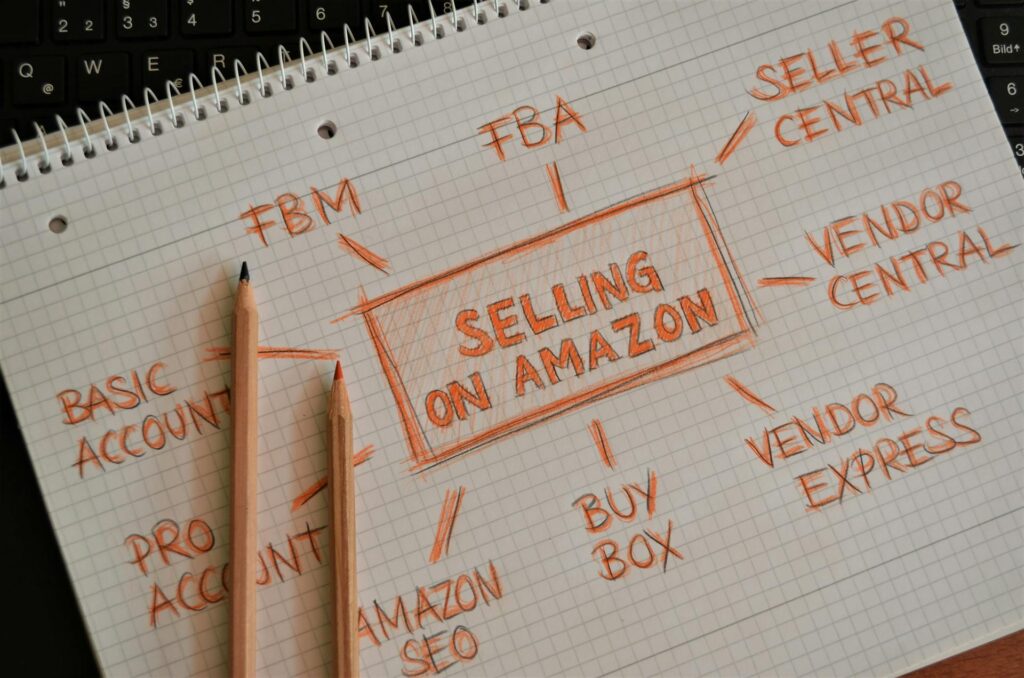
Business Idea 5: Amazon FBA (Fulfilment by Amazon)
What It Is:
Selling physical products on Amazon, where Amazon handles storage, shipping and customer service.
Why Perfect for Retirees:
No need to handle inventory personally. Amazon does heavy lifting whilst you focus on product selection and business management.
Time Commitment:
15-20 hours weekly (product research, supplier management, listing optimisation).
Startup Costs:
$2,000-5,000 (initial inventory, Amazon fees, product samples)
Income Potential:
Highly variable:
- Modest Success: $1,000-3,000 monthly
- Strong Success: $5,000-15,000 monthly
- Established Business: $15,000-50,000+ monthly
Skills Needed:
- Product research ability
- Basic marketing understanding
- Supplier negotiation
- Financial management
How It Works:
- Research profitable products with low competition
- Source products from suppliers (often overseas)
- Ship inventory to Amazon warehouses
- Amazon stores, packs and ships when customers order
- You earn profit minus Amazon fees and costs
How to Start:
Month 1: Research
- Take free Amazon FBA courses (many available on YouTube)
- Research product categories and competition
- Identify 10-20 potential products
- Calculate profit margins
Month 2: Testing
- Choose 2-3 products to test
- Order samples from suppliers
- Create an Amazon seller account ($39.99 monthly)
- Create product listings
Month 3: Launch
- Order initial inventory (start small)
- Ship to the Amazon warehouse
- Monitor sales and adjust pricing
- Gather reviews
Realistic Assessment:
Pros:
- Scalable business model
- Amazon handles logistics
- Work from anywhere
- Potential for substantial income
- Can sell the business eventually
Cons:
- Significant upfront investment
- Competition is intense in many categories
- Amazon’s fee structure cuts into profits
- Risk of inventory not selling
- Learning curve substantial
Best For:
Retirees with capital to invest, interest in e-commerce, business management skills and tolerance for some financial risk.
For retirees wanting comprehensive strategic guidance ensuring their online business actually generates income rather than just consuming time and money, visit how to make money from home online for the best options.
Business Idea 6: Career Coaching for Your Industry
What It Is:
Helping younger professionals navigate careers in your industry based on your experience climbing the ladder.
Why Perfect for Retirees:
You’ve already lived the career journey. You know what works, what doesn’t and how to navigate industry politics.
Time Commitment:
10-15 hours weekly (client calls, programme development, marketing).
Startup Costs:
$300-800 (website, scheduling tools, video conferencing, marketing)
Income Potential:
Service Pricing:
- $100-200 per session
- $500-1,500 monthly coaching packages
- $2,000-5,000 group programme fees
Monthly Income (5 coaching clients at $800):
- $4,000 monthly
- $48,000 yearly
Coaching Services:
- One-on-one career coaching
- Resume and LinkedIn optimisation
- Interview preparation
- Career transition guidance
- Leadership development
- Industry navigation strategies
How to Start:
Month 1:
- Define your coaching niche (what aspect of a career you’ll help with)
- Create coaching packages and pricing
- Build a website with booking capability
- Write content demonstrating expertise
Month 2:
- Offer free introductory sessions to the first 5 clients
- Gather testimonials
- Join LinkedIn groups in your industry
- Share career advice content regularly
Month 3:
- Launch paid coaching services
- Create a group coaching programme
- Build an email list of potential clients
- Refine the offering based on feedback
Realistic Assessment:
Pros:
- Meaningful work helping others
- High-value service (premium pricing)
- Leverage career experience perfectly
- Flexible scheduling
- Build recurring client relationships
Cons:
- Requires scheduled calls
- Need to establish credibility
- Emotional labour involved
- Marketing yourself necessary
Best For:
Retirees who enjoyed mentoring during their careers are comfortable giving advice and guidance and are interested in helping others succeed.
Business Idea 7: Etsy Digital Products Shop
What It Is:
Creating and selling digital products (templates, planners, guides, printables) on Etsy that customers download after purchase.
Why Perfect for Retirees:
Create products once, sell unlimited times without inventory or shipping concerns.
Time Commitment:
15-25 hours weekly initially creating products, then 5-10 hours weekly maintaining and marketing.
Startup Costs:
$100-400 (design tools like Canva Pro, Etsy fees, initial marketing)
Income Potential:
Product Pricing:
- Simple printables: $3-10
- Templates and planners: $10-30
- Comprehensive guides: $30-100
Monthly Income Potential:
Modest Success (50 sales monthly at $15 average):
- $750 monthly
- $9,000 yearly
Strong Success (200 sales monthly at $20 average):
- $4,000 monthly
- $48,000 yearly
Digital Products Suited for Retirees:
Business Templates:
- Meeting agenda templates
- Project planning documents
- Business plan templates
- Budget trackers
Planners and Organisers:
- Retirement planning printables
- Health tracking journals
- Travel planning templates
- Financial worksheets
Industry-Specific Resources:
- Training materials
- Procedure templates
- Checklists and workflows
How to Start:
Week 1-2:
- Research successful Etsy digital shops
- Identify a product category that matches your skills
- Learn Canva for product creation
- Create the first 5 products
Week 3-4:
- Open Etsy shop ($0.20 per listing)
- Create compelling product listings
- Take quality product photos/mockups
- Set competitive pricing
Month 2-3:
- Add 10-15 more products
- Optimise listings based on Etsy search
- Share on social media
- Gather reviews
Realistic Assessment:
Pros:
- Genuinely passive income
- No inventory or shipping
- Create on your schedule
- Unlimited scalability
- Low ongoing maintenance
Cons:
- Competition substantial
- Takes 3-6 months to gain traction
- Etsy fees reduce profits
- Need design skills or willingness to learn
- Marketing required
Best For:
Creative retirees comfortable with digital design tools, patient with slow initial growth and interested in building passive income streams.

Business Idea 8: Grant Writing for Nonprofits
What It Is:
Writing grant proposals for nonprofit organisations seeking funding from foundations, corporations and government agencies.
Why Perfect for Retirees:
Many retirees have professional writing skills and understanding of organisational needs that transfer perfectly to grant writing.
Time Commitment:
Flexible. Most grants are project-based with deadlines, but work happens on your schedule.
Startup Costs:
$100-300 (website, professional development courses, grant database access)
Income Potential:
Service Pricing:
- $50-100 per hour
- $1,500-5,000 per grant proposal
- $3,000-8,000 monthly retainers
Monthly Income (2-3 grants monthly at $3,000 average):
- $6,000-9,000 monthly
- $72,000-108,000 yearly
Skills Needed:
- Strong writing ability
- Research skills
- Understanding of the nonprofit sector
- Attention to detail
- Meeting deadlines
How to Start:
Month 1:
- Take a grant writing course (many free options available)
- Study successful grant proposals
- Volunteer for a local nonprofit, writing a small grant
- Build a portfolio from volunteer work
Month 2:
- Create a website offering services
- Network with nonprofit leaders
- Join grant writer associations
- Set initial pricing
Month 3:
- Pitch services to nonprofits
- Offer discounted rates for testimonials
- Attend nonprofit networking events (virtual okay)
- Build an email list of nonprofit contacts
Finding Clients:
- Local nonprofit organisations
- Online nonprofit job boards
- Grant writer networks
- LinkedIn nonprofit groups
According to the Nonprofit Leadership Alliance, effective grant writing remains one of the most in-demand skills in the nonprofit sector, with experienced grant writers earning substantial fees.
Realistic Assessment:
Pros:
- Meaningful work helping causes
- High-value service (good rates)
- Leverage professional writing skills
- Project-based (complete on schedule)
- Growing demand
Cons:
- Strict deadlines must be met
- High responsibility (organisations depend on funding)
- Need to learn grant writing specifics
- Seasonal variation (many grants due same time)
Best For:
Strong writers interested in meaningful work, comfortable with deadlines and research and wanting to support nonprofit missions.
Business Idea 9: Online Language Tutoring
What It Is:
Teaching English (or other languages you speak) to students worldwide via video conferencing.
Why Perfect for Retirees:
If you’re a native English speaker, you already possess the primary qualification needed.
Time Commitment:
Flexible. Schedule classes when convenient (though some platforms require availability during specific hours).
Startup Costs:
$50-200 (quality headset, webcam, quiet teaching space setup)
Income Potential:
Rates:
- $15-25 per hour (beginner platforms)
- $25-50 per hour (independent tutoring)
- $30-60 per hour (business English)
Monthly Income (15 hours weekly at $30/hour):
- $1,800 monthly
- $21,600 yearly
Platforms:
- VIPKid: Teach Chinese students English ($14-22/hour)
- Italki: Set your own rates, worldwide students
- Preply: Connect with language learners globally
- Cambly: Casual English conversation practice
Requirements:
- Native English fluency (or fluency in another language)
- Reliable internet connection
- Quiet space for teaching
- Patience and teaching ability
How to Start:
Week 1:
- Apply to 2-3 platforms
- Complete platform requirements
- Create an engaging teaching profile
- Set competitive rates
Week 2-3:
- Complete platform training
- Practice teaching sessions
- Schedule the first students
- Gather initial reviews
Month 2:
- Build a regular student base
- Refine teaching approach
- Increase rates gradually
- Consider additional platforms
Realistic Assessment:
Pros:
- Low barrier to entry
- Meet interesting people worldwide
- Flexible scheduling
- Work from anywhere with internet
- Rewarding helping students learn
Cons:
- Some platforms require specific hours
- Pay rates vary significantly
- Need a quiet environment
- Technology requirements
- Platform fees reduce earnings
Best For:
Patient retirees who enjoy teaching, are comfortable with video calls and technology and willing to work with international students.

Business Idea 10: eBay Reselling Business
What It Is:
Buying products at thrift stores, estate sales or wholesale, then reselling on eBay for profit.
Why Perfect for Retirees:
Gets you out of the house for sourcing products whilst building a business that combines treasure hunting with entrepreneurship.
Time Commitment:
10-15 hours weekly (sourcing, listing, shipping).
Startup Costs:
$300-1,000 (initial inventory, shipping supplies, photography setup)
Income Potential:
Typical Margins:
- Buy for $10, sell for $40 (after fees, profit $15-20)
- 50-100 items monthly = $750-2,000 profit
Monthly Income:
- Part-time: $1,000-3,000
- Full-time effort: $3,000-8,000+
Best Categories for Retirees:
Based on Expertise:
- Vintage items you remember from your youth
- Industry-specific equipment you understand
- Books and media
- Collectibles
How to Start:
Week 1:
- Create an eBay seller account
- Research profitable categories
- Visit thrift stores and note pricing
- Study eBay sold listings for market prices
Week 2-3:
- Buy first 10-20 items
- Photograph and list on eBay
- Learn shipping procedures
- Process first sales
Month 2-3:
- Reinvest profits in more inventory
- Find reliable sourcing locations
- Develop speciality knowledge
- Build seller reputation
Sourcing Strategies:
- Thrift stores (Goodwill, Salvation Army)
- Estate sales and auctions
- Garage sales
- Wholesale lots
- Liquidation sales
Realistic Assessment:
Pros:
- Active work (gets you moving)
- The treasure hunting aspect is fun
- Can specialise in interests
- Low startup investment
- Immediate income potential
Cons:
- Physical work (lifting, shipping)
- Need storage space
- Items don’t always sell quickly
- Shipping logistics
- eBay fees and competition
Best For:
Active retirees who enjoy hunting for bargains, don’t mind physical activity and want business that combines a hobby with income.
Business Idea 11: Pet Sitting and Dog Walking (Rover)
What It Is:
Providing pet care services through the Rover platform, including dog walking, pet sitting and house sitting.
Why Perfect for Retirees:
Flexible work gets you active and moving and combines supplemental income with animal companionship.
Time Commitment:
Completely flexible. Accept bookings when convenient, decline when travelling or busy.
Startup Costs:
$0-100 (background check through Rover, pet supplies)
Income Potential:
Service Rates:
- Dog walking: $15-30 per walk
- Pet sitting: $25-50 per day
- House sitting: $40-75 per night
Monthly Income (providing 3-4 services daily):
- $2,000-4,000 monthly
Services Offered:
- Daily dog walks
- Drop-in visits
- Overnight pet sitting
- House sitting
- Doggy day care
How to Start:
Week 1:
- Create a Rover profile
- Complete background check
- Write a compelling profile highlighting experience
- Set competitive initial rates
Week 2:
- Offer discounted first bookings
- Request reviews
- Build calendar availability
- Network with local pet owners
Month 2:
- Increase rates as reputation builds
- Develop regular clients
- Expand services offered
- Build a busy schedule
Realistic Assessment:
Pros:
- Flexible scheduling completely
- Active work (health benefits)
- Animal companionship
- Meet local people
- Low barrier to entry
Cons:
- Physical demands
- Weather considerations
- Responsibility for animals
- Need reliable transportation
- Some bookings require overnight stays
Best For:
Active, animal-loving retirees who want a flexible income, don’t mind physical activity and have reliable transportation.

Business Idea 12: Affiliate Marketing Blog
What It Is:
Creating a blog reviewing products and services, earning commissions when readers purchase through your affiliate links.
Why Perfect for Retirees:
Write about topics you know, work entirely on your schedule and build genuinely passive income over time.
Time Commitment:
10-15 hours weekly writing and promoting.
Startup Costs:
$100-400 yearly (hosting, domain, email marketing, tools)
Income Potential:
Timeline:
- Months 1-6: $0-200 monthly
- Months 7-12: $200-1,000 monthly
- Year 2: $1,000-3,000 monthly
- Year 3+: $3,000-10,000+ monthly
Topics Perfect for Retirees:
Travel:
- Senior travel
- Accessible destinations
- Budget travel
- RV living
Health and Wellness:
- Fitness over 60
- Healthy ageing
- Medical devices
- Supplements
Hobbies:
- Woodworking
- Gardening
- Photography
- Whatever you’re passionate about
Finance:
- Retirement planning
- Investment strategies
- Medicare guidance
How to Start:
Month 1:
- Choose a blog niche
- Set up a WordPress blog
- Join relevant affiliate programmes
- Write the first 5 articles
Month 2-3:
- Publish 2-3 articles weekly
- Build an email list
- Promote on social media
- Learn basic SEO
Month 4-6:
- Continue consistent publishing
- Build backlinks
- Optimise top-performing content
- First affiliate sales
Year 1: Focus on creating quality content and building traffic. Revenue grows slowly, then accelerates.
According to data from the U.S. Small Business Administration, online businesses, including affiliate marketing, show strong growth potential for entrepreneurs of all ages, with lower startup costs and overhead than traditional businesses.
Realistic Assessment:
Pros:
- Genuinely passive income potential
- Work completely flexible
- Write about interests
- Compounds over time
- Build a valuable asset
Cons:
- Very slow initial income
- Requires consistent effort
- Technical learning curve
- Competitive space
- 12-18 months to meaningful income
Best For:
Patient retirees who enjoy writing, are interested in building long-term passive income and are comfortable with delayed gratification.
Common Mistakes Retirees Make Starting Online Businesses
Learn from these frequent errors.
Mistake 1: Underestimating Your Value
The Problem:
Setting rates too low because you think your age makes you less valuable.
The Reality:
Your experience makes you MORE valuable, not less. You’ve got decades of knowledge others lack.
The Solution:
Research market rates and set pricing matching your experience level, not below it.

Mistake 2: Technology Fear Paralysis
The Problem:
Not starting because you’re worried about technology.
The Reality:
Modern platforms are user-friendly. Most retirees learn the necessary technology within weeks.
The Solution:
Start with the simplest option. Learn as you go. YouTube tutorials make learning easy.
Mistake 3: Trying to Build a Business Without Help
The Problem:
Attempting to figure out everything independently.
The Reality:
Successful entrepreneurs learn from others’ experiences rather than repeating every mistake personally.
The Solution:
Join online communities, take courses and connect with others building similar businesses.
Mistake 4: Choosing Businesses Requiring Physical Labour
The Problem:
Starting businesses like Amazon FBA or eBay reselling without considering physical demands.
The Reality:
As we age, physical limitations become more significant. Choose businesses matching your physical capabilities.
The Solution:
Be realistic about physical abilities. Choose more sedentary options if physical work is challenging.
Mistake 5: Not Marketing Services
The Problem:
Building a business and expecting customers to find you without promotion.
The Reality:
Even with excellent services, you must market yourself.
The Solution:
Dedicate 20-30% of business time to marketing. Tell people about your services consistently.
Technology Guide for Retirees
Let’s demystify the technology you’ll actually need.
Essential Tools (What You Must Learn)
Email: You probably already use this. That’s 50% of what you need.
Video Conferencing (Zoom/Skype):
- Click the link to join the meeting
- Turn on the camera and microphone
- That’s genuinely most of it
Learning Time: 30 minutes
Simple Website (Wix/WordPress):
- Choose template
- Replace text with yours
- Add pictures
- Publish
Learning Time: 2-4 hours (spread across days)
Social Media Basics:
- Create account
- Post updates
- Respond to comments
- Share content
Learning Time: 1-2 hours per platform
Optional Tools (Nice But Not Essential)
Email Marketing (MailChimp/ConvertKit): Only needed once building email list.
Design Tools (Canva): Only if creating visual content.
Accounting Software (QuickBooks): Only for certain business types.
Getting Technology Help
Free Resources:
- YouTube tutorials (search “how to use [tool] for beginners”)
- Library computer classes
- Platform help centres
Paid Help:
- Fiverr (hire someone for one-time setup: $20-100)
- Local computer training
- Community college courses
The Truth:
If you can use email and browse websites, you can learn everything else needed. It’s less intimidating than you imagine.

Financial Considerations Specific to Retirees
Important financial aspects to consider.
Social Security Implications
The Earnings Test:
If receiving Social Security before full retirement age and still working:
- 2024 earnings limit: $21,240
- Earnings above limit: $1 in benefits withheld for every $2 earned
After Full Retirement Age: No earnings limit. Run a business without Social Security impact.
Tax Implications: Business income may make Social Security taxable. Consult a tax professional.
Medicare Considerations
Good News:
Business income doesn’t affect Medicare eligibility.
Bad News:
Higher income may increase Medicare Part B and D premiums.
IRMAA (Income-Related Monthly Adjustment Amount): If modified adjusted gross income exceeds certain thresholds, Medicare premiums increase.
Plan Accordingly:
Consider timing business growth around Medicare premium brackets.
Tax Advantages of Business Ownership
Deductions:
- Home office deduction
- Business expenses
- Equipment purchases
- Professional development
- Marketing costs
Retirement Savings:
Establish a Solo 401(k) or SEP IRA to shelter business income and continue retirement savings.
Consult Professional:
Work with an accountant familiar with self-employment and retirement issues.
Your Implementation Plan: 90 Days to Launch
Stop researching. Start building.
Days 1-7: Decision Week
Day 1-2:
- Review all business ideas
- Note which match your skills and interests
- Eliminate options requiring physical work beyond your capabilities
- Eliminate options requiring technology you’re unwilling to learn
Day 3-4:
- Research the chosen ideas more deeply
- Join Facebook groups or forums for each
- Ask real people about their experiences
Day 5:
- Choose ONE business idea
- Commit to a 90-day test
Day 6-7:
- Write a basic business plan (one page):
- What will you offer?
- Who will you serve?
- How will you find customers?
- What do you need to start?
Days 8-30: Foundation Month
Week 2:
- Set up necessary accounts
- Create a basic website or profile
- Join relevant professional networks
Week 3:
- Create portfolio samples or first offerings
- Set initial pricing
- Prepare marketing materials
Week 4:
- Launch soft opening to friends/network
- Gather initial feedback
- Make adjustments
Days 31-60: Building Momentum
Month 2 Focus:
- Market consistently
- Deliver excellent service to initial clients
- Request testimonials
- Refine offering based on feedback
Expected Results:
- 1-5 clients or first sales
- $0-800 income
- Valuable learning
Days 61-90: Establishing Business
Month 3 Focus:
- Scale what’s working
- Develop efficient processes
- Increase marketing efforts
- Consider raising prices
Expected Results:
- 5-10 clients or regular sales
- $500-2,000 income
- Clear direction forward

Your Next Chapter Starts Now
We’ve explored twelve realistic Best Online Business Ideas For Retirees with honest assessments of requirements, income potential and suitability for your unique situation as a retiree. You now understand that retirement doesn’t mean the end of your productive years but rather an opportunity to leverage decades of experience in flexible, fulfilling ways that provide both income and purpose.
The retirees earning $2,000, $5,000 or $10,000 monthly from online businesses didn’t possess magical advantages you lack. They simply chose ideas matching their skills and situation, started before feeling completely ready and persisted through the inevitable learning curve rather than giving up when the first few things proved challenging. Your age isn’t a disadvantage in online business. Your experience, professional skills, financial stability and available time are tremendous competitive advantages younger entrepreneurs desperately wish they had.
Here’s what matters most: choose one business idea from this comprehensive guide, start this week with whatever imperfect first step you can manage and commit to sticking with it for at least 90 days while adjusting based on real feedback. The paralysis of endlessly researching options and worrying about technology wastes more time than simply picking a solid option and executing. You’ve successfully navigated decades of professional challenges far more complex than building an online business. The technology is learnable, the skills are transferable and the opportunity is genuine.

Your grandchildren won’t remember that you spent afternoons at your computer. They will remember that you showed them retirement can be a time of growth, purpose and contribution rather than decline. The guilt or concern you might feel about “working” in retirement is misplaced when you recognise that meaningful work providing intellectual stimulation, social connection and financial security enhances retirement rather than diminishing it.
The Best Online Business Ideas For Retirees aren’t theoretical concepts but practical opportunities real people your age are executing successfully right now, whilst enjoying retirement on their terms. Your decades of experience deserve to be monetised and shared rather than wasted. Choose your business idea today, start before you’re completely comfortable and review this article in six months when you’re earning supplemental income doing something meaningful that fits perfectly around the retirement lifestyle you’ve chosen. For comprehensive guidance ensuring your online business serves your retirement goals rather than becoming a stressful obligation, visit how to make money from home online for strategic frameworks designed specifically for sustainable business building.