
How to Make Money With Facebook: 9 Real Methods That Work in 2026
If you have ever scrolled through your Facebook feed and wondered whether other people are making money from it, the answer is yes. Many people are making money there in more ways than most people realise. Learning how to make money with Facebook no longer requires being a big brand or a full-time influencer.
With over 3 billion monthly active users and a growing set of creator tools, Facebook in 2026 offers genuine earning chances for ordinary people, small company owners and freelancers. This guide covers 9 practical methods, what each involves and how to get started without wasting time on approaches that do not work.
Is Facebook Still Worth Using to Make Money?
Before we get into the methods, it is fair to ask whether Facebook is still a relevant platform for earning in 2026. The short answer is yes, but it does require the right approach.
Facebook reaches more people than any other social network. As of early 2025, it has 3.065 billion monthly active users. The platform has expanded its commerce and creator tools and launched a unified content payment programme.
Hundreds of millions of shoppers use Facebook Marketplace every month.
Roughly 16% of all active Facebook users log in mainly to browse Marketplace. That tells you something about how commerce-driven the platform has become.
It is not the same Facebook as 2015. Organic reach for posts has dropped over the years, which means building an income purely on likes and shares is harder than it used to be. But the tools open to use for serious creators and sellers are better than ever. The readers are still there.
If you want a solid introduction to building online income in a way that is honest, realistic and designed to compound over time, take a look at the Get Started Here page
1. Sell on Facebook Marketplace
Facebook Marketplace is one of the easiest places to start earning on the platform. It has over 1 billion monthly active users and holds more than 51% of all social commerce activity in the US.
The core appeal is simple. There are no listing fees for local sales. You keep 100% of what you earn.
For shipped items, Facebook charges a 5% fee with a minimum of $0.40 per order. That is greatly cheaper than competing platforms like eBay or Amazon, where recommendation fees range from 8% to 15%.
What can you earn in practice? It depends on your approach. Casual sellers clearing out their homes often earn several hundred dollars in a weekend.
One seller on Medium made $1,640 in 50 days by listing household items, thrift store finds and locally sourced goods. Dedicated resellers who treat Marketplace as a company earn $2,000 to $5,000 per month.
Fast-moving categories include furniture, electronics, clothing, baby gear and tools. The second-hand furniture market alone is projected to reach $24.19 billion in 2026. A large portion of that activity flows through Marketplace.
To get started, you need a Facebook account. Go to the Marketplace tab, click Create new listing and follow the steps. Strong photos, clear descriptions and fast replies separate sellers who make steady sales from those who wonder why nothing shifts.
A few things worth knowing before you scale up. Facebook charges a 10% selling fee on shipped orders, calculated on the full amount, including shipping. For local sales, there is no fee.
If you earn more than $400 in profit across the year, the IRS requires you to report it as income. Keeping basic records from the start is a good habit.
If you want a solid introduction to building online income in a way that is honest, realistic and designed to compound over time, take a look at the Get Started Here page
2. Facebook Content Earning
Facebook launched its Content Earning programme in August 2025. Before that, earnings came from separate programmes: in-stream ads, Reels ads and performance bonuses. The new programme brings all of those together.
Through this programme, qualifying public videos, Reels, photos and text posts earn money based on their performance. Payouts depend on activity, views and plays. Facebook uses one dashboard so creators can see how much each piece of content earns.
To access the programme, go to your polished dashboard, click Earning and then Content Earning to fill out the interest form. As of 2026, the programme remains invite-only for individual creators, though Facebook has sent invitations to over one million creators already earning from the platform.

The earning range is wide. Reels creators earn between 5 and 11 cents per view. A creator with a strong following who posts steadily can make thousands of dollars per month.
The key is producing content that people watch all the way through rather than scroll past.
For creators who are not yet invited, the path forward is to build a consistent presence with original content, engage your readers genuinely and check your polished dashboard often for entry rules updates.
3. Facebook Stars and Fan Memberships
Facebook Stars is the platform’s built-in tipping system. Viewers buy Stars and send them during live streams or on Reels as a way of supporting creators they like. Each Star is worth $0.01 to the creator, so 1,000 Stars equals $10.
It adds up fast for creators with engaged and loyal readers.
It works best when you build a real connection with your viewers. Creators who respond to comments during live streams and host regular themed sessions earn far more from Stars than those who just broadcast without interacting. Facebook also runs bonus programmes where active creators earn extra for hitting activity targets.
Fan memberships take this further. Creators with at least 10,000 followers or 250 return viewers can offer paid memberships. Members pay a monthly fee for exclusive content, early access or members-only posts. Facebook takes a cut, but creators keep most of the money.
A creator with 1,000 paid members at $4.99 per month would make close to $4,000 per month from memberships alone. The challenge is building the trust needed to convert followers into paying supporters. That takes time.
The compounding effect is real, though.
4. Partner Marketing Through Facebook
Partner marketing is one of the strongest long-term income models you can build using Facebook as a traffic source. You share links to products or services you recommend and earn a cut when someone buys. The income continues as long as people keep clicking and buying, which means the work you do today can pay you months or years from now.
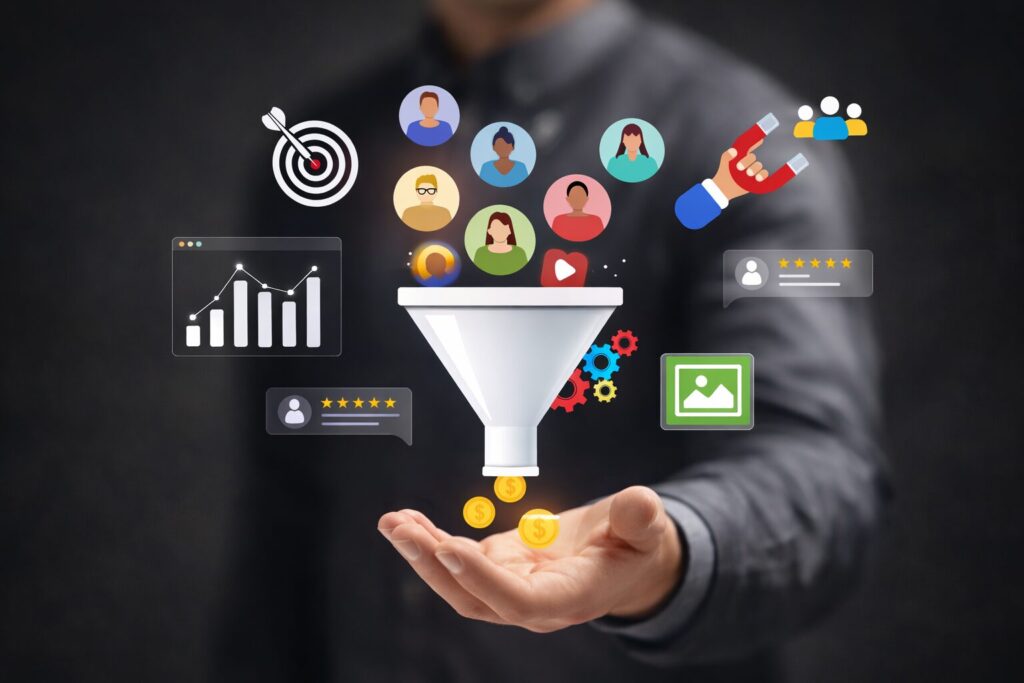
Facebook is a good fit for partner marketing because it allows you to reach specific readers through groups, pages and targeted posts. A well-run Facebook group on a niche topic gives you ready readers for partner recommendations that are genuinely relevant.
The key difference between partner marketing that works and the kind that gets people unfollowed is trust. Recommending products you have actually used builds steady credibility. Recommending products you have actually used, being honest about partner links and only sharing things that are genuinely useful builds the kind of trust that makes consistent clicks and cuts.
Some partner programmes that pair well with Facebook readers include tools for online companies, software, health products and training courses. Cut rates vary from 5% on physical products to 40% or 60% on software.
If you are serious about building a full-time income working online from home, the Get Started Here page walks through exactly how I approach it, including the tools I use and what realistic timelines look like for someone starting from scratch.
5. Running a Facebook Group as a Company
Facebook Groups are one of the most underused earning tools on the platform. A well-run group on a specific topic can become a genuine asset. Members trust your recommendations, attend your events and buy your products.
The income from a group does not come directly from Facebook. It comes from what you build around it, such as products, courses and brand deals. A group on home organisation, small company finances or healthy eating gives you readers who are ready for relevant products and courses. You earn from partner sales within the group, selling your own digital products, offering paid coaching or consultancy, or running sponsored posts for relevant brands.
Groups that earn well share a few common traits. They have a clear and specific focus. They are actively managed and free from spam.
The owner posts steadily and responds to members. Value always comes before selling.
Building a group to the point of meaningful income takes several months. It is not a quick win. A group with 5,000 engaged members in a specific niche is worth far more than a page with 50,000 passive followers.
6. Selling Digital Products Through Facebook
If you have skills or knowledge that others want to learn, Facebook gives you a way to sell digital products directly to readers. These might include e-books, templates, online courses, printables or design assets.
Digital products cost almost nothing to make after the initial effort and can be sold unlimited times. A well-made e-book on a topic like meal planning can sell for $9 to $29 and keep making income long after you write it.
Facebook Groups and Facebook Pages both work well for sharing digital products. You can also run paid Facebook ads to send traffic to a sales page once you know the product sells.
One effective approach is to give away a free short guide to build your email list. From there, you offer the paid product to people who have already seen what you provide. This is the classic lead magnet model. It works steadily across virtually every niche.
7. Facebook Ads for Your Own Company
If you already have a product or service to sell, Facebook Ads is one of the most powerful tools open to use for reaching buyers. Facebook’s ad platform gives you detailed targeting by age, location, interests, income level and much more.
This is not passive income. Running profitable Facebook Ads requires learning the platform, testing ads and tracking results carefully. But for companies with a proven product and a fair budget, the return on ad spend can be strong.
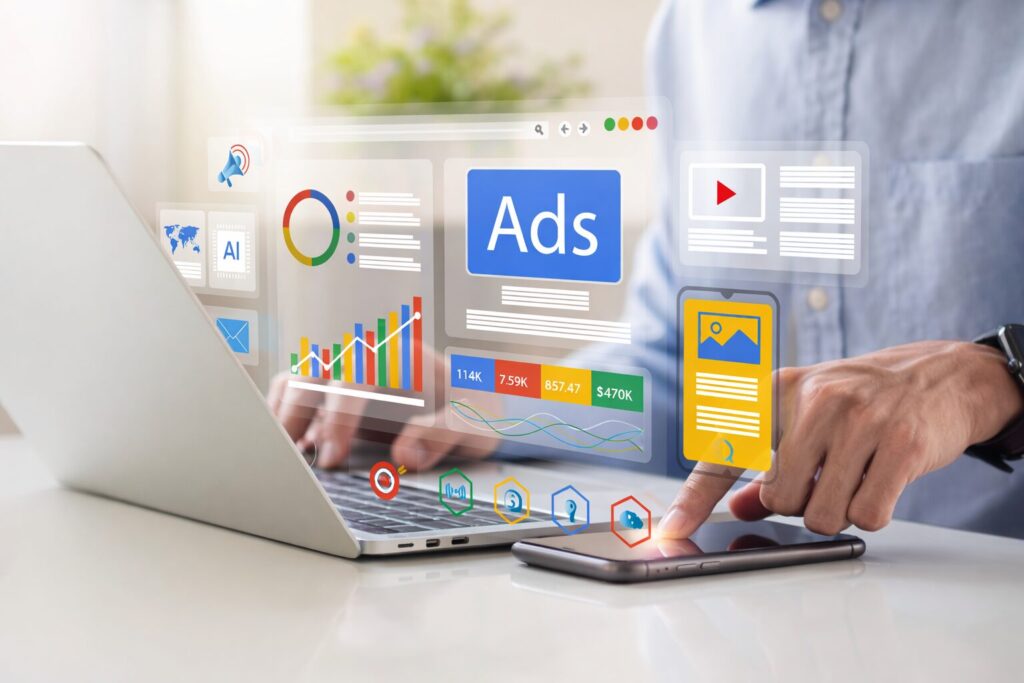
Around 62% of brands report that positive ROI from Facebook Ads is achievable. The platform continues to be one of the most cost-effective paid channels for reaching targeted readers.
Small company owners selling physical products, coaches sharing online programmes and e-commerce brands driving traffic to Shopify stores all use Facebook Ads as a core part of their growth approach. Many advertisers begin with $5 to $10 per day to test what works before scaling.
The learning curve is real. Mistakes in the early stages cost money. Starting with Meta’s own training resources before spending is a sensible move.
You can access Meta’s free Blueprint courses to build a solid foundation before putting money into your first campaign.
8. Brand Partnerships and Sponsored Content
If you build a following on Facebook, whether through a page, a group or a personal profile with public content, brands will, over time, approach you to promote their products. Sponsored posts, product reviews and brand partnerships are a real income stream for creators who have built genuine influence in a niche.
You do not need millions of followers. Micro-influencers with 5,000 to 50,000 engaged followers often earn $200 to $1,000 per sponsored post. Creators with larger or more targeted readers can earn several thousand dollars per post. The rates depend heavily on your niche, your activity rate and the size of the brand.
The most important thing here is selectivity. Sharing products that do not fit your readers or that you do not believe in damages the trust you have built. One poorly chosen sponsorship can cost you more in lost trust than it earns in fees. Choosing partnerships carefully and being upfront with your readers about sponsored content is the approach that works long-term.
To attract brand deals, make it easy for companies to contact you. Add a company email to your profile or page, create a short media kit that outlines your readers’ types and activity rates and reach out early on to brands that are a natural fit for what you cover.
If you want a solid introduction to building online income in a way that is honest, realistic and designed to compound over time, take a look at the Get Started Here page
9. Driving Traffic to Your Own Website or Blog
This method is a little different from the others. The income does not come directly from Facebook. Instead, you use Facebook as a traffic source to send people to your own website.
A well-run website with partner links, display ads or digital products can make real income. Facebook can feed that site with consistent traffic through posts, group activity, Facebook Live sessions and Reels that link back to your content. This approach is more robust than relying purely on Facebook’s own earning tools. You own the asset that the traffic goes to.
According to the Shopify guide on making money on Facebook, Facebook is the most popular social commerce site in the US. That reach makes it a strong source of targeted traffic for websites in the same niche.
Niche blogs, partner sites and e-commerce stores all benefit from steady Facebook traffic. Building this mix takes longer than simply selling on Marketplace. But it creates a more durable income source that does not depend entirely on platform rules or system changes.

How to Choose the Right Method for You
Not every approach in this guide will suit every person. The right method depends on your skills, your time and your goals.
If you want to start earning fast with no readers and no upfront investment, Facebook Marketplace is the easiest starting point. You can list your first item today and get paid within days.
If you are building a long-term online company and want income that compounds over time, partner marketing or driving traffic to your own website will give you the most durable results. These take longer. The earning power is higher. You are not entirely dependent on Facebook’s policies.
If you enjoy making video content and want to earn from the platform directly, focus on Reels and live streams while working towards Content Earning entry rules.
Most people who earn steadily from Facebook use more than one of these methods at once. A Marketplace seller might also run a Facebook Group where they recommend relevant partner products. A content creator might combine Stars, memberships and brand deals. The more streams you have, the less any single one becoming disrupted matters.
Practical Tips for Earning More on Facebook
A few things steadily separate people who earn well on Facebook from those who see little return despite their effort.
Show up with consistency. Facebook’s system rewards accounts that post often. You do not need to post every day.
Once a week is not enough to build momentum, though. Three to five times per week is a fair target for most creators and company owners.
Focus on a specific niche. The more clearly defined your topic is, the more likely people are to follow you. A page about “making money online” is broad. A page about “side hustles for teachers” is specific, easy to follow and much easier to earn from.
Build your email list from day one. Facebook can change its rules, cut your reach or suspend your account without warning. An email list belongs to you regardless of what the platform does. Use Facebook to drive people to a sign-up page where they get something useful for free.
Be patient in the early months. Almost everyone who earns real money from Facebook went through slow growth, low activity and zero sales first. The people who push through that phase are the ones who, over time, build something worth having.
The Honest Picture
Facebook is a genuine place to build income in 2026. It is not a shortcut, though. The methods that work take time, effort and a real willingness to learn from what is not working. There are no secret hacks and no system tricks that replace consistent, useful content and genuine activity with your readers.
The creators and sellers who earn the most from Facebook treat it as a serious part of their company, not a casual activity. They track what works, they invest time in improving their skills, and they build systems that keep earning when they are not posting.
If you want a solid introduction to building online income in a way that is honest, realistic and designed to compound over time, take a look at the Get Started Here page
It covers the framework I use and the tools that make it work, without the hype or the unrealistic promises you see from most online content.
How Long Before You Start Earning?
This is the question most people ask before they commit to any of these methods. The honest answer is that it depends on which path you choose.
Facebook Marketplace is the fastest. Many people make their first sale within 48 hours of listing something. The income is immediate but limited by what you have to sell and how much time you want to put in.
Content-based methods take much longer. Building an audience that trusts you enough to buy from you or watch your content week after week takes months, not days. Most creators who earn consistently from Stars, memberships or Content Earning spent six to twelve months building their presence before things clicked.
Affiliate selling and website traffic sit in the middle. You can see your first cut within a few weeks if you target the right content. But the compounding effect, where old content keeps bringing in new readers and new cuts, usually takes six to nine months to become meaningful.
The pattern that holds across all of these is simple. The people who stick with one method long enough to learn what works are the ones who end up earning. Those who switch approaches after a few weeks of slow results never find out what could have happened if they had stayed the course.

Final Thoughts
So, how to make money with Facebook? The platform gives you more ways than ever to earn, from selling second-hand goods on Marketplace to building a content company that pays through ads and brand deals. The common thread is that the money follows value.
Provide something people want to see, buy or learn from and do it steadily. The income tends to follow.
Figuring out how to make money with Facebook is not complicated in principle. The challenge is choosing one or two methods that fit your situation and committing to them long enough to see results, rather than jumping from one approach to another before anything has time to work. Pick your method, take the first step today and build from there. The platform rewards those who stay the course.
Partner Disclosure: This page contains partner links. If you click through and make a purchase, I may earn a cut at no extra cost to you.