

Best Side Hustles For Stay At Home Dads: Income That Actually Fits Your Schedule
Finding the best side hustles for stay at home dads means navigating territory that most career advice completely ignores because it assumes men either work traditional jobs or they don’t work at all. The implicit message is that fathers managing households whilst partners work are either temporarily unemployed or they’ve somehow opted out of contributing financially. Nobody acknowledges that plenty of fathers actively choose primary parenting whilst seeking income that fits around school runs, nap schedules and the thousand daily interruptions that come with being the parent actually present, managing children’s lives. The assumption that all stay-at-home parents are women means advice rarely addresses the specific dynamics fathers face when they’re the ones handling childcare whilst building income around it.
What makes this harder is that fathers doing primary parenting often encounter different reactions than mothers in identical situations. When mothers seek flexible income opportunities, it’s seen as a natural accommodation of family responsibilities. When fathers do the same, it’s often interpreted as a lack of ambition or failure to provide traditionally. You might face questions from family about when you’re getting a “real job” or assumptions that your situation is a temporary crisis rather than a deliberate choice. These social dynamics are exhausting alongside the actual work of managing children and building income streams that fit your genuinely constrained schedule.
This guide examines the best side hustles for stay at home dads by acknowledging both the constraints you face and the advantages you bring. Everything here generates genuine income on schedules that accommodate actual parenting responsibilities rather than pretending you have eight uninterrupted hours daily to dedicate to side work. None of these suggestions will make you wealthy overnight, but all of them create real income whilst respecting that your children are your priority and that your schedule revolves around their needs rather than business optimisation.

Understanding Your Unique Position
Before examining specific opportunities, it’s worth acknowledging what distinguishes your situation from other people pursuing side income.
The Flexibility Requirement Is Non-Negotiable
Your schedule is dictated by children’s needs and school schedules rather than by what would optimise income. You work during nap times, early mornings before children wake, evenings after bedtime or scattered hours when children are entertained. You cannot commit to specific availability windows that don’t accommodate the fundamental unpredictability of parenting.
This constraint eliminates many otherwise viable opportunities. Traditional freelance work, expecting you to attend meetings during business hours, doesn’t work. Client service requiring specific availability windows doesn’t fit. Anything needing consistent blocks of uninterrupted time is problematic when you’re managing young children who don’t respect your work schedule.
The opportunities that work are those where you control timing completely or where work happens asynchronously without real-time availability requirements. You need income strategies that accommodate rather than compete with parenting.
The Identity Challenge
Being a stay-at-home father pursuing a side income means managing identity questions that stay-at-home mothers rarely face with the same intensity. Society more readily accepts mothers combining childcare with income work. Fathers doing the same sometimes face scepticism about whether they’re actually committed to parenting or whether side income is an excuse for not being fully present.
These dynamics are rubbish, but they’re real. You might encounter assumptions that your partner must resent supporting the family financially or questions about when you’ll return to traditional employment. Managing these reactions whilst actually building income and raising children creates additional stress that mothers in identical situations experience differently.
Your response is entirely personal, but owning your situation rather than apologising for it generally works better than trying to justify choices to people whose opinions don’t actually matter to your life.
Childcare Without Formal Childcare
Most side hustle advice assumes childcare is handled separately from work. You don’t have that luxury unless you’re working during children’s school hours or after bedtime. Your work happens alongside active parenting rather than in protected time with children managed elsewhere.
This reality means certain work types simply don’t function regardless of how lucrative they might be theoretically. Anything requiring sustained concentration, anything involving client calls or video meetings during daytime hours or anything that cannot be interrupted repeatedly doesn’t work when young children are present.
Successful side hustles for your situation are those that either happen during child-free hours or that can be done in small, scattered chunks that accommodate constant interruptions without destroying productivity.

Physical Presence Without Full Availability
You’re physically present at home, but you’re not available for household management beyond childcare during work time. Partners and extended family sometimes struggle to understand this distinction. Being home doesn’t mean you’re available to handle everything domestic whilst simultaneously generating income.
Setting boundaries requires ongoing communication about when you’re working versus when you’re available for household responsibilities. This clarity benefits everyone, preventing resentment about expectations that were never actually agreed upon.
If you’re ready to build affiliate marketing or content-based businesses with long-term passive income potential, comprehensive guidance is available here
Online Opportunities Requiring Minimal Setup
These side hustles generate income quickly without extensive preparation or credentials.
Freelance Writing
Businesses need written content constantly and they pay well for clear communication and reliable delivery. Blog posts, articles, website copy, email campaigns and countless other formats all require writers. The work happens entirely on your schedule within deadline parameters, making it ideal for stay-at-home parents.
You don’t need journalism degrees or published portfolios. You need the ability to research topics, write clearly and meet deadlines. These capabilities are demonstrable through work samples you create specifically for applications.
Income potential: Beginning writers earn $50-150 per article. Experienced writers command $200-500+ per article. Building a steady client base generates $2,500-6,000 monthly, working part-time around childcare.
Why this fits your situation: Complete schedule flexibility. Work happens whenever you have available time, as long as deadlines are met. Communication with clients occurs through email rather than phone calls. Articles can be written in scattered blocks rather than requiring sustained, uninterrupted focus.
Getting started: Write three to five sample articles demonstrating your ability. Create profiles on Upwork or Fiverr. Apply to job postings accepting less experienced writers. Start with modest rates, building a portfolio, then systematically increase pricing as demand grows.
Realistic timeline: First paying client typically within two to six weeks of active applications. Building to $2,000-3,000 monthly takes three to six months as reputation develops and rates increase.
Time requirements: Most articles need two to four hours, including research and writing. Working during nap times and evenings allows completing four to eight articles weekly, depending on children’s ages and your available time.
For comprehensive freelance writing guidance, visit The Balance Careers Freelance Writing Guide
Virtual Assistant Services
Small businesses and busy professionals need administrative support without hiring full-time employees. Virtual assistants handle email management, calendar scheduling, data organisation, social media posting and countless other tasks remotely.
The work requires organisational and communication skills rather than specific technical expertise. Most tasks are straightforward once you understand client preferences and systems.
Income potential: Virtual assistants charge $20-40 hourly, depending on services offered. Working fifteen to twenty hours weekly for several clients generates $1,200-3,200 monthly.
Why this fits your situation: Work happens asynchronously on your schedule as long as tasks are completed within agreed timeframes. Most communication occurs through email and project management tools. Tasks can be done in small chunks when time allows, rather than requiring long, uninterrupted blocks.
Getting started: Identify specific services you can offer. Create a profile on Upwork, Fiverr or platforms like Belay. Offer competitive initial rates and build testimonials. Deliver exceptional work, generating referrals and repeat business.
Realistic timeline: First client typically within four to eight weeks of active marketing. Building to three to five steady clients takes three to six months.
Time requirements: Actual work hours plus client communication. Most virtual assistants work fifteen to twenty-five hours weekly, once established, managing varied tasks for multiple clients, creating income diversification.
Online Tutoring
If you have expertise in academic subjects or professional skills, online tutoring offers well-paying, flexible work. Platforms connect tutors with students worldwide needing help with everything from primary school mathematics to university courses.
One-on-one format lets you work with individual students via video call on schedules you control. Many tutors work early mornings, evenings or weekends around other commitments.
Income potential: Tutors charge $20-60 hourly for most subjects. Specialised subjects command $60-120+ hourly. Working ten to fifteen hours weekly generates $800-3,600 monthly.
Why this fits your situation: Sessions occur during times you designate. Many platforms allow setting availability around children’s schedules. Work is engaging rather than draining. Clear boundaries between tutoring time and parenting time.
Getting started: Create profiles on Wyzant, Tutor.com or Chegg Tutors. Set competitive initial rates, building reviews. Deliver excellent results, generating word-of-mouth referrals.
Realistic timeline: First students typically within two to four weeks. Building to regular schedule with recurring students takes two to four months.
Time requirements: Just actual tutoring hours plus minimal preparation. Most tutors work ten to twenty hours weekly once established with regular students, providing income predictability.

Content Creation Building Long-Term Assets
These opportunities create value that continues generating income after initial work is complete.
Blogging With Affiliate Marketing
Building a blog around a specific topic you understand creates a foundation for affiliate income where you earn commissions when readers purchase products you recommend. Well-executed affiliate sites generate substantial income from content that continues attracting visitors long after publication.
The model works because you’re helping people make informed decisions about purchases they’re already considering, whilst earning commissions when they buy through your links.
Income potential: Modest affiliate sites generate $500-2,000 monthly after twelve to eighteen months of consistent work. Successful sites generate $3,000-10,000+ monthly. Exceptional sites become six-figure businesses, though this requires dedication.
Why this fits your situation: Work happens entirely on your schedule. Content creation fits into available time blocks. Published content continues generating traffic and income whilst you create new content or focus on parenting. Business runs continuously regardless of whether you’re actively working.
Getting started: Choose a specific niche you’re knowledgeable about with commercial potential. Research keywords people search for. Create twenty to thirty comprehensive articles targeting those keywords. Join relevant affiliate programmes. Build an email list from day one.
Realistic timeline: Expect minimal income first six to nine months whilst building content and authority. Growth accelerates from months ten to eighteen. Substantial income typically appears in years two to three with consistent effort.
Time requirements: Initially, fifteen to twenty hours weekly creating content. Once established, eight to twelve hours weekly maintaining and expanding. Work schedules are entirely around parenting rather than competing with it.
If you’re ready to build affiliate marketing or content-based businesses with long-term passive income potential, comprehensive guidance is available here
YouTube Content Creation
Creating video content generates income through advertising revenue, sponsorships and affiliate marketing. Successful channels don’t require showing your face or expensive equipment. Screen recordings, voiceovers with stock footage or educational content all work excellently.
Videos can be created during child-free hours and then scheduled for automatic publication, maintaining a consistent presence without requiring you to be actively working continuously.
Income potential: Channels with 10,000 subscribers typically earn $200-800 monthly from advertising plus additional income from affiliate links. Channels with 100,000+ subscribers often generate $3,000-12,000+ monthly.
Why this fits your situation: Content creation happens on your schedule. Videos are recorded and edited when time allows, then scheduled for publication. Once uploaded, videos work continuously, attracting views and generating income whilst you’re parenting.
Getting started: Choose a specific topic and content format. Learn basic video editing through free tutorials. Create the first ten videos, establishing quality and consistency. Focus on genuinely helping viewers rather than chasing viral success.
Realistic timeline: Reaching the monetisation threshold typically takes six to twelve months of consistent publishing. Building to meaningful income requires twelve to twenty-four months.
Time requirements: Initially, twelve to twenty hours weekly for learning and building a content library. Once established, eight to fifteen hours weekly creating ongoing content, depending on production complexity.
Podcasting
Podcast audiences are highly engaged, making them valuable for monetisation through sponsorships, affiliate marketing and product sales. Podcasting requires modest time investment once systems are established and accommodates flexible recording schedules.
Episodes can be recorded in batches during child-free time then scheduled for release maintaining consistency without requiring constant production work.

Income potential: Podcasts with 1,000 downloads per episode typically earn $200-600 monthly from sponsorships. Podcasts with 10,000+ downloads per episode generate $2,000-8,000+ monthly.
Why this fits your situation: Episodes are recorded when convenient, then scheduled for automatic release. Editing can be outsourced affordably once income allows. Content remains available indefinitely, continuing to attract listeners without ongoing work.
Getting started: Choose a specific niche and target audience. Learn basic audio recording and editing. Create the first five to ten episodes. Submit to podcast directories. Promote through existing platforms and guest appearances.
Realistic timeline: Building an audience to monetisation level typically takes twelve to eighteen months. Income growth accelerates as the back catalogue grows and word-of-mouth increases in reach.
Time requirements: Initially, eight to twelve hours weekly. Once established, four to eight hours weekly for recording, editing and publishing.
Service-Based Income Using Professional Experience
These opportunities monetise capabilities you already possess from previous careers or life experience.
Consulting in Your Professional Field
Whatever professional experience you possess has value to smaller companies or less experienced professionals needing exactly the expertise you’ve developed. Operations experience translates to operations consulting. A marketing background provides marketing guidance. Financial expertise enables financial consulting.
Consulting leverages everything you already know rather than requiring new skill development. You’re paid for accumulated wisdom rather than learning someone else’s process.
Income potential: Business consultants typically charge $100-300 hourly, depending on specialisation. Even modest ten to fifteen billable hours weekly generate $4,000-12,000 monthly.
Why this fits your situation: Most consulting projects happen asynchronously. Initial assessments, recommendations development and implementation support all occur on schedules you control. Communication happens primarily through email and scheduled calls at times convenient for you.
Getting started: Identify specific problems you solve based on your experience. Create a LinkedIn profile or a simple website articulating your expertise. Reach out to former colleagues and your professional network. First clients almost certainly come from existing relationships.
Realistic timeline: First client typically within four to eight weeks, leveraging existing network. Building to three to five concurrent clients takes six to twelve months as the reputation develops.
Time requirements: Genuinely part-time. Most consultants work twelve to twenty hours weekly, including client work and business development. Schedule flexibility is excellent once clients are established.
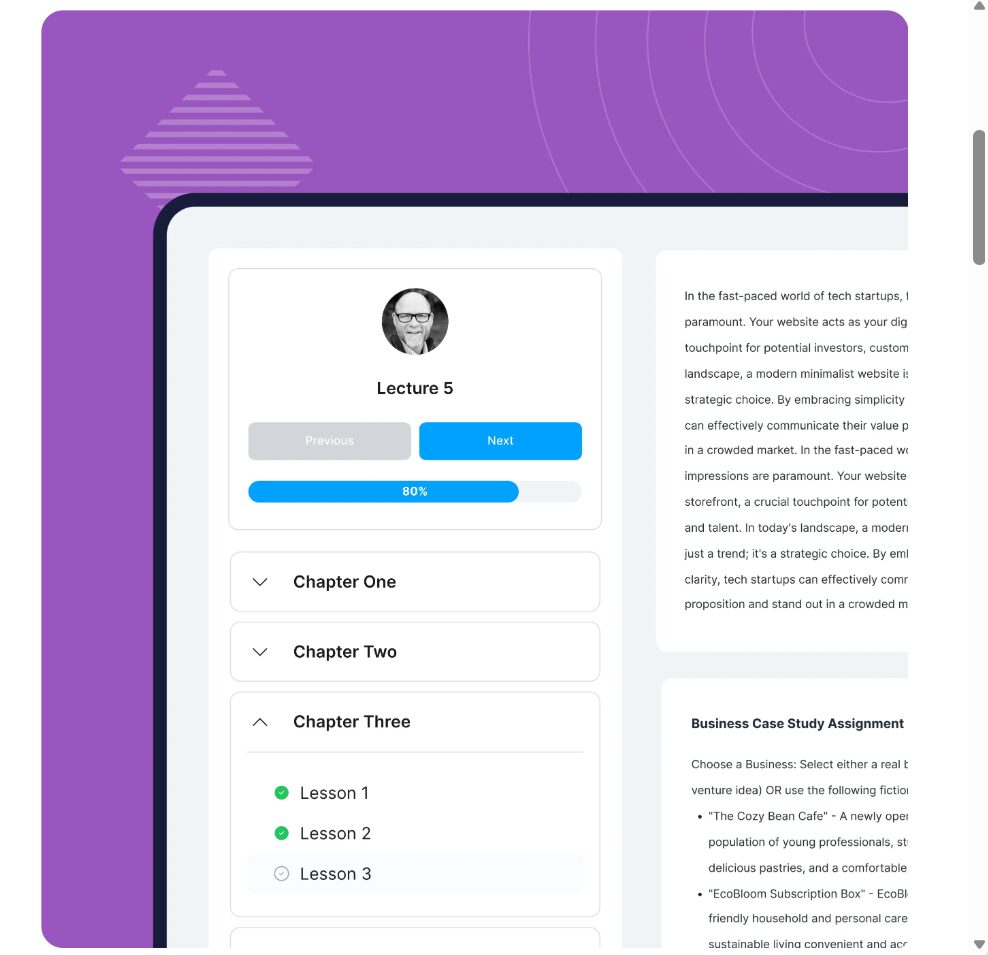
Online Course Creation
Professionals at earlier career stages need skills you possess and will pay to learn them efficiently. Courses teaching business writing, project management, technical skills or industry knowledge all have substantial markets.
Creating a comprehensive course requires upfront effort but generates ongoing income from repeated sales. You build content once, then students worldwide access courses on their schedules while you earn.
Income potential: Modest courses with 200-300 students annually at $100-300 each generate $20,000-90,000 yearly. Successful courses with thousands of students generate a six-figure annual income.
Why this fits your situation: Course creation happens entirely on your schedule. Once created, courses sell automatically, requiring minimal ongoing involvement beyond occasional updates and student support. Work done during child-free hours creates an income stream that runs continuously.
Getting started: Choose a specific skill you can teach. Outline a comprehensive curriculum. Record straightforward video content. Launch on Teachable, Thinkific or Udemy. Market through LinkedIn and professional networks.
Realistic timeline: Creating the first course typically takes two to four months working part-time. Initial sales happen upon launch, especially with network promotion. Building to meaningful income requires six to twelve months.
Time requirements: Initially, forty to eighty hours creating the first course. Ongoing maintenance requires five to ten hours monthly. Additional courses expand income without proportional time investment.
Coaching and Mentoring
Mid-level professionals seek coaches helping them navigate career challenges, develop capabilities and make strategic decisions. Your decades of experience position you to guide people facing situations you’ve already mastered.
Coaching requires listening skills and ability to ask insightful questions helping clients discover solutions rather than simply providing answers.
Income potential: Coaches charge $150-400 per session, typically lasting sixty to ninety minutes. Coaches with eight to twelve regular clients meeting biweekly generate $4,800-9,600 monthly from part-time practice.
Why this fits your situation: Sessions are scheduled at your convenience during child-free hours. Most coaching happens via video call, requiring just quiet space and an internet connection. Preparation and follow-up work happen asynchronously on your schedule.
Getting started: Consider certification through the International Coach Federation, though extensive professional experience often substitutes. Begin coaching informally for people in your network, building testimonials. Set competitive initial rates increasing as demand grows.
Realistic timeline: Building a coaching practice typically takes twelve to eighteen months to reach meaningful income. Initial clients come from the network. Growth happens through referrals.
Time requirements: Sessions themselves plus modest preparation and follow-up. Most coaches work twelve to twenty hours weekly including actual coaching and business development.
For comprehensive coaching career guidance, visit Forbes Coaches Council
Practical Home-Based Businesses
These opportunities leverage physical presence at home, creating income that accommodates parenting.
E-commerce and Dropshipping
Selling physical products online offers a business opportunity without requiring inventory through dropshipping models. You create an online store, market products and take orders. When customers purchase, the supplier manufactures and ships directly. You never touch inventory.
E-commerce isn’t passive, but it’s flexible. You handle customer service and marketing on your schedule. Order processing happens automatically.
Income potential: Modest stores generate $2,000-4,000 monthly profit. Successful stores generate $5,000-15,000+ monthly profit. Exceptional stores become six-figure businesses, though this requires significant investment.
Why this fits your situation: Work happens on your schedule. Systems handle orders automatically. Customer service can be done in small blocks when time allows. Business operations don’t require specific working hours.
Getting started: Choose a specific niche. Research products with good margins and reasonable demand. Set up a Shopify store using templates. Connect with suppliers through Spocket or Modalyst. Start with a small product range. Market through Facebook ads or Pinterest.
Realistic timeline: Building to meaningful profit typically takes six to twelve months as systems are refined and marketing improves.
Time requirements: Initially, fifteen to twenty hours weekly, setting up and learning. Once established, ten to fifteen hours weekly managing operations and marketing.

Handyman and Home Repair Services
If you have skills in home repair, maintenance or improvement, a local service business generates income on schedules you control. Many homeowners need help with tasks they cannot do themselves or simply lack the time to handle.
Work happens during hours you’re available and jobs are scheduled around parenting responsibilities rather than competing with them.
Income potential: Handyman services charge $50-100 hourly. Working fifteen to twenty hours weekly generates $3,000-8,000 monthly, depending on rates and efficiency.
Why this fits your situation: You control which jobs to accept and when to schedule them. Work happens during child-free hours or when the partner is available for childcare. Local focus means minimal commute time.
Getting started: Create a simple website or a strong social media presence. List services you confidently provide. Market through local community groups and neighbourhood platforms. Start with competitive rates, building testimonials.
Realistic timeline: First clients typically within two to four weeks of active local marketing. Building a steady client flow takes three to six months as reputation develops.
Time requirements: Actual job hours plus travel and administrative tasks. Most successful handyman businesses work fifteen to twenty-five hours weekly once established.
If you’re ready to build affiliate marketing or content-based businesses with long-term passive income potential, comprehensive guidance is available here
Managing the Reality
Success requires addressing specific dynamics of your situation rather than following generic advice.
The Guilt Balance
You’ll experience guilt regardless of how you allocate time. Too much work time creates guilt about not being fully present with children. Too little work time creates guilt about not contributing financially enough. This tension is inherent rather than something you’re doing wrong.
Managing guilt involves recognising it’s inevitable rather than trying to eliminate it. You’re doing work that matters whilst raising children who need you. Both deserve attention, and both will sometimes feel insufficient. That’s normal rather than failure.
Setting clear work hours and protecting family time helps create boundaries, making you more present in each mode rather than constantly torn between them.
Partner Communication
Your partner needs to understand your work is legitimate income generation rather than a hobby happening whilst you’re “not working.” Having explicit conversations about expectations prevents resentment from unspoken assumptions.
Discuss specifically when you’re working versus when you’re available for household responsibilities. Create an agreement about the division of domestic labour that doesn’t assume you handle everything simply because you’re home.
Regular check-ins about whether arrangements are working for both of you prevent small frustrations from becoming major conflicts.

Social Pressure Response
You’ll encounter questions and assumptions about your situation. People will ask when you’re getting a “real job” or make comments about your partner “supporting the family” that imply you’re not contributing.
Your response is entirely personal. Some men find it easiest to describe their work straightforwardly without justifying choices. Others prefer simply not engaging with people whose opinions don’t matter. The key is having a response that feels authentic rather than defensive.
Remember that unconventional choices always face more scrutiny than conventional ones, regardless of whether conventional choices are actually better.
Childcare Backup Plans
Even flexible work sometimes requires focused time that’s difficult with active parenting. Having backup childcare options for situations requiring sustained concentration prevents you from being completely unable to work during particularly demanding parenting phases.
This might mean trading childcare with other parents, engaging relatives for occasional help or budgeting for occasional paid childcare when necessary. The goal isn’t full-time childcare but occasional backup, enabling you to handle work requiring uninterrupted attention.
Financial Planning Considerations
Side income at home involves specific financial dynamics worth acknowledging.
Tax Implications
Side hustle income creates tax obligations, including quarterly estimated tax payments and self-employment tax. Unlike employment, where taxes are withheld automatically, you’re responsible for calculating and remitting appropriate amounts.
Set aside twenty-five to thirty-five per cent of side income for taxes rather than spending it all. Working with an accountant helps ensure you’re handling tax obligations correctly whilst maximising legitimate deductions.

Benefits and Insurance
If your partner’s employment provides family health insurance, you’re covered. If not, securing health insurance becomes an important consideration, potentially affecting side hustle choices, since self-employment means purchasing coverage independently.
Life insurance and disability insurance are worth evaluating, particularly if side income becomes substantial and the family depends on it continuing.
Income Growth Expectations
Most side hustles generate modest initial income, growing over time as skills improve, reputation develops, and systems are refined. Planning for twelve to twenty-four months before reaching comfortable income levels prevents discouragement when initial months generate less than hoped.
Track income monthly, identifying growth trends rather than judging success based on a single disappointing month. Quarterly reviews provide a clearer picture of the trajectory than week-to-week fluctuations.
If you’re ready to build affiliate marketing or content-based businesses with long-term passive income potential, comprehensive guidance is available here
Balancing Growth and Sustainability
You could likely earn more working longer hours, but that might undermine the entire reason you’re home with children. Finding a sustainable income level that adequately supports a family without requiring unsustainable effort is more valuable than maximising income at all costs.
Some stay-at-home fathers intentionally maintain a side income at a comfortable level rather than constantly pursuing growth. This is a legitimate choice rather than a lack of ambition when it aligns with your actual priorities.
For detailed work-from-home resources, visit FlexJobs Career Resources
Moving Forward From Where You Are
Identifying the best side hustles for stay at home dads requires acknowledging that your situation differs from both traditional employment and from stay-at-home mothers’ experiences, despite surface similarities. You face unique dynamics around identity, social expectations and the practical realities of managing childcare whilst generating income that most advice simply doesn’t address. The opportunities that work are those offering genuine flexibility, accommodating parenting rather than competing with it, providing meaningful income without requiring unsustainable hours and building on capabilities you already possess rather than demanding extensive new learning whilst you’re simultaneously managing young children.
What matters now is choosing one specific opportunity from this guide that matches skills you have or interests you enough to sustain motivation through difficult early months when effort exceeds visible results. Don’t try building a freelance business whilst starting a content site whilst launching a service business simultaneously. Choose one approach. Execute it well for a minimum of six months. Build momentum through consistent forward progress rather than scattered attempts across multiple directions that prevent genuine traction anywhere.
The best side hustles for stay at home dads aren’t about discovering secret opportunities requiring no effort whilst generating substantial immediate income. They’re about building sustainable income sources through systematic effort that compounds over months, producing results whilst respecting that your children remain your priority and that your schedule revolves around their needs rather than business optimisation. Begin this week with one specific action toward one specific income stream. Progress accumulates through persistent forward movement rather than perfect planning that never translates into actual work. Your situation is more common than society acknowledges, and the income opportunities are genuine for fathers willing to build strategically around parenting responsibilities rather than despite them.