

How To Do Affiliate Marketing Without Social Media: The Complete Privacy-First Strategy
Learning how to do affiliate marketing without social media feels like swimming against the current when every guru insists Instagram stories and TikTok videos are mandatory for success. The relentless message is that you must build massive followings, post daily content showing your face and engage constantly with audiences across multiple platforms. If you find this prospect exhausting or simply incompatible with how you prefer to work, most affiliate marketing advice becomes immediately useless. The assumption that everyone wants to perform online for strangers or has time for constant social media engagement ignores that many people specifically chose affiliate marketing, hoping to avoid exactly that type of work.
The truth is that social media is one traffic source among many and it’s far from the most profitable for most affiliates. Whilst influencers with hundreds of thousands of followers generate impressive income from affiliate links, they’re statistical outliers requiring personality types and circumstances most people don’t possess. The majority of successful affiliate marketers build businesses through search engines, email marketing and content creation that require zero social media presence. These approaches often generate more stable income than social media because they’re not dependent on algorithms that change arbitrarily or platforms that could ban you tomorrow.
This guide demonstrates exactly how to do affiliate marketing without social media by focusing exclusively on traffic sources and strategies that work without requiring you to maintain any social presence whatsoever. No Instagram account needed. No TikTok videos required. No Twitter engagement necessary. Just systematic approaches that generate traffic, build trust and convert visitors into affiliate sales whilst letting you remain completely off social platforms if that’s what you prefer.

Why Social Media Isn’t Actually Essential
Before examining alternatives, let’s acknowledge why you’re not wrong to want to avoid social media entirely.
The Algorithm Dependency Problem
Social media success requires playing by platform rules that change constantly and arbitrarily. What works brilliantly today stops working tomorrow when algorithms shift. Accounts generating substantial traffic suddenly get minimal reach without explanation. Posts that would have performed excellently get buried because platforms decide to prioritise different content types. Building a business on social media means building on rented land where the landlord can change terms whenever they want.
Search engine optimisation faces similar algorithm changes, but they’re more gradual and predictable. Google updates happen, but they generally reward quality content rather than penalising it randomly. Email lists are completely under your control with no algorithm determining whether your messages reach subscribers. These approaches provide stability that social media fundamentally cannot.
The Constant Content Treadmill
Social media demands constant feeding. Post daily or multiple times daily or your audience forgets you exist. Miss a week and your engagement collapses. The platforms reward constant activity rather than quality, creating an exhausting treadmill where you’re never finished and can never rest.
Content-based affiliate marketing works oppositely. Articles you write continue generating traffic for months or years. Email sequences run automatically once created. The work you do today continues paying dividends indefinitely rather than disappearing into the void within hours.
The Personal Brand Requirement
Social media affiliate marketing typically requires building a personal brand with your face, your life and your personality as the product. Some people thrive doing this. Many people find it uncomfortable, invasive or simply incompatible with their preferred privacy levels. The assumption that everyone should monetise their personal life is relatively recent and far from universal.
Anonymous or brand-focused affiliate marketing lets you separate business from personal identity entirely. Your expertise and helpful content are what matter, rather than whether people like your personality or find you relatable.
The Platform Risk
Build a massive Instagram following and Instagram could ban you tomorrow for reasons you don’t understand. Depend on Facebook for traffic, and Facebook could eliminate your reach arbitrarily. Social media platforms own the relationship with your audience in ways that make your business fundamentally insecure.
Own your traffic sources through search engines and email lists and you control those relationships completely. Platforms can’t take away your search rankings or email subscribers. The business you build is actually yours, rather than depending on platform permission.
Search Engine Optimisation as Primary Traffic Source
SEO is the foundation of successful affiliate marketing without social media. Master it and you’ll never need social platforms.

Understanding SEO Fundamentals
Search engine optimisation means creating content that ranks highly when people search for terms related to products you’re promoting. When someone searches “best running shoes for beginners”, and your comprehensive guide ranks first, you get traffic without paying for it and without needing a social media presence.
SEO affiliate marketing works because people searching for product information are actively looking to purchase. They’re not passively scrolling social media. They have a specific intent, making them far more likely to convert. One visitor from search is typically worth ten visitors from social media in terms of actual affiliate sales.
The fundamentals involve keyword research, identifying what people search for, creating comprehensive content targeting those keywords and building enough authority that search engines trust your recommendations. Master these basics and you have a traffic source that works while you sleep.
If you’re ready to build email-based affiliate businesses with complete independence from social media, comprehensive guidance is available here
Keyword Research for Affiliate Marketing
Successful affiliate SEO starts with identifying keywords where search intent matches affiliate monetisation. Commercial keywords signal purchasing intent rather than just information-seeking.
Target “best [product category]”, “[product] review”, “[product A] vs [product B]”, “top [number] [products] for [use case]” and similar phrases. These searches come from people actively considering purchases rather than just curious readers.
Use keyword research tools like Ahrefs, SEMrush or free alternatives like Google Keyword Planner and AnswerThePublic to identify keywords with reasonable search volume and manageable competition. Target keywords with monthly searches between 500 and 5,000 initially. Lower competition makes ranking achievable whilst volume is sufficient to generate meaningful traffic.
Analyse what currently ranks for your target keywords. Can you create something substantially better and more comprehensive? If top results are thin content or outdated information, you can outrank them with superior resources. If top results are from massive authoritative sites with extensive resources, choose different keywords where you can compete.

Creating Comprehensive Affiliate Content
Content targeting commercial keywords needs depth that superficial posts cannot match. Aim for 2,000-3,500 words for most affiliate articles. Comprehensive length isn’t about hitting arbitrary counts but about covering topics thoroughly enough to answer every question readers have.
Structure content around what people actually need to know. For product reviews cover specifications, who it’s best for, what problems it solves, what limitations exist, how it compares to alternatives and whether it’s worth the price. For “best of” lists, explain evaluation criteria, discuss pros and cons of each option and help readers determine which suits their specific situation.
Include personal experience where genuine. Test products whenever possible, or, at the very least, conduct extensive research by reading actual user experiences. Affiliate content succeeds when it’s obviously created by someone who understands the products rather than someone churning out generic descriptions copied from manufacturer websites.
Add affiliate links naturally within helpful content. Place them where the purchase decision happens rather than forcing them throughout. After explaining why a specific product solves the reader’s problem, include a link with a clear call to action like “Check current price on Amazon” or “Get 20% off at [retailer]”.
Include honest disclaimers about affiliate relationships. Most readers don’t care that you earn commissions. They care whether your recommendations are genuine. Transparency builds trust rather than undermining it.
Building Authority and Backlinks
New websites have minimal authority with search engines. Building authority requires time, consistent quality content and backlinks from other reputable sites pointing to yours.
Create 20-30 comprehensive articles before expecting significant rankings. This content demonstrates to search engines that you’re a serious resource rather than a spam site. Publish consistently over months rather than all at once. Search engines reward sustained activity rather than brief bursts.
Build backlinks gradually through guest posting on relevant sites, creating genuinely linkworthy resources that others reference and participating authentically in industry communities. Avoid buying links or using manipulative tactics. They work briefly, then result in penalties destroying months of effort.
Quality matters far more than quantity. One link from a respected industry site is worth hundreds from random directories. Focus on building genuine relationships and creating content worthy of being cited.
For comprehensive SEO guidance, visit: Moz Beginner’s Guide to SEO
Email Marketing for Direct Audience Relationships
Email lists are your most valuable affiliate marketing asset because you own the relationship completely.
Building Email Lists Without Social Media
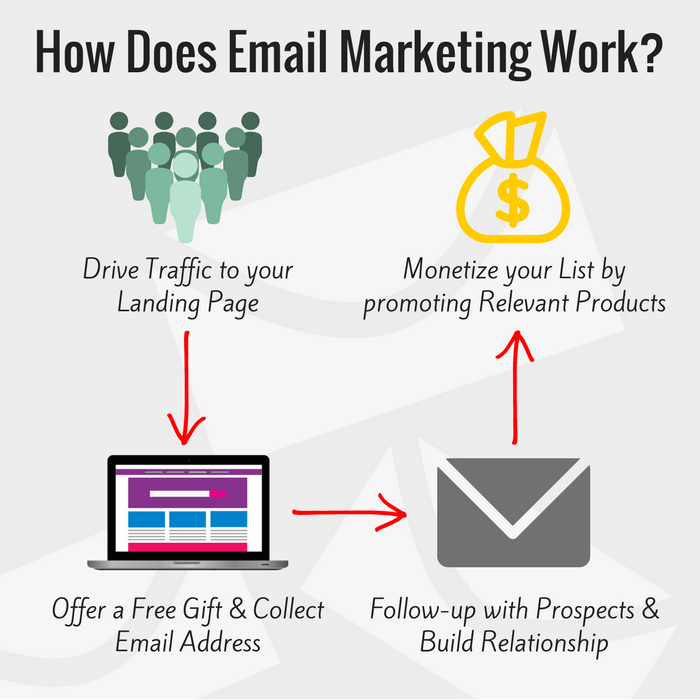
Grow email lists by offering genuine value in exchange for email addresses. Create lead magnets that solve specific problems your audience faces. Comprehensive guides, useful templates, curated resource lists, exclusive discount codes or access to helpful tools all work.
Drive traffic to opt-in pages through search engine optimised content. Every blog post should include relevant lead magnet offers. Readers finding your content through search are often willing to join your list for deeper value.
Use exit-intent popups offering lead magnets when visitors are about to leave. These convert surprisingly well because you’re offering value at a moment when they’re already engaged with your content.
Create dedicated landing pages for each lead magnet optimised for conversions. Clear headlines explaining the benefit, bullet points highlighting what subscribers receive, a simple form requesting just an email address and a compelling call to action button. Remove navigation and distractions, focusing entirely on the signup decision.
Nurturing Subscribers Through Valuable Content
Most affiliates destroy email list value by immediately bombarding subscribers with promotional content. Build relationships first through consistent value delivery.
Create a welcome sequence of five to seven emails delivering the promised lead magnet and providing additional helpful content. Introduce yourself briefly, explaining why you created your site and what subscribers can expect. Share your best existing content, giving new subscribers quick wins.
Send regular emails providing genuine value. Share new content from your site. Offer tips and insights relevant to your niche. Curate interesting resources from others. Build a reputation as a helpful resource rather than a constant sales pitch.
Maintain a ratio of roughly four value emails for every one promotional email. When you do promote affiliate products, frame recommendations as genuinely helpful solutions to problems your audience faces rather than desperate sales attempts.
Converting Subscribers to Affiliate Sales
Promotional emails work when they come from a position of established trust and genuine helpfulness. Frame affiliate promotions as recommendations you’re sharing because you believe they’ll help, rather than because you earn commissions.
Tell stories about why you recommend specific products. Explain the problems they solve. Share results you or others have achieved. Give subscribers genuine reasons to trust your recommendations rather than just listing features.
Create urgency authentically when it exists. Legitimate limited-time discounts or bonuses create real reasons to act now rather than later. Avoid false scarcity tactics that undermine trust when subscribers discover you’re always claiming urgency.
Test different approaches, tracking what converts. Some audiences respond better to educational content with soft affiliate mentions. Others prefer direct reviews and recommendations. Adapt based on what actually generates sales rather than assumptions.
Track email metrics, identifying what works. Monitor open rates indicating subject line quality. Watch click rates showing whether content engages readers. Analyse conversion rates, determining whether clicks become sales. Optimise systematically based on data.

Email Platforms and Technical Setup
Choose email platforms that support affiliate marketing explicitly. Some platforms prohibit affiliate content in emails or limit linking. ConvertKit, AWeber and GetResponse all permit affiliate marketing and provide tools specifically supporting it.
Systeme.io offers an affordable all-in-one platform including email marketing, landing pages, automation and affiliate programme management. Free tier supports up to 2,000 contacts, making it an excellent starting point.
Set up automation sequences that run automatically for new subscribers. Welcome sequences, educational sequences and promotional sequences can run indefinitely once created. You build them once and they work continuously.
Segment subscribers based on interests and behaviour. Send targeted content to segments rather than blasting everything to everyone. Subscribers interested in specific products receive relevant promotions, whilst others receive different content. Segmentation dramatically improves conversion rates.
If you’re ready to build email-based affiliate businesses with complete independence from social media, comprehensive guidance is available here
YouTube Without Showing Your Face
Video content ranks exceptionally well whilst requiring zero social media if you approach it strategically.
Faceless YouTube Channels for Affiliates
YouTube succeeds in affiliate marketing because videos rank both in YouTube search and Google search. Faceless channels eliminate personal brand requirements whilst maintaining video advantages.
Create videos using screen recordings, stock footage, animations, slideshows with voiceover or simple b-roll footage illustrating points. Popular faceless formats include product tutorials, comparison videos, software demonstrations, animated explainers and compilation videos.
Product reviews work beautifully as faceless content. Show the product while discussing it. Demonstrate features through screen recording for software or close-up footage for physical products. Your voice provides commentary whilst visuals maintain interest.
Tutorial content teaching viewers how to use products naturally incorporates affiliate links. Teaching photography techniques mentions cameras and lenses. Teaching graphic design promotes software tools. Teaching budgeting recommends financial products. Educational value justifies affiliate promotion.
Optimising YouTube Content for Search
YouTube is the second-largest search engine after Google. Optimise content for search rather than depending on social media promotion or YouTube’s recommendation algorithm.
Research keywords using YouTube’s search suggest feature and tools like TubeBuddy or VidIQ. Target keywords with reasonable search volume and manageable competition. Video content often faces less competition than written content, making rankings achievable.
Create compelling titles, including target keywords naturally. Write descriptions thoroughly explaining video content and including affiliate links with clear disclaimers. Add tags targeting the primary keyword and related terms.
Design thumbnails that stand out in search results. Text overlays, bright colours and clear imagery improve click-through rates. Professional thumbnails dramatically affect whether people click your videos rather than competitors’.
Upload consistently, building channel authority over time. YouTube rewards channels that publish regularly with better rankings and recommendations. Target weekly uploads minimum if pursuing YouTube seriously.

Monetising YouTube Without Social Media Presence
Include affiliate links in video descriptions with clear explanations. Mention products naturally within video content, directing viewers to the description for links. YouTube permits affiliate links, provided you disclose relationships clearly.
Build an email list from YouTube traffic. Every video should mention the lead magnet and direct viewers to the landing page. YouTube subscribers are less valuable than email subscribers because you don’t control YouTube access. Email subscribers are yours regardless of platform changes.
Create playlists organising videos by topic. Playlists keep viewers watching multiple videos, increasing total channel watch time and improving rankings. Playlists focused on specific products or categories naturally drive affiliate conversions.
Pin comments to videos highlighting affiliate offers. Pinned comments appear first and can include links to products or landing pages. This provides additional conversion opportunities beyond descriptions.
If you’re ready to build email-based affiliate businesses with complete independence from social media, comprehensive guidance is available here
Paid Advertising for Immediate Traffic
Paid ads provide instant traffic without needing to build social media followings or wait for SEO results.
Google Ads for Affiliate Marketing
Google Ads lets you appear above organic search results for commercial keywords. When someone searches “best web hosting for bloggers”, your ad appears first, showing a relevant affiliate offer.
Research Google Ads policies carefully. Many affiliate offers violate policies, particularly if you’re direct-linking from ads to affiliate offers. Usually, you need to send traffic to your own landing page or content with affiliate links rather than directly to merchant sites.
Start with small budgets, testing what converts before scaling. Spend $10-20 daily initially testing different keywords, ad copy and landing pages. Scale winners whilst cutting losers. Paid traffic is expensive but profitable when optimised properly.
Target long-tail keywords with commercial intent. “Best WordPress hosting for photographers” targets a narrower audience than “web hosting”, resulting in cheaper clicks and better conversion rates. Specific intent means fewer clicks but higher-quality traffic.
Create dedicated landing pages for paid traffic. Match the landing page message to the ad copy. If an ad promises “Top 5 Budget DSLR Cameras”, the landing page should deliver exactly that rather than generic photography content. Message match dramatically improves conversion rates.

Pinterest Ads Without Social Presence
Pinterest functions as a visual search engine rather than a social platform. Ads appear in search results and feeds without requiring social following.
Create pins promoting content containing affiliate links. Beautiful vertical images with clear text overlays perform best. Drive traffic to blog posts and landing pages rather than directly to affiliate offers.
Target keywords matching commercial intent. Pinterest users often browse while shopping, making them an excellent affiliate audience. Target terms like “best kitchen gadgets”, “affordable skincare” or “wedding decorations ideas”.
Pinterest ads are cheaper than Google Ads, often costing $0.10-0.50 per click. Lower costs make testing affordable and profitability achievable with modest conversion rates.
Test different pin designs, targeting options and landing pages. Pinterest provides detailed analytics showing what converts. Optimise based on actual performance rather than assumptions.
Display Advertising Through Networks
Display ads place your promotions on relevant websites across the internet. Visitors click through to your content or landing pages where you promote affiliate products.
Use networks like Google Display Network, AdRoll or Outbrain. These networks handle ad placement whilst you focus on creating effective ads and landing pages.
Target based on interests, demographics and behaviours rather than social media followings. Display networks provide extensive targeting without requiring social media presence.
Retargeting shows ads to people who visited your website previously. Install tracking pixels on your site. Show ads to visitors who left without converting. Retargeting converts better than cold traffic because people already know your brand.
For detailed paid advertising strategies, visit: Neil Patel’s Advertising Guide
Forum and Community Marketing
Online communities provide targeted audiences without requiring a social media presence.

Finding Relevant Communities
Identify forums, Reddit communities, Facebook groups and niche platforms where your target audience congregates. Every niche has dedicated communities where enthusiasts discuss products, share experiences and seek recommendations.
Join communities genuinely interested in the topic rather than solely for promotional purposes. Participate authentically by answering questions, sharing insights and building a reputation. Communities ban obvious self-promoters quickly but welcome helpful contributors.
Read community rules before posting anything promotional. Most communities prohibit direct selling but allow helpful content sharing when genuinely relevant. Understanding boundaries prevents getting banned whilst building goodwill.
Building Authority Through Helpfulness
Contribute substantial value before ever mentioning affiliate content. Answer questions thoroughly. Share experiences honestly. Help people solve problems. Build a reputation as a knowledgeable, helpful member.
Authority within communities makes eventual affiliate promotion far more effective. When a trusted member recommends a product, the community listens. When an unknown member promotes something, the community assumes spam.
Participate consistently over months. Brief participation followed by promotional content is obvious and ineffective. Sustained genuine engagement creates real relationships and trust.
Sharing Content Strategically
Share content naturally when it genuinely helps someone. If someone asks for product recommendations and you’ve written a comprehensive comparison guide, share it as a helpful resource. Frame sharing as assistance rather than self-promotion.
Don’t hide that the content includes affiliate links. Disclose relationships clearly. Most community members don’t mind affiliate links when the content is genuinely helpful. They mind dishonesty and manipulation.
Focus on providing value rather than maximising affiliate clicks. Content shared primarily for clicks gets downvoted and ignored. Content shared genuinely to help receives appreciation and engagement.
Respond to questions and feedback on shared content. Engagement demonstrates you’re a real person contributing value rather than a bot dropping links.
If you’re ready to build email-based affiliate businesses with complete independence from social media, comprehensive guidance is available here
Podcast Guesting and Collaboration
Podcast appearances provide exposure to targeted audiences without requiring your own social media presence.

Identifying Relevant Podcasts
Research podcasts in your niche with audiences matching your target demographic. Podcast listeners are often highly engaged, making them excellent potential customers for affiliate products you promote.
Look for podcasts that accept guests regularly. Many podcasts build content through expert interviews, making them receptive to quality guests. Pitch yourself as an expert in your niche, able to provide substantial value to their audience.
Start with smaller podcasts where competition for guest spots is lower. Smaller shows provide practice whilst building credibility for larger opportunities later. Many smaller podcasts have surprisingly engaged audiences despite modest listener numbers.
Crafting Effective Podcast Pitches
Pitch demonstrating familiarity with the show and the specific value you provide. Generic pitches requesting a guest appearance waste everyone’s time. Customised pitches showing you understand their audience and have relevant expertise get responses.
Suggest specific topics benefiting their audience. Explain what listeners will learn. Share credentials establishing expertise. Include links to previous content demonstrating your knowledge and communication ability.
Make the host’s job easy by being professional, prepared and reliable. Show up on time. Have a good audio setup. Come with interesting talking points. Be an engaging guest who provides real value. Good guest experiences lead to referrals to other podcasts.
Monetising Podcast Appearances
Mention your website naturally during the interview when relevant. Don’t make a hard sales pitch. Simply reference that you write about topics discussed at [your site]. Interested listeners will visit.
Offer an exclusive resource to the podcast audience. Create a special landing page with a lead magnet specifically for podcast listeners. This builds an email list whilst providing value to the host’s audience.
Include affiliate mentions when genuinely relevant to the discussion. If the podcast discusses a problem your affiliate product solves, mention it naturally as a solution you recommend. Disclosure matters, but authentic recommendations work.
Follow up with the host, thanking them and sharing the episode. Good relationships with podcast hosts can lead to repeat appearances and introductions to other shows.
Press Releases and Media Coverage
Traditional media coverage drives traffic without any social media involvement.
Creating Newsworthy Content
Develop content with genuine news value. Original research, industry surveys, trend analyses or unique perspectives can generate media interest. Journalists seek interesting stories, not promotional content.
Conduct original research in your niche. Survey the audience about relevant topics. Analyse data revealing interesting patterns. Publish results comprehensively on your site. Reach out to journalists covering your industry, sharing research as a story angle.
Create expert roundups gathering insights from industry professionals. Compile responses into a comprehensive resource. Contributors often share published roundups with their audiences, providing traffic and credibility.
Develop ultimate guides, positioning yourself as an authority. “The Complete Guide to [Topic]” with genuinely comprehensive content becomes a linkable resource that journalists and bloggers reference.

Pitching Media Strategically
Research journalists covering your niche. Follow their work, understanding what stories interest them. Pitch stories matching their coverage rather than generic press releases.
Personalise pitches demonstrating familiarity with their previous work. Reference specific articles they’ve written explaining why your story fits their coverage. Generic mass pitches get ignored.
Provide a complete story rather than expecting journalists to do all the research. Supply data, expert quotes, relevant images and a concise summary. Make their job easy and they’re more likely to cover your story.
Follow up politely once after the initial pitch, but don’t harass. Journalists receive hundreds of pitches. Persistence shows confidence, but excessive follow-ups annoy rather than persuade.
Leveraging Media Coverage
Media mentions provide credibility, boosting SEO and conversion rates. Link to media coverage from your site. Include “As Featured In” sections displaying logos of publications covering you.
Media coverage generates temporary traffic spikes. Capture visitors with compelling email opt-ins. Convert temporary attention into an owned audience you can market to ongoing basis.
Repurpose media coverage into content. Write articles expanding on topics covered in media mentions. Create videos discussing press coverage. Leverage each mention multiple ways, maximising value.
If you’re ready to build email-based affiliate businesses with complete independence from social media, comprehensive guidance is available here
Measuring Success Without Social Metrics
Track metrics that actually matter for affiliate income rather than vanity metrics from social media.
Focus on Traffic Sources
Monitor where traffic comes from using Google Analytics. Track organic search, email marketing, paid advertising, referrals and direct traffic separately. Understand which sources generate the most traffic and conversions.
Double down on traffic sources producing results. If organic search generates 70% of affiliate sales, invest heavily in SEO. If email converts best, prioritise list building and email marketing.

Track Conversion Rates
Affiliate success depends on converting visitors to customers. Track what percentage of visitors click affiliate links. Monitor what percentage of clicks become sales. Calculate earnings per visitor.
Compare conversion rates across traffic sources. Search traffic typically converts better than random paid traffic. Email subscribers convert better than cold visitors. Optimise based on actual conversion data.
Monitor Affiliate Dashboard Metrics
Check affiliate programme dashboards tracking clicks, conversions and commissions. Different traffic sources and content pieces generate different results. Identify what drives actual sales rather than just traffic.
Create spreadsheets tracking performance over time. Monitor monthly trends in traffic, conversions and income. Identify seasonal patterns affecting performance. Plan a strategy based on historical data rather than guessing.
Calculate Return on Investment
For paid traffic, calculate whether you’re profitable. Divide affiliate commissions earned by advertising spend. Anything above 1.0 means you’re profitable. Above 2.0 is good. Above 3.0 is excellent.
For content creation, calculate time investment versus earnings. Content taking 10 hours that generates $500 monthly for years provides an excellent return. Content taking the same time as generating $50 monthly might not be worth repeating.
For comprehensive analytics guidance, visit: Google Analytics Academy
Building Sustainable Business Without Social
Long-term success requires a systematic approach rather than relying on viral moments or platform algorithms.
Diversify Traffic Sources
Never depend entirely on a single traffic source. Algorithm changes, policy updates or platform issues can destroy businesses built on a single channel. Build multiple traffic sources providing stability.
Primary traffic from organic search supplemented by email marketing, paid advertising and strategic partnerships creates resilience. Loss of any single source doesn’t devastate the entire business.

Create Evergreen Content Assets
Focus on content that remains relevant for years rather than trending topics that become outdated quickly. Comprehensive guides, detailed product comparisons and educational resources continue generating traffic long after publication.
Update older content periodically, maintaining accuracy and freshness. Search engines reward updated content, maintaining rankings longer than abandoned articles.
Build Email List as Primary Asset
The email list is the only traffic source you truly own. Search rankings can disappear. Paid advertising requires ongoing investment. The email list is yours regardless of external changes.
Prioritise list building above everything else. Every piece of content should drive email signups. Every traffic source should be captured by the owned audience. An email list provides stability that no other channel offers.
Systematise and Automate
Create systems handling recurring tasks automatically. Email sequences run without manual intervention. Evergreen content generates traffic passively. Automated affiliate link insertion speeds content creation.
Invest time building systems rather than constantly fighting daily fires. Well-designed systems let you focus on strategy and growth rather than operational minutiae.
Reinvest Profits Strategically
Use affiliate income to fund business growth. Invest in better tools to improve productivity. Purchase premium hosting to improve site speed and SEO. Hire help handling tasks, preventing you from focusing on high-value work.
Reinvestment compounds growth. Additional content generates additional traffic, generating additional income, and funding additional content. Virtuous cycle accelerates over time.
If you’re ready to build email-based affiliate businesses with complete independence from social media, comprehensive guidance is available here
Managing the Long-Term Perspective
Success in affiliate marketing without social media requires patience and persistence.

Expect Slow Initial Growth
Building affiliate income through SEO and email marketing takes time. The first three to six months typically generate minimal income whilst you’re creating content and building authority. This is normal and expected.
Don’t judge success prematurely. Evaluate progress quarterly rather than weekly. Most people quit before compounding effects begin accelerating growth.
Celebrate Small Wins
First $100 monthly matters. First email subscriber matters. First page ranking in the top 10 matters. Acknowledge progress rather than fixating on the gap between the current reality and ultimate goals.
Small wins compound into substantial success. Today’s modest affiliate sale is proof concept works. Next month generates three sales. Six months from now generates thirty. The growth is exponential, but it starts small.
Focus on What You Control
You control content quality, publishing consistency, email value provision and audience relationship building. You don’t control search algorithms, affiliate programme changes or market conditions.
Obsessing over uncontrollable factors wastes energy. Focus entirely on controllable factors, executing them excellently. Results follow from controlling what you can control.
Remember Why You Chose This Path
You chose affiliate marketing without social media for specific reasons. Perhaps privacy matters. Perhaps constant content creation exhausts you. Perhaps you prefer working systematically rather than chasing platform trends.
When progress feels slow, remember those reasons remain valid. Social media success isn’t better success. It’s a different success requiring different sacrifices. Your path trades rapid growth for sustainability and control.
Moving Forward Without Social Media
Understanding how to do affiliate marketing without social media means accepting that your path looks different from influencer-driven strategies dominating most content. You’re building systematically through search rankings, email relationships and sustainable traffic sources rather than chasing viral moments and algorithm favour. This approach is slower initially, but it’s more stable long-term, and it’s completely independent of whether social media platforms decide to change rules, ban accounts, or simply become less effective.
What matters now is choosing one primary traffic source and executing it excellently rather than attempting everything simultaneously. Start with SEO, creating 20-30 comprehensive articles targeting commercial keywords in your niche. Build an email list by capturing visitors from that content. Expand into additional traffic sources once the primary channel generates consistent results. The temptation when starting is trying everything, hoping something works. The reality is that focused excellence in one area produces better results than scattered mediocrity across many.

The path to mastering how to do affiliate marketing without social media is entirely achievable, starting from wherever you are today. Choose your niche, identify affiliate programmes worth promoting, create genuinely helpful content targeting search traffic, build an email list systematically and give the process time to compound. Six months from now, you’ll have a substantial content portfolio ranking for relevant keywords. Twelve months from now, you’ll have meaningful affiliate income completely independent of social media platforms. Twenty-four months from now, you’ll potentially have replaced employment income whilst maintaining complete control over your business and privacy. Begin today with the first article targeting the first keyword and let compounding do the rest.